Aluminum Welding Flux plays a critical role in the welding process of aluminum. Its primary purpose is to facilitate the fusion of aluminum components, ensuring strong and reliable joints. This specialized flux helps to remove oxides and impurities from the aluminum surface. Without it, achieving a clean weld is nearly impossible.
Welding aluminum can be challenging due to its unique properties. The right Aluminum Welding Flux can make a significant difference in the outcome. Experienced welders understand its importance. They know that a well-chosen flux could improve weld quality and strength. However, not all fluxes are created equal. Some may perform poorly under specific conditions, leading to weak joints.
Reflecting on the use of Aluminum Welding Flux, welders should consider their options carefully. Choosing the wrong type may result in complications during the welding process. Trials, errors, and adjustments often happen. This learning curve is vital for improvement. Understanding the role of flux ensures better results and enhances the welder's skills over time.
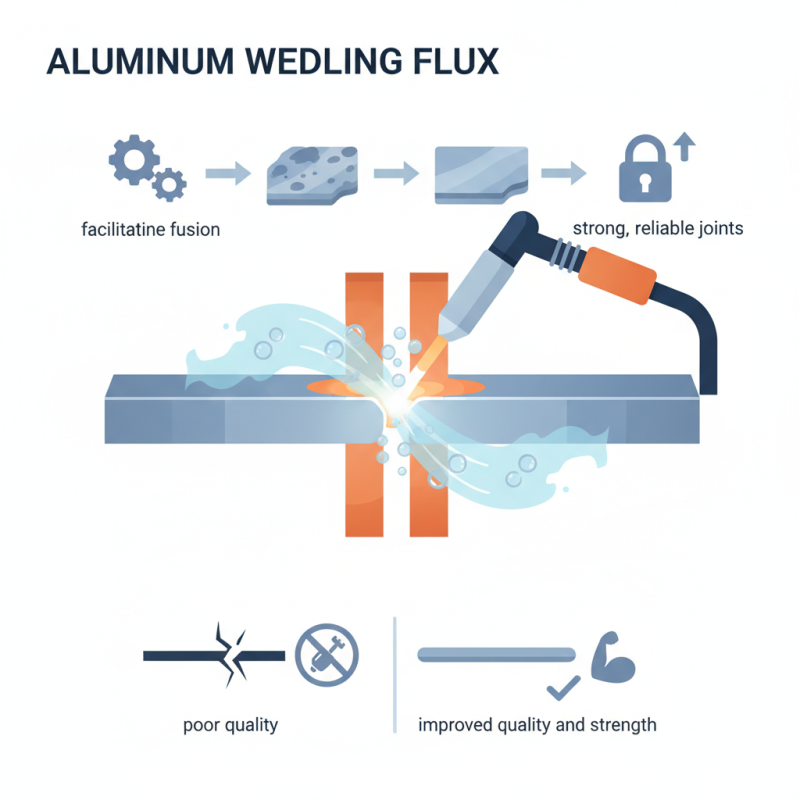
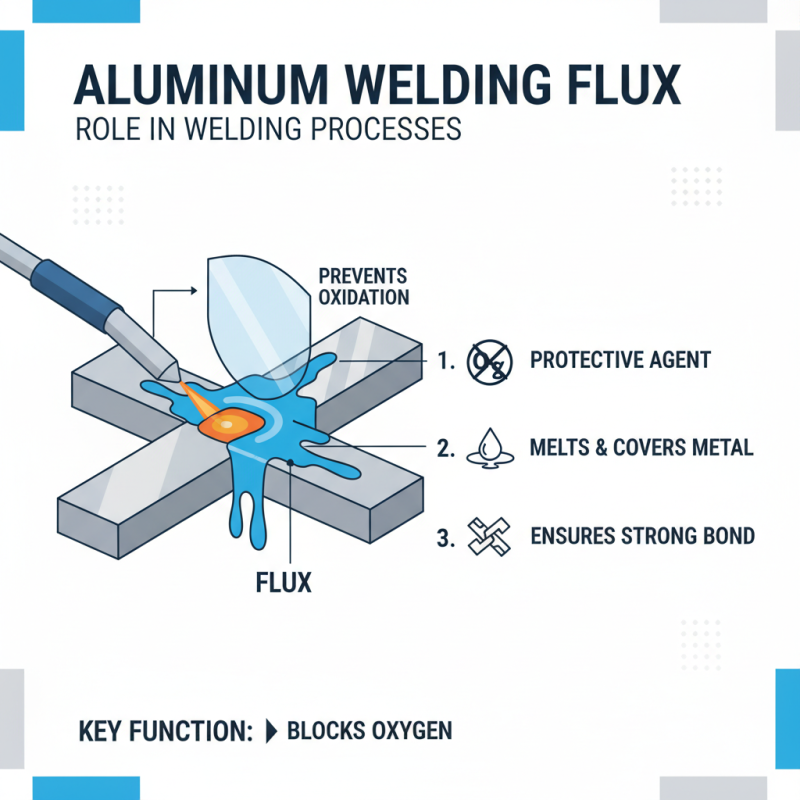
Aluminum welding flux plays a vital role in aluminum welding processes. It serves as a protective agent that helps prevent oxidation during the welding. When aluminum is exposed to air, it forms a thin oxide layer. This layer can hinder the welding process, leading to defects. Flux melts during welding and covers the molten metal. This coverage prevents oxygen from interacting with the weld, ensuring a strong bond.
The effectiveness of flux depends on its composition. Some fluxes contain specific additives that enhance their performance. These additives allow for better fluidity and improved wetting of the base material. However, not all fluxes produce the same results. Choosing the right one requires understanding the welding environment. Factors like temperature and aluminum alloy type matter.
It's crucial to apply flux judiciously. Overuse may lead to contamination. A clean surface is essential for optimal results. Proper technique during application ensures the right amount is used. Observing the molten weld's appearance can indicate if the flux application was successful. Striking the right balance keeps welds clean and strong.
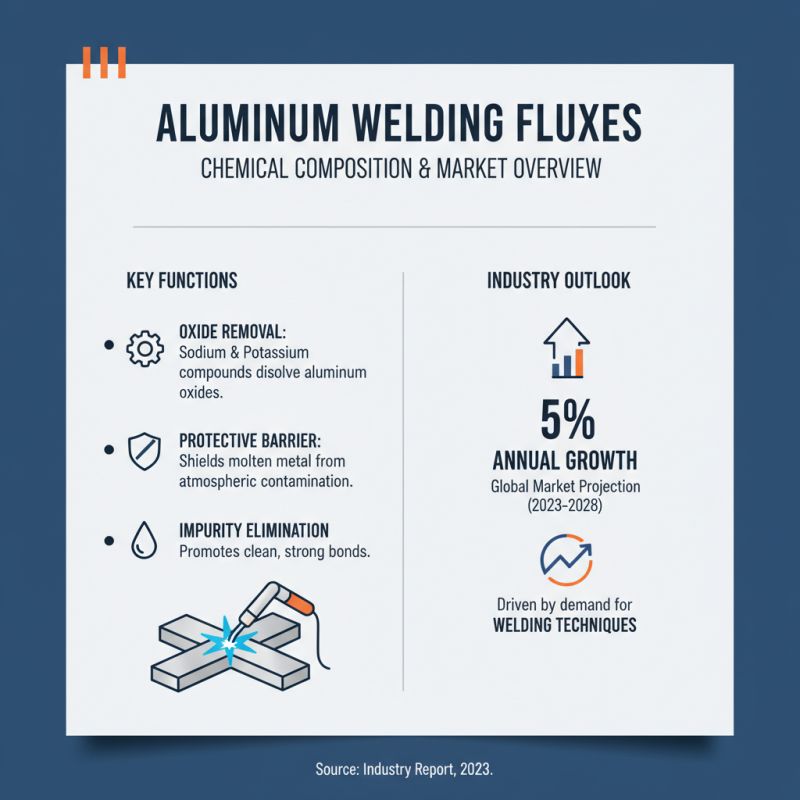
Aluminum welding fluxes play a crucial role in successful bonding and protection during the welding process. These fluxes, primarily made of various chemicals like sodium and potassium, help eliminate oxides and impurities. They create a barrier that protects molten metal from contamination and atmospheric elements. According to a recent industry report, the global aluminum welding flux market is projected to grow by approximately 5% annually from 2023 to 2028. This growth reflects a rising demand for more efficient welding techniques.
There are several types of aluminum welding fluxes, each with distinct chemical compositions. Basic fluxes, such as those containing sodium, are often used for clean aluminum surfaces. They provide effective oxide removal. More advanced types, like fluoride-based fluxes, offer enhanced performance for challenging welding situations. They can adapt to various aluminum alloys. However, some studies indicate that not all fluxes work effectively with every aluminum type. Misuse or wrong selection can lead to inferior welds.
The effectiveness of a flux is also influenced by application methods. Proper heating and timing are essential for achieving optimal results. Industry experts emphasize the importance of conducting tests on different flux combinations. These tests can help determine the ideal flux for specific applications. As the aluminum welding field evolves, so does the need for research and innovation to address existing challenges in flux performance.
Welding aluminum is a complex process. Aluminum's oxide layer makes it difficult to bond. This is where aluminum welding flux plays a crucial role. Flux is a chemical agent that helps prepare the metal surfaces. It removes oxidation and contaminants. The welding process becomes smoother with the right flux mixture.
The chemical reactions involved are fascinating. Flux often contains compounds like fluoride or chloride. When heated, these compounds break down. They release active chemicals that interact with the oxide layer. This reaction helps to destabilize and remove the oxide film. As a result, the aluminum surface is cleaner and more receptive to welding.
An important aspect to consider is the quality of the flux. Poor-quality flux can lead to weak welds. Imperfections in the welding joint can compromise structural integrity. It’s essential to choose the right flux based on the specific aluminum alloy. Understanding these chemical reactions can help improve welding outcomes and promote better practices in the industry.
Aluminum welding flux plays a crucial role in aluminum welding. Proper application techniques can significantly enhance the quality of welds. One common method is to ensure the surface is clean. Dirt and oxidation can interfere with the welding process. Cleaning the aluminum before applying the flux is vital. Use a brush or a specific cleaning agent to prepare the surface carefully.
When applying aluminum welding flux, remember the proper amount is essential. Too much flux can lead to issues like porosity or poor adhesion. It’s beneficial to work in thin layers, allowing even distribution. Heat management is also critical. The flux must reach the optimal temperature to activate effectively. Constant monitoring of the welding arc can help maintain the proper heat balance.
Sometimes, even seasoned welders encounter challenges. Inconsistent results may arise due to environmental factors. Wind or humidity can affect the performance of the flux. Personal experience teaches that patience is crucial. It takes time to refine techniques and adapt to conditions. Reflecting on past projects can provide insights for improvement.
| Dimension | Description |
|---|---|
| Type of Flux | Cationic fluxes, anionic fluxes, and neutral fluxes. |
| Function | To protect molten aluminum from oxidation during welding. |
| Application Temperature | Typically between 300°C to 600°C (572°F to 1112°F). |
| Benefits | Improves weld quality, enhances fluidity of filler material, and reduces porosity. |
| Common Industries | Aerospace, automotive, marine, and structural fabrication. |
| Proper Use Techniques | Apply flux evenly, control temperature, and avoid contamination. |
| Safety Precautions | Use in well-ventilated areas and wear appropriate protective gear. |
When it comes to aluminum welding, using the right flux is crucial. Industry standards recommend specific practices for its application. These practices ensure quality and integrity in the welding process. For instance, maintaining an appropriate temperature during welding is essential. Too high or too low can affect the flux performance. A consistent temperature promotes a smoother operation.
Another recommended practice is to use flux specific to the aluminum alloy being welded. Different alloys have unique welding characteristics. Mixing incompatible fluxes can lead to defects. It's important to follow manufacturer guidelines regarding application techniques. Many professionals advocate for pre-cleaning the aluminum surfaces to remove contaminants. This step can significantly enhance the bonding.
While these guidelines are widely accepted, challenges can arise. Not all aluminum surfaces will be equally clean or free of oxidation. Practitioners must adapt their techniques based on real-world conditions. Sometimes, an unexpected issue might require a different approach to achieve a solid weld. Continuous learning and adaptation are key in aluminum welding.