10 Best Exothermic Welding Molds for Efficient Electrical Connections?
Exothermic welding is a unique method used for creating strong electrical connections. It relies on a chemical reaction to produce intense heat, enabling the welding of metallic materials. To achieve optimal results, the right exothermic welding mold is essential. Selecting the best molds can enhance efficiency and improve connection quality.
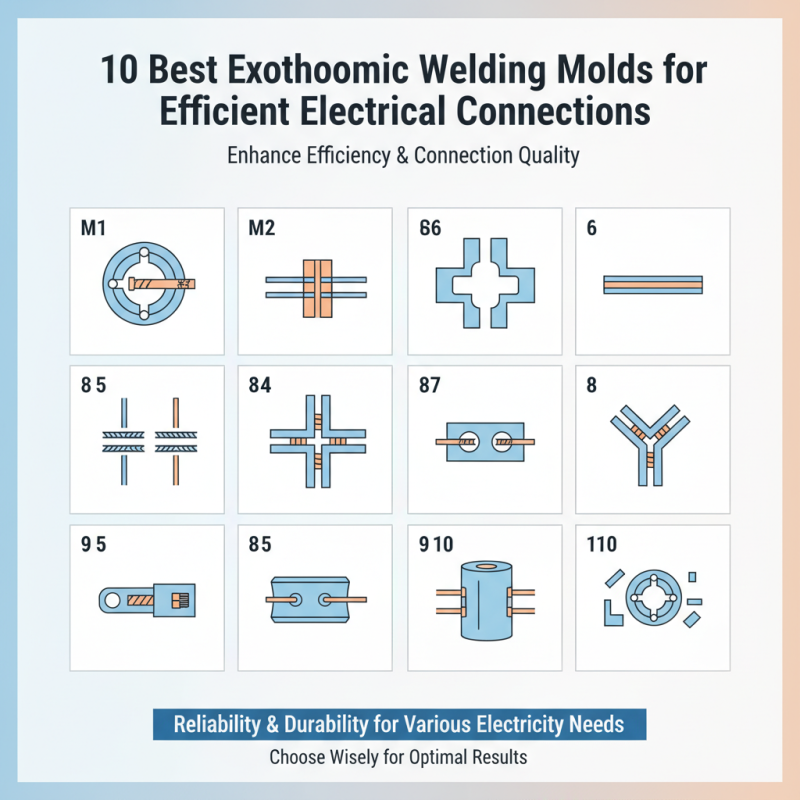
In this article, we will explore ten of the best exothermic welding molds available in the market. Each mold is designed for specific applications, emphasizing reliability and durability. These molds vary in size and configurations, making them suitable for various electricity needs.
Choosing an appropriate exothermic welding mold is crucial. A poorly chosen mold may lead to weak connections or time-consuming processes. Therefore, it's vital to assess the individual company's requirements and preferences. By understanding the advantages and limitations of different molds, users can make informed decisions for their electrical projects.
The Importance of Exothermic Welding in Electrical Connections
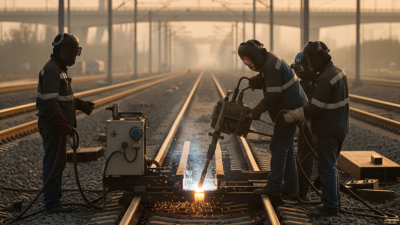
Exothermic welding plays a vital role in creating durable electrical connections. This method involves a chemical reaction that generates intense heat. The heat melts the metals being joined, forming a bond that is stronger than either metal alone. This is crucial in applications where reliability is essential, such as power distribution and telecommunications.
The simplicity of exothermic welding is appealing. The process requires minimal equipment and is portable, making it useful in diverse locations. However, achieving perfect results can be challenging. Factors like metal cleanliness and environmental conditions can affect bond quality. If the surfaces are contaminated, the weld may fail. This highlights the importance of preparation and attention to detail for successful connections.
An essential aspect to consider is safety. The exothermic reaction is intense and can be hazardous. Proper safety measures must be in place to prevent accidents. Awareness of potential risks can help mitigate them. While exothermic welding is efficient, it requires skilled personnel to maximize its advantages. Proper training can ensure that connections are not only effective but also safe and reliable.
Key Considerations for Choosing Exothermic Welding Molds
Choosing the right exothermic welding molds is crucial for creating reliable electrical connections. Optimal mold selection impacts safety, efficiency, and overall effectiveness.
When considering molds, assess the material types you'll be joining. Copper and aluminum require molds designed for their specific properties. According to industry data, using the wrong mold can lead to joint failure in up to
30% of cases. Durability matters too. Look for molds made from high-quality materials. They withstand the heat and pressure generated during welding.
Tips: Always check the temperature ratings of the molds. They should exceed the welding temperature for best results.
Mold size is another key factor. If it's too large or too small, it compromises the weld. A common mistake is assuming a one-size-fits-all approach. Custom molds may provide better outcomes.
Tips: Invest time in understanding the specifications of each mold. Time spent upfront can save costly repairs later.
Ultimately, practical experience shapes your choices. Learn from past projects. Mistakes in mold selection have real consequences. Stay informed about industry standards to refine your selection process.
Top 10 Exothermic Welding Molds Based on Efficiency and Durability
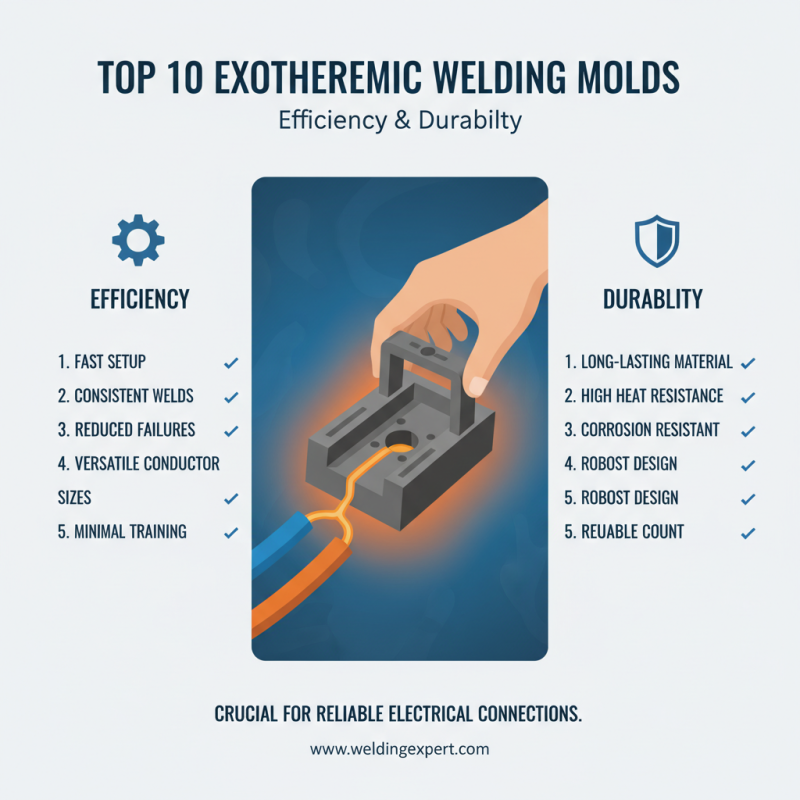
Choosing the right exothermic welding mold is crucial for creating reliable electrical connections. Efficiency and durability are key factors. A high-quality mold ensures that the weld is strong and lasts. Molds should fit well with various sizes of conductors. This prevents any gaps, which can lead to failure.
Some molds have a design that promotes even heat distribution. This helps in achieving a solid connection. However, not all molds perform equally. Some users report inconsistencies, which can be frustrating. It's essential to review user experiences before making a choice. It's also worth considering maintenance aspects, as molds can wear out over time. Regular inspection can highlight needed reparations.
Durability often correlates with the material used in mold construction. Molds made from high-grade materials can withstand repeated use. Yet, they may come at a higher cost. Balancing budget and quality is a common challenge. Each project may call for a different approach. Understanding these dynamics can lead to better decision-making.
Industry Standards and Regulations for Exothermic Welding Products
When it comes to exothermic welding, industry standards and regulations play a crucial role. These standards ensure that the products used are safe and effective. Many specific guidelines exist to address the materials, processes, and testing methods involved in exothermic welding. Compliance with these standards is vital for the integrity of electrical connections.
Manufacturers must frequently revisit these regulations to ensure compliance. The details can be complex, and overlooking any aspect might lead to significant issues. For instance, the choice of mold material directly impacts the welding process. Molds must withstand high temperatures without degrading. This is not always easy to achieve, especially under varying conditions.
Moreover, it's essential to stay updated with evolving standards. These regulations can change based on new research or technological advancements. Continuous education on these updates helps avoid mistakes. Ignoring current guidelines can lead to inefficiencies, safety hazards, and costly repairs. Reflecting on past experiences can guide future practices, ensuring better choices.
10 Best Exothermic Welding Molds for Efficient Electrical Connections
| Mold Type |
Material |
Size Range (mm) |
Weight (kg) |
Temperature Rating (°C) |
Compliance |
| Standard Mold |
Carbon Steel |
50-100 |
3.5 |
1000 |
ISO 9001 |
| Heavy Duty Mold |
Stainless Steel |
75-150 |
5.0 |
1200 |
IEC 61238-1 |
| Compact Mold |
Aluminum |
30-75 |
2.0 |
900 |
UL 486A-486B |
| Tapered Mold |
Copper |
20-60 |
1.8 |
950 |
ASTM D4951 |
| Multi-Use Mold |
Graphite |
40-90 |
4.0 |
1100 |
DIN 46395 |
| Custom Mold |
Mixed Alloy |
30-120 |
6.2 |
1050 |
NEMA 4X |
Comparative Analysis of Exothermic Welding Molds and Traditional Methods
When comparing exothermic welding molds to traditional methods, several factors emerge. Exothermic welding, often heralded for its efficiency, creates a strong bond through a chemical reaction. This reaction generates intense heat, melting the materials together. Traditional methods, like soldering or crimping, rely on mechanical fittings. Each technique has its strengths and weaknesses.
One notable advantage of exothermic welding is the durability of the connection. The molten metal fills the joint completely, creating a seamless bond. In contrast, traditional methods may leave gaps, leading to potential weak spots. However, achieving the perfect mold for exothermic welding requires precise preparation. Improper technique can result in insufficient bonding.
Cost and accessibility also play crucial roles. Exothermic welding kits can be more expensive upfront. In difficult environments, traditional fittings might be easier to deploy. However, they can require ongoing maintenance and checks. Ultimately, the choice of method should align with project needs and individual expertise. Balancing cost, ease of use, and connection durability is essential for making the right decision.