Top 5 Best Thermit Rail Welding Techniques for Efficient Rail Joining?
Thermit Rail Welding has revolutionized the rail joining process. It offers efficiency and strength in uniting rail sections. As railway networks expand globally, effective welding methods are crucial.
Many techniques exist, but not all provide the same results. Proper training is essential to ensure safety and quality. A few approaches might leave room for improvement, especially in challenging conditions. Mastering these nuances can enhance productivity and bond integrity.
This article explores the top five Thermit Rail Welding techniques. Each method presents unique advantages and potential pitfalls. Understanding these aspects can lead to better outcomes in rail construction and maintenance. A keen focus on details often makes a significant difference.
Understanding Thermit Rail Welding and Its Importance in Rail Joining
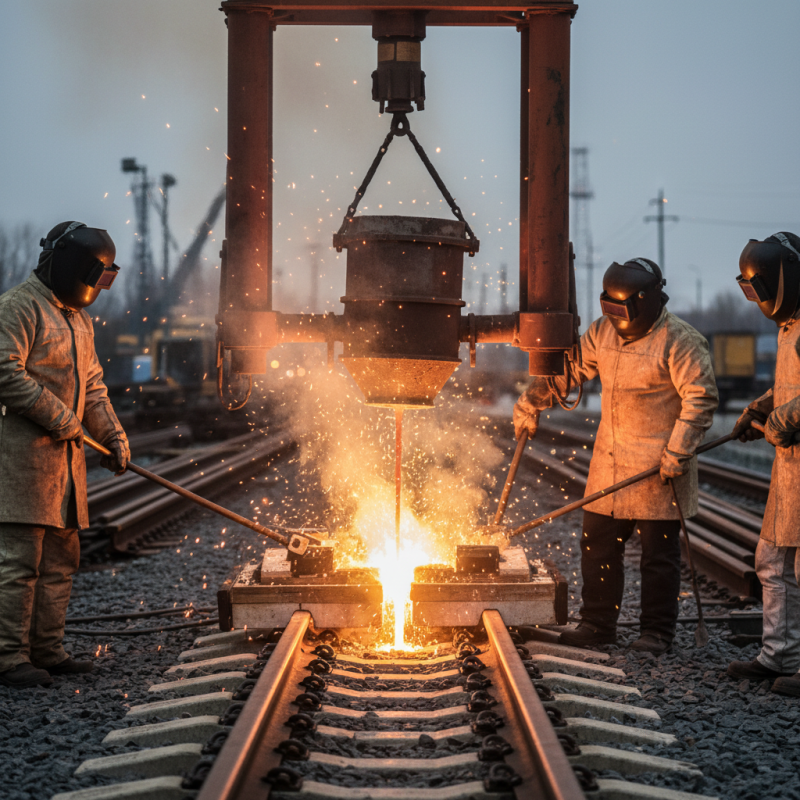
Thermit rail welding is a crucial process in rail joining. This method provides a strong bond between rail sections, essential for track stability. The intensity of the heat generated during thermit welding allows metal components to fuse perfectly. Workers must maintain safety protocols to prevent accidents during this high-temperature process.
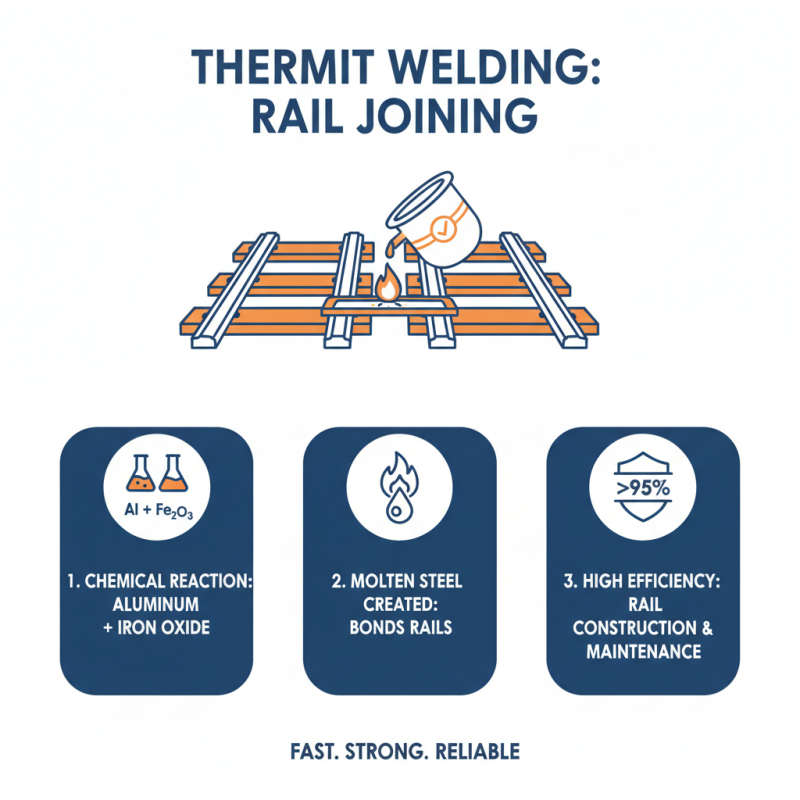
Understanding the thermit reaction is vital. This exothermic reaction utilizes aluminum powder to create molten iron. The outcome is a robust weld, but the technique is not without challenges. Improper execution can result in weak joints. Such failures lead to maintenance issues, requiring careful training for workers involved.
Attention to detail is paramount in thermit welding. Each step, from preparation to execution, demands precision. Workers often face pressure to complete tasks quickly. However, rushing compromises quality. Continuous improvement and training can enhance outcomes. Reflecting on past mistakes can guide better practices for the future.
Top 5 Best Thermit Rail Welding Techniques for Efficient Rail Joining
| Technique |
Description |
Advantages |
Disadvantages |
Best Applications |
| Basic Thermit Welding |
A traditional method where molten iron is poured to fuse rails. |
Cost-effective and reliable. |
Long cooling time. |
Standard rail joining in most environments. |
| Aluminothermic Welding |
Uses a chemical reaction between aluminum and iron oxide to create molten iron. |
High strength welds and faster process. |
Requires skilled operators. |
Heavy-duty rail applications. |
| Mobile Thermit Welding |
Portable equipment for on-site welding. |
Increased flexibility and quick response. |
May encounter environmental challenges. |
Remote rail locations. |
| High-Speed Thermit Welding |
Designed for rapid welding to minimize track downtime. |
Reduces train delays and improves efficiency. |
Higher initial cost. |
Main lines with heavy traffic. |
| Vacuum Casting Technique |
Involves casting welds in a vacuum to ensure purity. |
High-quality welds with minimal contamination. |
Requires specialized equipment. |
High-stress rail environments. |
Step-by-Step Guide to Preparing for Thermit Rail Welding
Preparing for thermit rail welding involves several critical steps. Proper preparation can significantly enhance the efficiency of the welding process. Start by examining the rail ends that need joining. Ensure they are clean and free of rust or debris. A thorough inspection can prevent mishaps later.
Next, gather all necessary equipment and materials. You will need thermite, welding molds, and safety gear. Make a checklist to ensure nothing is overlooked. Ignoring even a small item could lead to delays. Checking the weather is also essential. Rain or strong winds can affect the welding quality.
Lastly, consider practice runs. If this is your first time, practice with smaller materials. It helps to understand the process better. Identifying potential issues beforehand is crucial. Mistakes happen, and reflecting on them improves skills for future projects. Every little detail adds to a successful rail joint.
Techniques for Ensuring Quality and Safety in Thermit Welding
When it comes to Thermit rail welding, safety and quality are paramount. Proper preparation is crucial. Clean the rail ends thoroughly to remove dirt, oil, and rust. This step prevents contamination and ensures a strong bond. Ignoring this can lead to weak welds.
Tips: Always check your equipment before starting. A damaged tool can compromise the entire operation. Ensure that your protective gear is intact. Safety should never be an afterthought.
Monitoring the temperature of the molten metal is essential. Too hot or too cold can lead to defects in the weld. Use a reliable thermometer to track the temperature. Familiarize yourself with the optimal welding parameters.
Tip: Maintain a consistent welding speed. Erratic movement can result in poor quality welds. Take your time, but stay aware of the heat's effects on the rail. It’s vital to strike a balance between speed and quality.
Finally, evaluate the weld after it cools. Inspect for any cracks or deformities. Learning to identify issues takes practice. Reflection on each completed job is necessary for continuous improvement. Quality control is not just a step; it’s a mindset.
Common Challenges and Solutions in Thermit Rail Welding Operations
Thermit rail welding offers a reliable way to join rails, yet it is not without challenges. Operators often face issues like uneven rail alignment and inconsistent temperatures. These factors can lead to weak welds. Reports indicate that improper alignment contributes to nearly 30% of weld failures in the field. Even small misalignments can create lasting problems for rail durability.
To mitigate these risks, it's crucial to ensure precise alignment before welding begins. Another common challenge is controlling the heat input during the process. Too much heat can lead to burn-through, while too little can cause incomplete bonding. Experts recommend using a calibrated temperature monitoring system. This practice helps to maintain optimal conditions.
Tips: Always inspect the rail surfaces after grinding. Any residue can affect weld quality. Training operators in temperature control techniques is also invaluable. Regular evaluations of equipment can prevent unexpected failures. Engaging in reflective practice is essential. Consider past weld failures to identify areas for improvement. Continuous learning is key to mastering thermit welding.
Top 5 Best Thermit Rail Welding Techniques - Efficiency Metrics