China Top 10 Rail Thermite Welding Techniques for Efficient Construction?
Rail Thermite Welding has emerged as a critical technique in railway construction. This method uses a chemical reaction to join rails efficiently. According to a report by the International Union of Railways, the global demand for rail infrastructure is increasing by 5% annually. This growth emphasizes the importance of efficient construction methods.
In China, the application of Rail Thermite Welding shows promising results. Industries report a reduction in the time required for rail joints. Faster construction means lower project costs and minimized disruption to rail services. However, some challenges persist. The welding process requires precise control of temperature and materials. Even slight deviations can lead to weak joints.
Adopting Rail Thermite Welding presents opportunities and obstacles. While this method boosts efficiency, training and safety protocols are crucial. A review by the Rail Safety and Standards Board indicates that improper training can lead to accidents. Thus, addressing these issues is essential for the future of railway construction in China.
Overview of Rail Thermite Welding Techniques in China
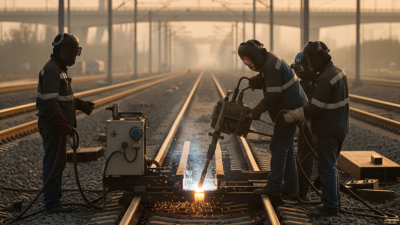
Rail thermite welding is crucial for maintaining the efficiency and safety of rail systems in China. This technique uses a chemical reaction to join rail tracks. It creates strong, durable welds that can withstand heavy loads. The process is favored for its speed and effectiveness, as it reduces downtime during construction.
In China, several practices enhance rail thermite welding. Operators are trained in precision welding techniques that ensure consistent quality. However, challenges remain. Environmental factors can affect weld integrity. Sometimes, inexperienced operators lead to subpar results. Continuous training and improvement are essential to overcome these issues and optimize welding performance. Proper equipment setup is key, but factors like weather can complicate operations.
Innovative technologies are emerging in this field. Automation and real-time monitoring can help improve accuracy. These advancements could minimize human error and enhance weld quality. Each project brings unique challenges. Reflecting on previous projects can provide valuable insights for future improvements, ensuring that rail construction remains efficient and reliable.
China Top 10 Rail Thermite Welding Techniques for Efficient Construction
The Science Behind Thermite Welding in Railway Construction
Thermite welding is a powerful method widely used in railway construction. The process involves a chemical reaction that produces molten iron. This iron fuses two rail sections seamlessly, ensuring durability and safety. Understanding the science behind this technique helps improve efficiency in rail construction projects.
Safety is crucial when implementing thermite welding. It requires trained personnel to handle the high temperatures involved. Protective equipment is necessary. Each welding location should have clear safety protocols.
Tips: Ensure all team members are familiar with the thermite welding process. Regular training can enhance skills and promote safety. Monitor weather conditions to avoid welding in extreme temperatures. Also, maintain a clean workspace to prevent accidents. Effective communication within the team can prevent misunderstandings during the process.
Using thermite welding can reduce downtime in railway projects. However, it requires proper planning and execution to yield the best results. Miscommunication and poor preparation can lead to setbacks. Learning from past experiences is essential for improvement. Adaptations based on specific site conditions can further enhance efficiency.
Key Advantages of Thermite Welding for Rail Infrastructure
Thermite welding is gaining traction in rail infrastructure. This technique offers several distinct advantages that enhance construction efficiency. First, it creates strong, durable joints between rails. The welding process involves an exothermic reaction, generating high temperatures that melt the rail ends. This results in seamless connections that withstand heavy loads.
Another key benefit is its speed. Thermite welding can be completed in a matter of minutes, reducing downtime during rail construction and maintenance. This rapid process saves time and resources, crucial for large projects. Furthermore, it operates effectively in adverse weather conditions, making it reliable year-round.
However, thermite welding isn't without challenges. Skill and expertise are required for proper execution. If not done correctly, the quality of the weld may suffer. Training operators is essential for achieving optimal results. Continuous refinement and evaluation of techniques will ensure that projects benefit from the full potential of thermite welding.
China Top 10 Rail Thermite Welding Techniques for Efficient Construction
| Technique |
Key Advantages |
Typical Applications |
Heat Input (°C) |
Welding Speed (m/min) |
| Exothermic Welding |
High strength, cost-effective |
Rail joints |
3300 |
0.4 |
| Pre-Heat Process |
Reduces cracking and improves ductility |
Heavy rail welding |
1200 |
0.3 |
| Trolley Arc Method |
Versatile, suitable for all rail types |
Switches and crossovers |
2000 |
0.5 |
| Alumino-Thermic Welding |
Environmentally friendly, no additional materials needed |
Light rail systems |
2500 |
0.6 |
| Underground Rail Welding |
Safe for enclosed spaces |
Subway installations |
2600 |
0.4 |
| Automated Thermite Welding |
High precision, reduced manual labor |
Freight rail repairs |
2900 |
0.7 |
| Direct Flame Method |
Quick application, minimal preparation |
Temporary repairs |
1800 |
0.8 |
| Locomotive Welding |
Durable joints for heavy loads |
Locomotive assembly |
3200 |
0.5 |
| Portable Welding Equipment |
Flexibility in remote locations |
Track maintenance |
2400 |
0.6 |
| Rapid Response Welding |
Quick fixes during emergencies |
Accident repairs |
3000 |
1.0 |
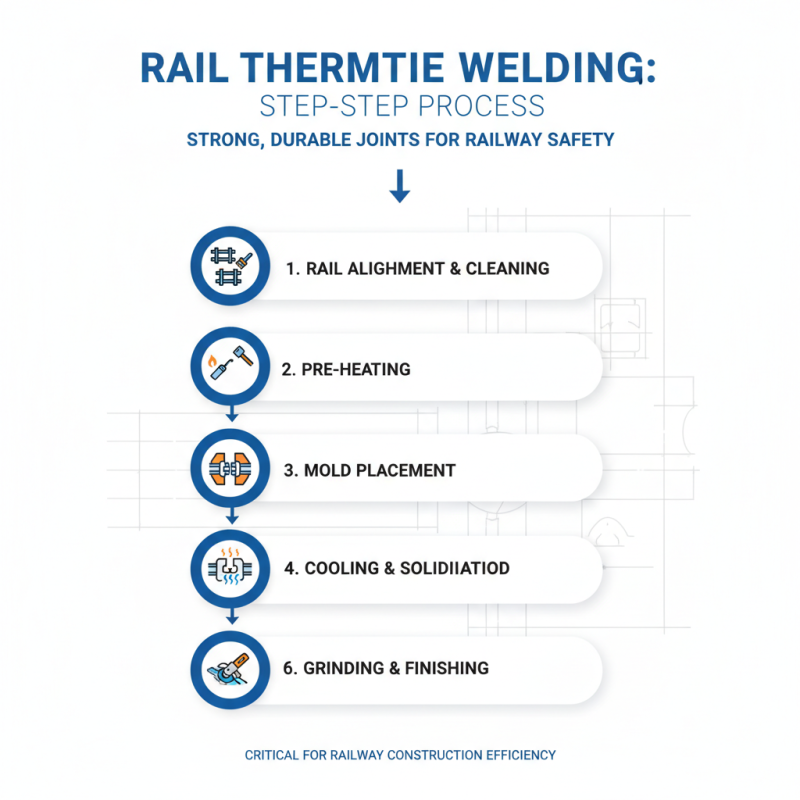
Step-by-Step Process of Rail Thermite Welding
Rail thermite welding is a critical process in railway construction. It provides strong, durable joints needed for safety and longevity. Understanding its step-by-step procedure can greatly enhance construction efficiency.
The process begins with precise surface preparation. Both rail ends must be cleaned and aligned correctly. Any impurities can weaken the weld. Next, a thermite reaction is initiated by igniting the mixture. This generates molten iron, which flows into the mold around the joint. The temperature can exceed 2000°C, ensuring a strong bond when solidified.
Post-welding, proper cooling is essential. This phase often receives less attention but is crucial. If cooled too quickly, cracks may develop. Finally, inspection ensures the weld meets safety standards. Any imperfections found should prompt a reassessment of the technique used. Regular training and adherence to safety guidelines further enhance reliability. Even minor mistakes can lead to significant issues. Thus, continuous reflection on the process can improve outcomes in future projects.
Future Innovations in Rail Thermite Welding Technology
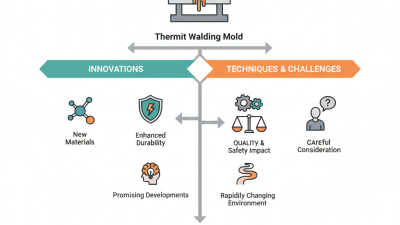
Rail thermite welding is a crucial process in railway construction. Innovations are emerging rapidly. Future advancements are essential for improving efficiency and safety. New techniques promise to minimize disruption during operations.
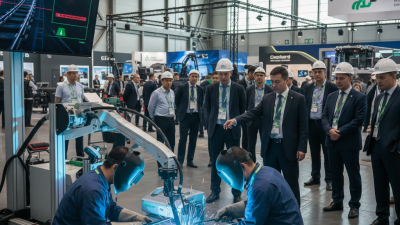
One promising area is the automation of thermite welding processes. Automated systems can reduce human error and enhance precision. These systems may employ advanced sensors for real-time monitoring. This monitoring can help in ensuring the quality of welds. Adopting such technology can lead to faster project timelines.
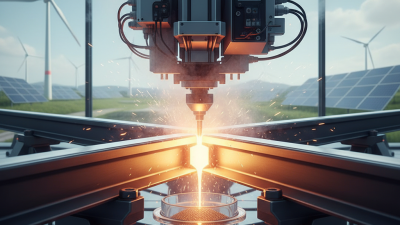
Another innovation focuses on eco-friendly materials. Researchers are exploring alternatives to traditional thermite compounds. These new materials aim to reduce emissions during the welding process. The potential use of biodegradable options could make railway construction greener. While these advancements present exciting possibilities, challenges remain. Cost implications and material availability are concerns that need addressing. The future of rail thermite welding lies in balancing innovation with practicality.