How to Choose the Right Aluminum Welding Flux for Your Projects?
Choosing the right Aluminum Welding Flux is crucial for successful welding projects. The right flux improves the quality of the welds. It can enhance the bonding of aluminum surfaces. When selecting flux, consider the specific application and materials used.
Different projects may require different types of flux. For instance, some fluxes work better for thin materials, while others suit thicker sections. Ensure the flux matches the aluminum alloy. Mixing incompatible flux and alloy may lead to weld defects. You might find some products overpriced, and they don’t always deliver the promised results.
Researching and comparing options is vital. Read reviews and consult experienced welders. Sometimes, the cheapest option is not the best. Understanding the unique needs of your project can lead to better outcomes. Every welding project presents its challenges; don’t overlook the details. Finding the right Aluminum Welding Flux can feel overwhelming, but careful consideration pays off.

Understanding Aluminum Welding Flux: Types and Functions
When it comes to aluminum welding, the choice of flux is critical. Various types of aluminum welding flux exist, each with specific functions and applications. The two primary categories are neutral fluxes and reactive fluxes. Neutral fluxes are non-corrosive and protect the weld area from oxidation. They are ideal for high-quality welds. Reactive fluxes, on the other hand, help in removing oxides and impurities. They are useful in scenarios where aluminum surfaces are less than pristine.
A study from the American Welding Society revealed that improper flux can lead to inconsistent weld quality. Nearly 30% of weld failures were linked to inadequate flux usage. It's not just about placing the right amount; the visual inspection of the flux can also reveal much. A good flux typically has a clear appearance, while impurities can lead to dull and uneven welds. This is a significant factor often overlooked in project prep.
The choice is not straightforward. Factors such as base material cleanliness, welding method, and environmental conditions come into play. Always test different flux types to determine the best fit for specific projects. This process will save both time and resources in the long run. Continual reflection on past results will enhance future welding projects.
Factors to Consider When Choosing Welding Flux for Aluminum
When selecting welding flux for aluminum, several factors come into play. One critical aspect is the composition of the flux. Different alloys require specific flux types to achieve optimal bonding. According to industry data, using the correct flux can enhance weld strength by up to 20%. This is vital, especially for projects demanding high durability.
Another consideration is the melting point. A flux with a lower melting point may help in faster welding. However, it could compromise the joint's quality if it reacts improperly with the aluminum. Always consult welding specifications and industry guidelines to find the balance between efficiency and quality.
Tip: Test different flux types on scrap aluminum before committing to your project. This testing helps identify the best match for your specific materials.
Environmental factors should not be overlooked. Humidity and temperature impact the welding environment. For instance, using some fluxes in high humidity can lead to moisture absorption. This can weaken the weld.
Tip: Always store welding flux in a dry area. This ensures its effectiveness when you need it.
Ultimately, careful thought must accompany your decision-making. The right welding flux can define the success of your project. Explore, test, and adjust your choices to find what truly works.
Comparing Popular Aluminum Welding Fluxes on the Market
When choosing aluminum welding flux, it's crucial to compare the various options available in the market. A recent industry report highlighted that nearly 70% of professionals prefer using specialized fluxes over generic ones. These specialized products often enhance the welding process by reducing oxidation and improving metal flow. Popular fluxes often contain unique formulations tailored for different aluminum grades, which can significantly affect the weld quality.
Consider factors like melting point and application technique. Some fluxes are designed for TIG welding, while others work best with MIG processes. This specificity can make a profound difference in the final strength of the weld. A study indicated that using the appropriate flux can increase consistency in weld penetration by up to 40%.
Tips: Always test a small quantity first. This lets you observe how the flux behaves with your materials. A mismatch can lead to weak joints and unnecessary rework. Additionally, keep an eye on the flux residue. Excessive buildup can cause future complications, affecting joint integrity. Choose wisely and don't hesitate to seek advice from experienced welders in your field.
Safety Precautions When Using Aluminum Welding Flux
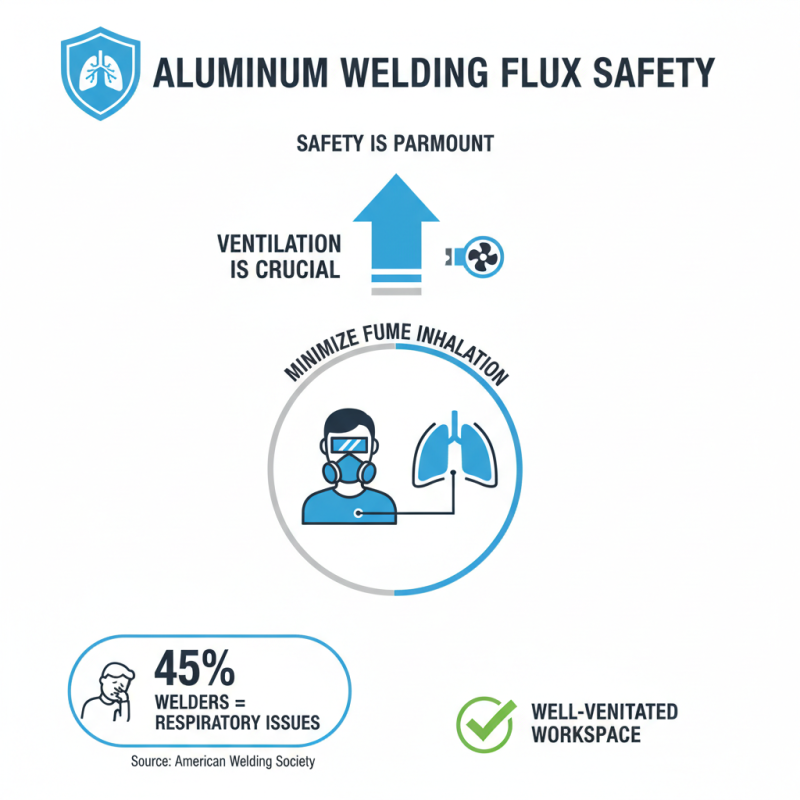
When working with aluminum welding flux, safety is paramount. Exposure to fumes can occur during the welding process. According to the American Welding Society, about 45% of welders report respiratory issues. Adequate ventilation is crucial. Ensure your workspace is well-ventilated to minimize inhalation of harmful substances.
Protective gear is also non-negotiable. Wear goggles, gloves, and heavy-duty aprons. The National Institute for Occupational Safety and Health advises using respirators when necessary. Not all fumes are visible. Even low-level exposure can lead to chronic health problems. Additionally, inspect your equipment regularly to prevent leaks and spills.
Be aware of the materials used in flux. Some fluxes contain harmful chemicals. Read the safety data sheets (SDS) for your specific flux. They provide insights into handling risks. Use them effectively to avoid accidents and injuries. By taking these precautions, you create a safer environment. Making small adjustments can lead to significant improvements in overall safety.
Tips for Proper Application of Aluminum Welding Flux in Projects
Choosing the right aluminum welding flux is essential for quality projects. Proper application can greatly enhance your results. Industry reports suggest that improper flux selection leads to defects in over 30% of aluminum welds. This can compromise strength and integrity.
When applying aluminum welding flux, preparation is crucial. Clean the surface thoroughly. Dust and oil can affect adherence. A study found that surfaces with contaminants show a 25% lower bonding rate. Apply flux evenly. Too much can cause waste, while too little may lead to weak spots.
Watch the temperature closely. Excessive heat can burn the flux. This affects performance and can ruin your work. Proper cooling periods are necessary. Many experienced welders recommend waiting at least 15 minutes after application before welding. Test different techniques. Adjust your method based on your immediate results. Reflecting on these aspects can help improve future projects.
How to Choose the Right Aluminum Welding Flux for Your Projects?
| Flux Type |
Application Temperature (°C) |
Recommended Base Metals |
Key Features |
Common Uses |
| Rodding Flux |
400-550 |
Aluminum Alloys 4045, 4047 |
High fluidity, low residue |
Automotive parts, piping |
| Wire Flux |
350-500 |
Aluminum 6061, 7075 |
Lower melting point, easy to apply |
Aerospace components, frameworks |
| Acid Flux |
300-450 |
Aluminum 6063, 3003 |
Excellent for cleaning, capable of removing oxides |
Containers, decorative items |
| Neutral Flux |
350-480 |
Aluminum 1100, 5356 |
Resistant to contamination, versatile |
Marine applications, food and beverage industry |