How to Choose the Best Rail Welding Techniques for Your Project?
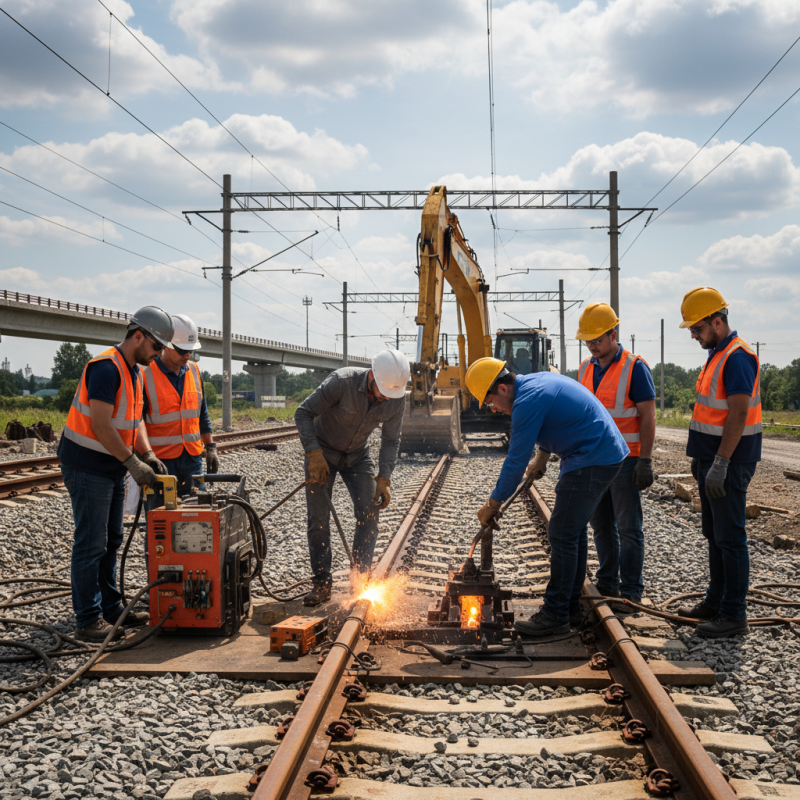
When it comes to rail welding, selecting the appropriate technique is crucial. Each project has unique demands that directly impact efficiency and safety. Understanding the various rail welding methods is essential for achieving durable connections.
Different techniques, such as flash butt welding and thermite welding, offer distinct advantages. The choice depends on factors like material type, project scope, and environmental conditions. For instance, thermal welding might excel in challenging environments, yet it requires meticulous planning.
Mistakes can be costly. A poor choice in welding technique may lead to structural failures. It is vital to weigh options carefully. Engaging with experts or reviewing case studies can provide valuable insights. Efficient rail welding not only enhances safety but ensures longevity. The right technique fosters both reliability and project success.
Understanding the Importance of Rail Welding in Construction Projects
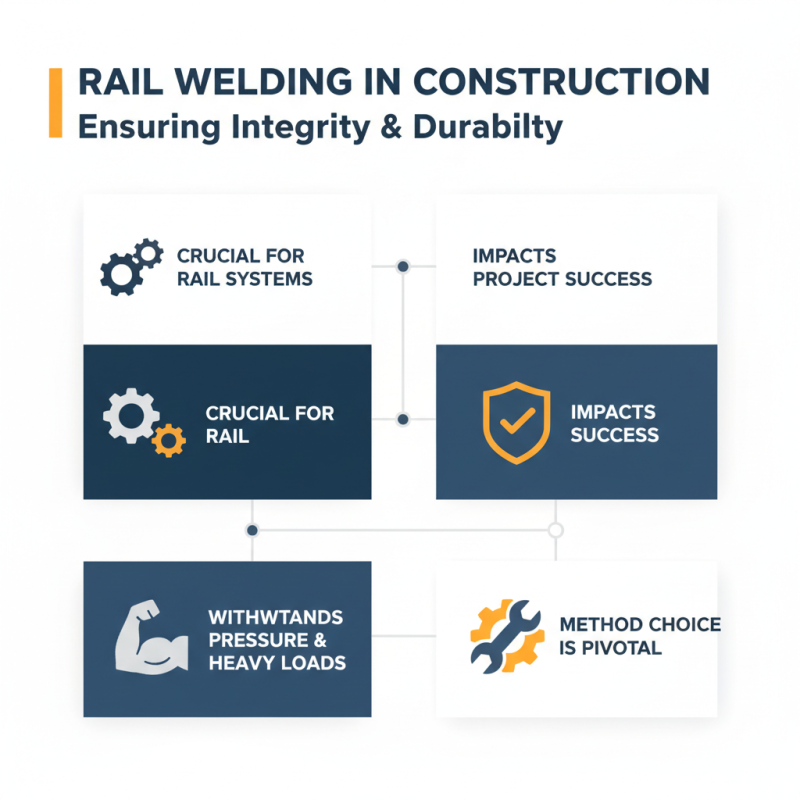
Rail welding is crucial in the construction industry. It ensures the integrity and durability of rail systems. Proper welding techniques can greatly impact project success. A strong weld can withstand immense pressure and heavy loads. This makes the choice of welding method pivotal.
Different techniques exist, each with unique benefits. Some methods are more suited for specific rail materials. Others excel in various environmental conditions. Understanding these nuances is essential for engineers and project managers. Mistakes in this selection can lead to serious structural issues. Over time, weak welds can cause safety hazards and costly repairs.
Attention to detail during the welding process is vital. Even a small error can compromise the entire structure. Continuous training and updating skills are necessary for welders. Regular inspections should be part of the maintenance routine. Reflecting on past projects can reveal areas for improvement in techniques and approaches. With rail welding, every detail counts in achieving longevity and safety.
Different Rail Welding Techniques: An Overview of Options Available
When selecting rail welding techniques, understanding the options is crucial. Each technique has distinctive advantages and limitations. The main methods include arc welding, resistance welding, and thermite welding.
Arc welding is widely used due to its versatility. It provides strong joints and is suitable for various rail types. According to industry data, arc welding accounts for nearly 60% of rail welding applications. This method requires skilled operators to achieve consistent results.
Resistance welding is known for its speed and efficiency. It uses electric current to join metals rapidly. However, its effectiveness can vary with different rail materials. Some professionals note that improper settings can lead to weak joints.
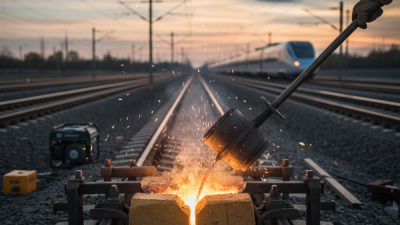
Thermite welding creates a powerful bond, ideal for heavy-duty rail construction. Yet, it can be more challenging to control. Precise temperature management is necessary.
Tips: Before choosing a method, assess your project's specific needs. Consider factors like rail size and environmental conditions. Always prioritize safety measures for all welding procedures. Keep in mind that not every technique suits every scenario. Evaluate your team’s skillset as well.
Ultimately, the choice of rail welding technique should align with project requirements, ensuring durability and safety. Stay informed and continuously review the latest industry reports for updates on best practices.
Factors to Consider When Selecting Rail Welding Methods for Your Needs
When selecting rail welding methods, several factors warrant attention. One key aspect is the type of rails being used. Different steel grades require specific welding techniques. According to the Rail Safety and Standards Board, the choice of welding method can affect the rail's performance and longevity. An unsuitable technique may lead to reduced structural integrity and higher maintenance costs.
Another important factor is the environment in which welding takes place. Outdoor weather conditions can influence the selection of welding processes. For instance, operations in humid or cold environments may necessitate specialized equipment to ensure quality results. Additionally, the logistics of the job site can impact equipment choices. Projects in remote areas may require portable welding solutions.
**Tip:** Always consult with an experienced welding engineer to determine the best technique for your specific rails and location. Their expertise can prevent costly mistakes. Regular training on new welding technologies can also enhance the skill set of your team, leading to better project outcomes.
Every welding technique has limitations. For example, while flash butt welding is efficient, it may not be suitable for all rail profiles. Understanding these nuances is crucial. Prioritize methods backed by solid research. Referring to historical performance data can guide your decision.
How to Choose the Best Rail Welding Techniques for Your Project? - Factors to Consider When Selecting Rail Welding Methods for Your Needs
| Welding Technique |
Advantages |
Disadvantages |
Best Applications |
| Arc Welding |
High speed, versatile |
Requires skill, generates heat |
Rail fabrication, heavy repairs |
| Resistance Welding |
Quick, low distortion |
Limited to thin materials |
Joining thin rail sections |
| Laser Welding |
High precision, minimal heat |
Costly equipment, requires clean surfaces |
High-quality rail joints |
| Friction Welding |
Strong joints, no filler material |
Limited to specific materials |
Joining dissimilar materials |
| TIG Welding |
Excellent control, clean welds |
Slower, requires more skill |
Precision rail work, thin materials |
Evaluating the Cost and Efficiency of Various Rail Welding Techniques
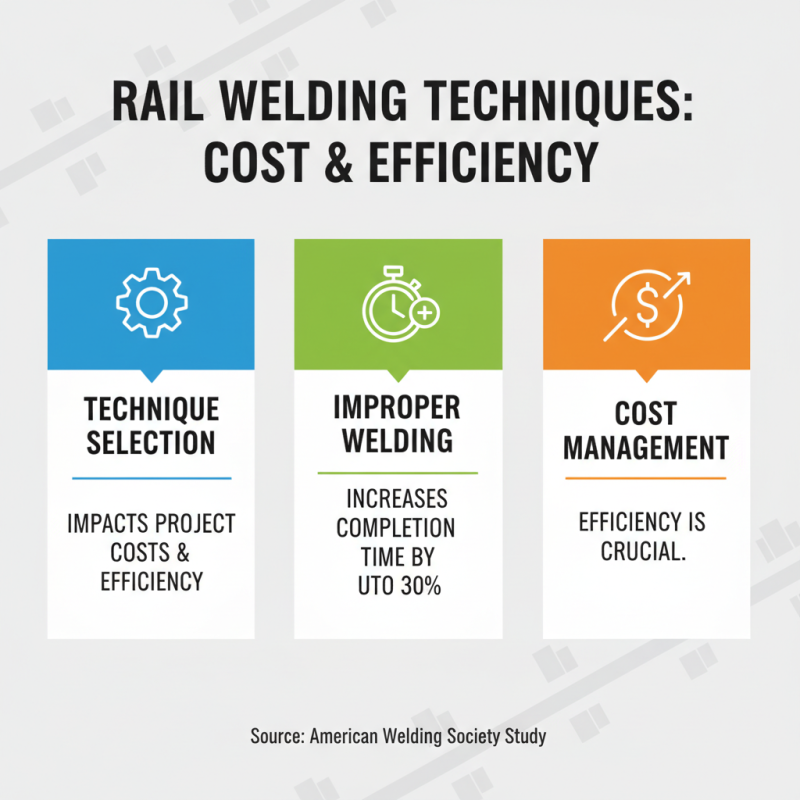
Choosing the right rail welding technique can significantly impact project costs and efficiency. A recent study by the American Welding Society revealed that improper welding methods can increase completion times by up to 30%. Cost management is crucial, so understanding each technique's efficiency is essential.
Gas Tungsten Arc Welding (GTAW) is often praised for its precision. However, it can be 20% more costly than other methods. For large-scale projects, this gap can lead to substantial budget overruns. On the other hand, Shielded Metal Arc Welding (SMAW) tends to be more affordable, but it may take longer to complete the work. Assessing trade-offs between cost and time is vital.
Tip: Always consider the specific requirements of your rail project. Evaluate the materials involved as well. Certain metals may react poorly to some welding techniques. Research past project reports for insights on effectiveness. It’s common to overlook training needs; skilled welders can improve both efficiency and quality.
Efficiency is not always linear. A faster technique may not always mean cost savings. Consider the long-term implications, as poor quality can lead to higher maintenance costs. Balancing immediate needs with future demands can enhance overall effectiveness.
Safety Protocols and Best Practices in Rail Welding Operations
Rail welding operations demand strict adherence to safety protocols. The environment can be hazardous due to high temperatures, fumes, and heavy equipment. Safety gear such as welding helmets, gloves, and protective clothing is essential. It’s not just about personal protection; proper ventilation can significantly reduce the risk of inhaling harmful fumes. Regular breaks while welding help keep fatigue at bay, which can be a major safety concern.
Moreover, continuous training for all personnel is vital. Workers should stay updated on the latest safety techniques. Many may overlook the importance of maintaining equipment, but this oversight can lead to accidents. Inspecting welding machines and understanding their functioning can prevent mishaps. Clear communication among team members is necessary. Misunderstandings during welding can have dire consequences. Reflection on past projects can also aid in recognizing common risks and improving safety measures. Even seasoned welders need reminders about safety practices.