How to Choose the Right Rail Equipment for Your Needs?
Selecting the right rail equipment is crucial for operational efficiency. According to a recent industry report by the International Rail Equipment Association, effective rail operations can improve overall productivity by up to 25%. In this competitive market, understanding your specific needs is essential. Poor choices might lead to increased maintenance costs and delays.
Rail equipment varies widely, from freight cars to specialized maintenance machines. Each type serves distinct functions. For instance, a report by the American Railway Engineering and Maintenance-of-Way Association indicated that using the correct equipment increased track maintenance efficiency by 30%. With such data, it becomes clear that a well-informed selection can greatly impact performance.
However, choosing the right rail equipment is not straightforward. Budget constraints and varying operational scopes can complicate decisions. Often, companies struggle to balance cost and quality. Reflecting on the long-term benefits versus short-term costs is vital for making educated choices. Taking the time to analyze options will ultimately lead to smarter investments in rail equipment.
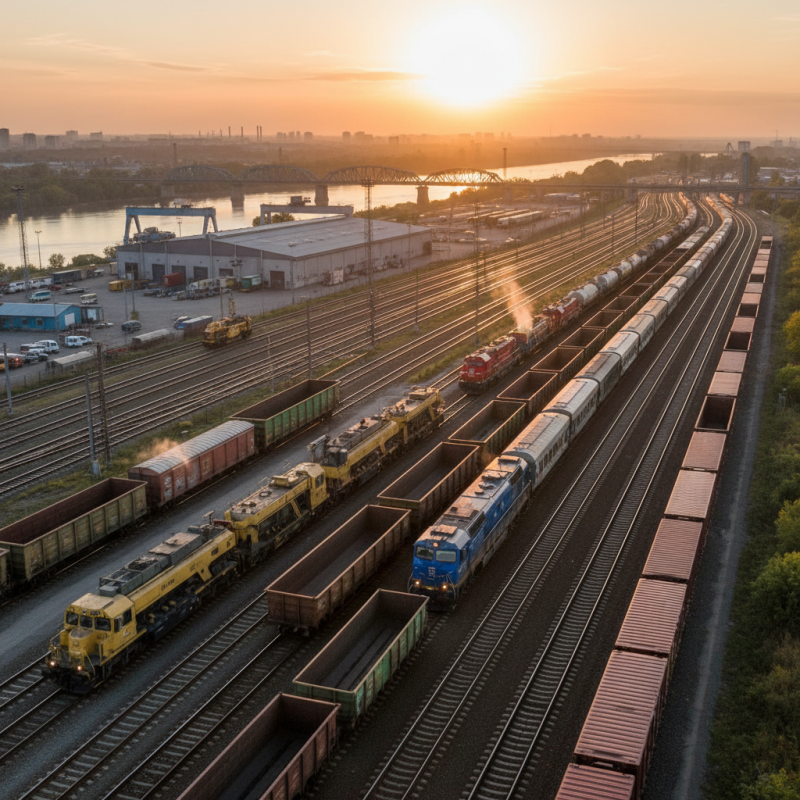
Understanding Different Types of Rail Equipment Available
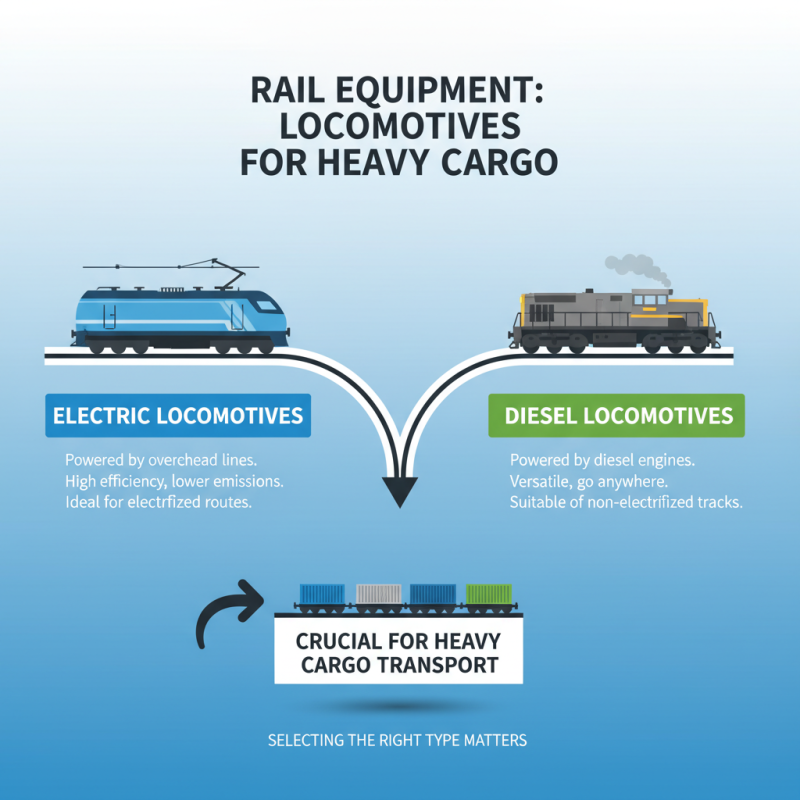
When selecting rail equipment, understanding the various types available is crucial. There are several essential categories. Each serves specific operational needs. For instance, locomotives are pivotal for heavy cargo transport. They come in electric and diesel versions. Each type has its advantages and drawbacks.
Freight cars are another critical category. They vary significantly in design. Flat cars are ideal for transporting large items, while boxcars protect goods from weather elements. Tank cars are built for liquids. Their structural integrity is essential for safety.
Beyond the main types, rail maintenance equipment deserves consideration. Rail grinders and track inspection cars ensure safety and efficiency. This equipment often requires specialized operators. Many overlook the importance of selecting the right accessories. Each piece plays a role in maximizing productivity and safety. Before purchasing, evaluate your specific needs carefully.
Assessing Your Operational Requirements and Environment
When selecting rail equipment, understanding your operational requirements is essential. Factors such as load capacity, track type, and frequency of use significantly influence your choice. A recent industry report indicated that 45% of rail accidents are related to equipment failure due to improper selection based on operational needs. Tailoring your choices can greatly reduce such incidents.
Consider the environment where the equipment will operate. Harsh weather, terrain conditions, and the presence of contaminants can affect equipment performance. For example, rail systems in cold climates must handle extreme temperatures, which can impact material durability. Collecting data on past performance in similar environments will aid in making informed choices.
Tips: Always assess the lifespan of equipment. Investing in high-quality materials can save on maintenance costs down the line. Additionally, keep in mind that customization may be necessary to meet specific operational goals. It's often beneficial to consult industry experts or engineers who can provide insights into your functional requirements. Reflecting on previous experiences can illuminate the choices that led to unexpected issues, guiding better decisions in future procurements.
Evaluating Performance Features and Specifications
When selecting the right rail equipment, it’s crucial to evaluate performance features and specifications tailored to your needs. Look for equipment that suits your operational environment. Consider factors like weight capacity, speed, and durability. Each project requires unique specifications, so customize your choice based on real requirements.
Tip: Assess the terrain where the equipment will operate. Uneven ground may require more robust systems. Pay attention to performance metrics to ensure efficiency. A detailed comparison may reveal gaps in specifications that could affect your operations significantly.
You should also think about maintenance requirements. Some equipment demands more upkeep than others. Higher maintenance costs can sneak into your budget. Select equipment that offers balance between performance and ease of use.
Tip: Create a checklist of key features. This can clarify priorities. If necessary, revisit your choices based on feedback from operators. Their experience can highlight overlooked aspects. Understanding their insights can improve decision quality.
Performance Features of Rail Equipment
Considering Budget Constraints and Cost-Effectiveness
Choosing rail equipment involves careful consideration. Budget constraints can greatly impact your decision. It's essential to weigh the initial costs against long-term savings. First, determine your specific needs. Are you focusing on efficiency, maintenance, or durability? Each factor influences your budget and equipment choice.
Consider these tips:
1. Research Options: Look at different equipment types. Compare specifications and prices.
2. Evaluate Total Cost: Consider not just purchase price but also maintenance and operational costs.
3. Get Feedback: Talk to existing users. Learning from their experiences can save you money.
Sometimes, it feels overwhelming. Budget limits can lead to compromises. You might find cheaper options that seem appealing. However, those choices may result in higher expenses later. Always think critically about quality versus cost.
Choosing the right rail equipment is a balancing act. Reflect on what you truly need versus wants. It’s better to invest in reliable equipment than to save money upfront and face bigger issues later.
Researching Manufacturer Reputation and After-Sales Support
When selecting rail equipment, researching manufacturer reputation is crucial. A solid reputation indicates reliability. Look for companies with a proven history. Check online reviews and customer testimonials. This can provide valuable insights into their products and services. Pay attention to feedback about equipment performance and durability.
Tips: Ask for references. Interview past customers. This can reveal hidden issues. A reputable company should gladly share their successes.
After-sales support is equally important. Equipment can malfunction or need adjustments. Manufacturers should offer clear channels for support. Ensure they have a responsive team. Contact them with questions during your research. Their promptness can reflect their commitment.
Tips: Evaluate the warranty and service agreements. Understand what is covered and for how long. This clarity can save future frustration. A company that stands behind its products will provide reassurance.