10 Essential Tips for Using Thermite Welding Powder Effectively?
Thermite Welding Powder is gaining attention in various industries for its unique properties. Dr. Emily Hart, a leading expert in welding technologies, once stated, "Thermite offers unmatched strength and versatility." This highlights its importance in modern welding applications.
Effective use of Thermite Welding Powder requires understanding its composition and application techniques. Proper handling is crucial; mistakes can lead to inadequate results. Many users overlook the need for safety precautions when working with this powerful material.
Additionally, achieving the desired weld quality demands precision. Users must consider factors like temperature control and material compatibility. Neglecting these details can result in weaker joints. Reflecting on experiences in the field can offer valuable insights for improvement. Adopting best practices can enhance results significantly.
Understanding Thermite Welding: Overview of the Chemical Reaction
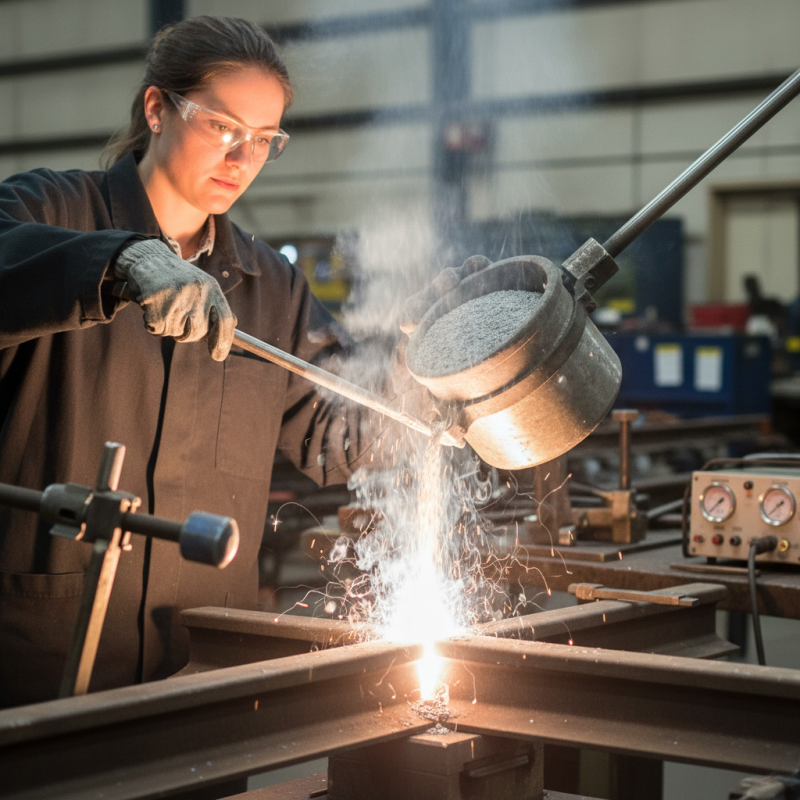
Thermite welding is a fascinating process that involves a chemical reaction between aluminum and metal oxides, usually iron oxide. This reaction generates extreme heat, enough to melt metals. A significant advantage of thermite welding is its ability to create strong joints. According to industry reports, this method can achieve tensile strengths exceeding 60,000 psi. Such strength is crucial for ensuring the durability of construction and railway applications.
When using thermite welding powder, precision is key. Always ensure proper mixing ratios. An incorrect ratio can lead to inconsistent welds. Utilize a well-ventilated area during the process. Fumes released can be hazardous if inhaled. Maintain a safe distance from the reaction site to avoid injury from molten metal splatter.
Another essential tip is to control the cooling rate. Slow cooling promotes crystalline formation, enhancing weld integrity. New users often overlook this detail, leading to unexpected failures. Additionally, ensure all surfaces are clean and free from contaminants. Dirt or rust can weaken the bond created during welding. A small oversight can lead to significant issues down the road.
Key Safety Protocols When Handling Thermite Welding Powder
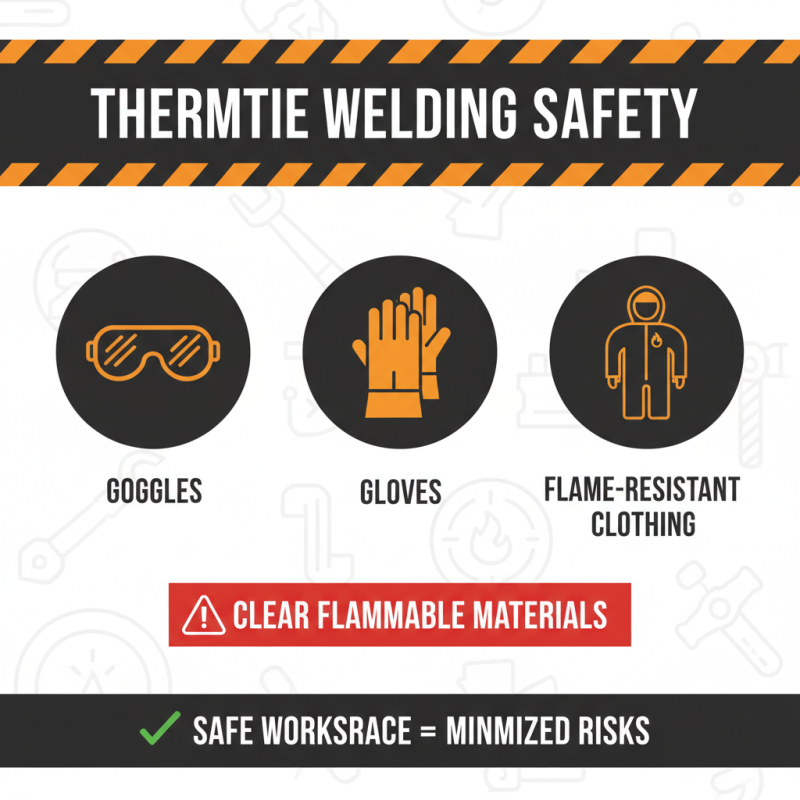
When handling thermite welding powder, safety is paramount. Always wear protective gear. This includes goggles, gloves, and flame-resistant clothing. Ensure that your workspace is clear of flammable materials. A safe environment will minimize risks.
Ventilation is crucial. Working in enclosed spaces can lead to dangerous fumes. Open windows or use exhaust fans to circulate air. Keep a fire extinguisher nearby, in case of emergencies. Accidents can happen quickly. Be prepared.
Using thermite welding powder requires precision. Measure the right amount for your application. Too much can lead to excessive heat and unwanted outcomes. Experiment in small batches to find the optimal quantity. Observe how it reacts. It’s a powerful tool, but it needs respect. Test your setup before large projects; practice makes perfect.
Optimal Material Preparation for Effective Thermite Welding
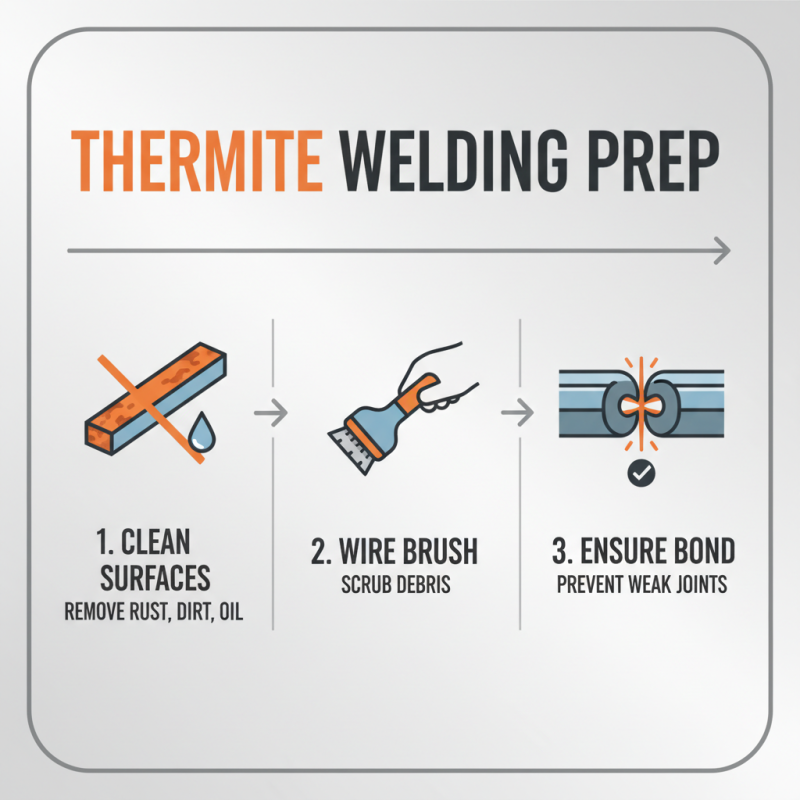
Preparing materials for thermite welding is crucial for successful outcomes. Clean surfaces are necessary. Rust, dirt, and oil can hinder the bonding process. Use a wire brush to remove debris. Sometimes, it’s easy to overlook this step. A small amount of buildup can lead to weak joints.
Proper alignment of the materials is also essential. Use clamps or fixtures to hold them in place. This prevents movement during the reaction. If they shift, the weld will not be effective. It requires patience to set everything correctly, but the results are worth it. Missing this can cause frustration later.
Temperature control is another key factor. The metal should be dry and free from moisture. Moisture can cause unexpected reactions and weaken the weld. Often, a simple pre-heating can improve the outcome. However, ensuring the setup is safe is critical. Thermite reactions are intense and require mindful preparation. Small oversights can lead to big issues. Focus on creating a stable environment.
Recommended Equipment and Tools for Thermite Welding Applications
When engaging in thermite welding, the right equipment is paramount. A sturdy, non-combustible workbench provides a safe, steady base. Use high-quality personal protective equipment (PPE) to safeguard against sparks. Safety goggles and heat-resistant gloves are necessary. Ignoring these could lead to serious injuries.
An effective thermite welding setup requires a few essential tools. A thermite reaction crucible is crucial for handling the intense heat. Accurate measuring tools for the welding powder ensure effectiveness. Inconsistent measurements can lead to poor welds. A reliable ignition source is also vital. Improper ignition could waste material and risk safety.
Proper ventilation is often overlooked. It’s vital to work in an open area. Fumes from the reaction can be hazardous. Taking a moment to assess your workspace can prevent potential issues. Reflect on your setup and make sure everything is in place before starting. Being unprepared can cause frustration and unsafe conditions.
Common Applications and Benefits of Thermite Welding in Industry
Thermite welding is a powerful method used in various industries. It involves a reaction that produces high temperatures. This method is often used for joining metals. Common applications include railroad tracks and heavy steel structures. The durability of thermite welds is a significant benefit. They withstand harsh environments and heavy loads.
To use thermite welding powder effectively, preparation is key. Ensure the surfaces to be joined are clean and free of contaminants. Any debris can weaken the bond. Another tip is to maintain proper temperature control during the process. Too much heat can cause excess material to be wasted.
Safety precautions are essential. The high temperatures involved can pose risks. Always wear protective gear. Lastly, practice makes perfect. New users may struggle initially. Experience will help improve technique and results.