Top 10 Essential Tips for Welding Rail Projects for Beginners
Welding rail projects can seem daunting for beginners. This specialized skill requires precision and attention to detail. Mastering the art of welding rail is essential for various industries, including construction and transportation.
In this guide, we will explore ten essential tips that can help novices improve their welding rail techniques. From selecting the right equipment to understanding safety measures, each tip is designed to enhance your welding experience. Effective welding ensures strong joints and long-lasting rails.
Many beginners struggle with common pitfalls like poor technique and inadequate preparation. It's crucial to reflect on these challenges. Each mistake is an opportunity to learn. Embrace the process and watch your skills grow as you tackle welding rail projects confidently.
Understanding Basic Welding Techniques for Rail Projects
Welding rail projects require a solid understanding of basic techniques. Beginners often struggle with the complexity of welding processes. According to a 2021 survey by the American Welding Society, 47% of new welders reported challenges with technique application. Proper joint preparation is critical. It ensures a strong bond and can prevent future failures.
Different types of welding, like MIG and TIG, each have unique applications. MIG welding is often preferred for rail projects due to its speed and efficiency. However, it may lead to more spatter. Beginners can benefit from practicing in a controlled environment. This allows for adjustments and reflections on their work without the pressure of real-time projects.
Safety is another vital aspect. The National Institute for Occupational Safety and Health reports that around 40% of welding-related accidents stem from improper safety measures. Beginners should invest time in learning safety protocols. Using protective gear and understanding ventilation needs can significantly reduce risks. It’s important for new welders to seek guidance. Mistakes will happen, but they are also valuable learning opportunities.
Essential Safety Precautions for Beginners in Rail Welding
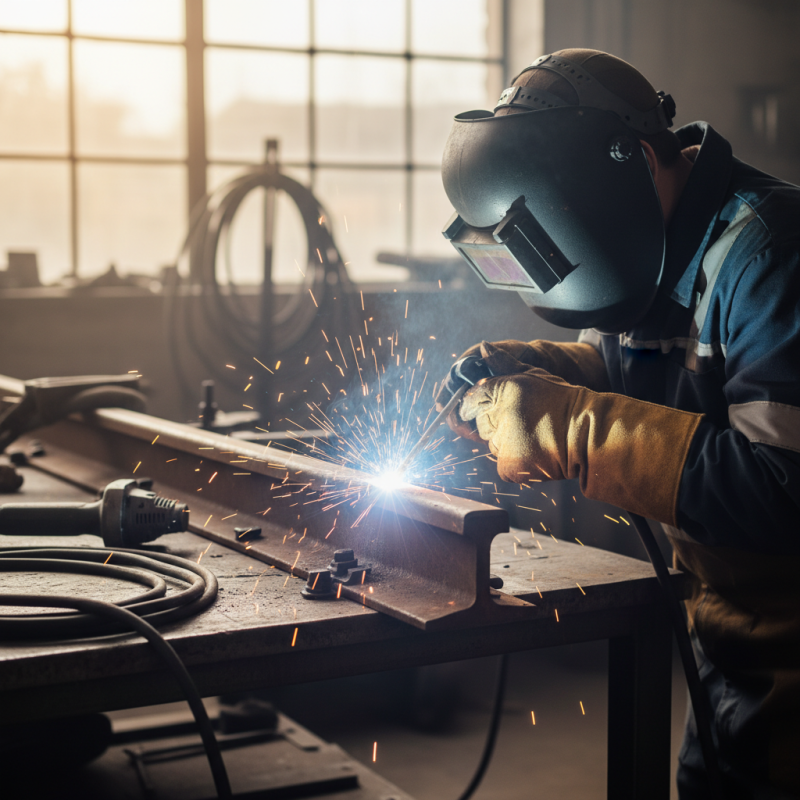
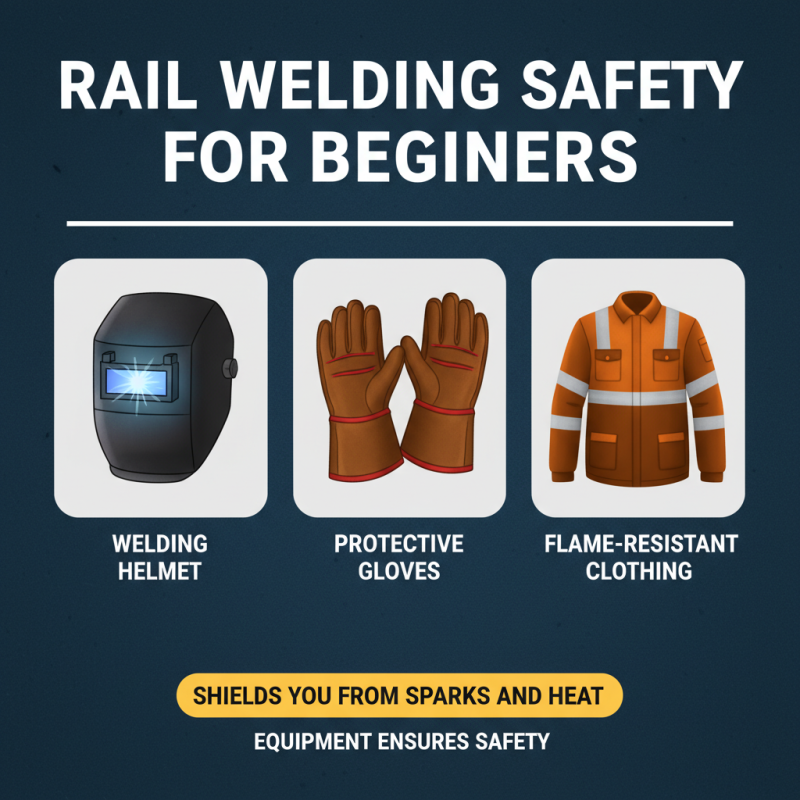
When starting with rail welding, safety is paramount. Beginners often overlook the importance of personal protective equipment (PPE). Always wear a welding helmet, gloves, and flame-resistant clothing. This gear shields you from sparks and intense heat. Having the right equipment ensures your safety on the job site.
It’s essential to work in a well-ventilated area. Fumes from welding can be harmful. Many beginners don’t realize this until it’s too late. If possible, use fume extractors. They can significantly reduce exposure. Also, be cautious about your workspace. Keep it organized to prevent accidents. A cluttered area can lead to trips and falls.
One common mistake is not checking equipment before use. Make sure your welder is in good condition. Inspect cables and connections. Faulty equipment can cause major hazards. Regular maintenance can save you from potential injuries. Reflect on your practices continually. It's okay to learn and adapt. Safety should remain a priority throughout all rail projects.
Choosing the Right Welding Equipment and Materials for Rail Welding
Choosing the right welding equipment and materials is crucial for beginners in rail welding. The equipment you select can significantly affect the quality and safety of your work. According to a report from the American Welding Society, nearly 70% of welding defects result from improper equipment choice. This statistic highlights the need for careful selection.
When starting, look for a versatile welding machine that can handle different materials commonly used in rail projects. Stick welding and MIG welding are popular choices due to their ease of use. Ensure that you have a sturdy welding helmet and protective gear. These items are essential. A study indicated that 30% of welding injuries could be prevented with proper safety gear. This statistic cannot be ignored.
Materials also play a vital role. High-strength, low-alloy steels are commonly used in rail projects for their durability. When selecting filler materials, compatibility with the base metal is vital. Improper selection can lead to weld failure. Reportedly, 15% of welding failures in rail projects stem from using incompatible materials. This is a critical point for any beginner to consider.
Best Practices for Maintaining Quality and Precision in Rail Welding
Welding rail projects can be challenging. Maintaining quality and precision is crucial. Here are some tips to help you succeed.
Prepare your workspace before you start. Ensure it is clean and organized. A cluttered area can lead to mistakes. Check your equipment too. Make sure everything is functioning correctly. Small issues can cause big problems later.
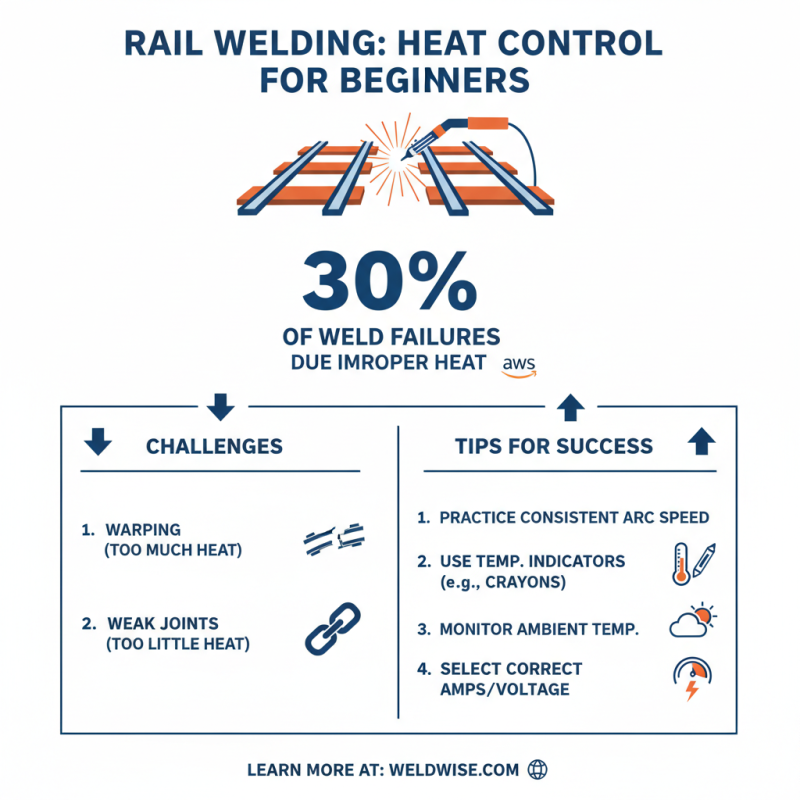
Pay attention to the details while welding. Use the correct settings on your machine. Incorrect amperage can lead to poor weld quality. Focus on the angle and speed of your movements. Rushing can easily result in weak joints. Take breaks if you feel fatigued.
Practice is key in welding. Mistakes will happen, so reflect on them. Each project teaches you something new. Review your work and consider how to improve. Don't be afraid to seek suggestions from others. Learning is a continuous process in this craft.