How to Master Rail Welding Technology for Effective Track Construction?
Rail welding technology plays a critical role in track construction. According to expert Dr. Jane Stevens, "Mastering rail welding is vital for ensuring safety and durability." This statement captures the essence of the importance of effective welding in rail systems.
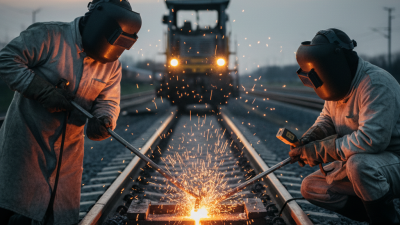
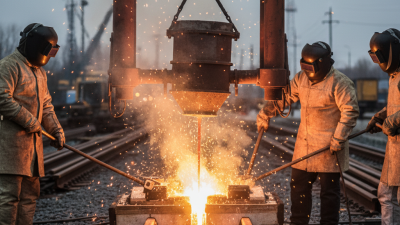
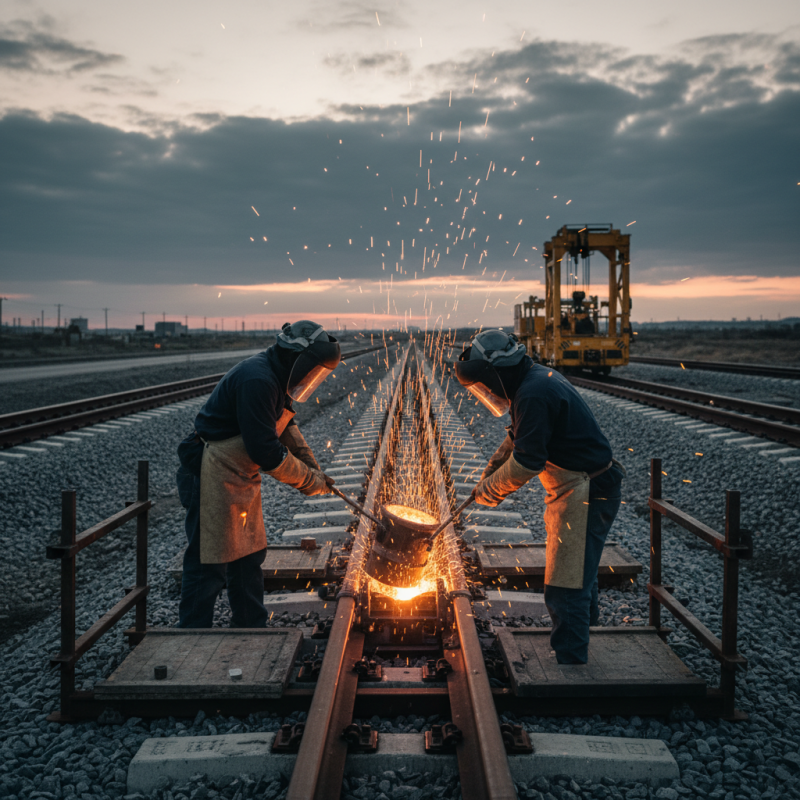
Various techniques exist within rail welding technology, each with its own challenges. For instance, the Thermite welding method demands precise control of temperature. A small error can lead to severe structural weaknesses in the track. Additionally, understanding the environmental factors like weather can impact the welding process.
However, technicians sometimes overlook these details. Training is crucial, yet many professionals lack proper experience. This gap can lead to costly mistakes in construction projects. As the industry evolves, adapting to new technologies becomes essential for success. The pursuit of excellence in rail welding technology must remain a top priority for construction teams.
Understanding the Basics of Rail Welding Technology for Track Construction
Rail welding technology is a critical element in effective track construction. Understanding the basics can significantly impact the longevity and safety of rail systems. According to industry reports, approximately 90% of rail joints use welded connections, which helps reduce maintenance costs and improves overall performance.
Mastering basic techniques can lead to better outcomes. Focus on achieving proper joint preparation, ensuring the rails are clean and free from contaminants. A study indicates that poorly prepared joints can reduce strength by over 30%. This underlines the importance of meticulous attention during the welding process.
Tip: Always conduct regular inspections on welded joints. This can identify cracks or weaknesses early.
Moreover, understanding different welding methods, such as flash butt welding and aluminothermic welding, is essential. While flash butt welding offers quicker results, it can be less forgiving if quality controls are inadequate. Remember, both methods have their merits and pitfalls, requiring a strategic approach.
Tip: Train your team on the nuances of each method. Knowledge is crucial in avoiding common mistakes.
Types of Rail Welding Methods: Overview and Applications in the Industry
Rail welding is a crucial aspect of track construction. There are several methods available, each with unique applications in the industry. The most common techniques include electric arc welding, thermite welding, and laser welding. According to industry reports, electric arc welding is widely used for its efficiency. However, thermite welding is popular for heavy-duty applications.
Electric arc welding creates a strong bond, making it ideal for high-speed rail systems. This method can be conducted in various weather conditions, which adds to its flexibility. On the other hand, thermite welding offers durability. It is often used in environments where extreme conditions are present.
**Tip:** When choosing a welding method, consider the environmental factors. High moisture can affect the quality of the weld.
Laser welding is a newer technique in rail industries. While it offers precise results, it requires specialized equipment. This can increase costs. It might not be practical for all projects. Each method has its pros and cons. The choice often depends on specific project requirements.
**Tip:** Always conduct a cost-benefit analysis before deciding on a welding method. Balancing quality and expenses is key.
Rail Welding Methods: Overview and Applications in the Industry
Key Equipment and Tools Used in Rail Welding Processes
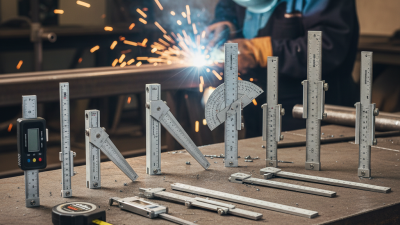
Rail welding technology plays a crucial role in track construction. Understanding the key equipment and tools involved is essential for efficiency and quality. A welding machine is at the heart of the process. It generates heat to fuse rails together. These machines vary in size, accommodating different rail profiles and thicknesses.
Another important tool is the rail preheating device. This ensures that the rails reach the correct temperature before welding. Proper preheating reduces the risk of cracks and improves joint strength. Additionally, quality electrodes are necessary. They must match the material properties of the rails to ensure a strong bond.
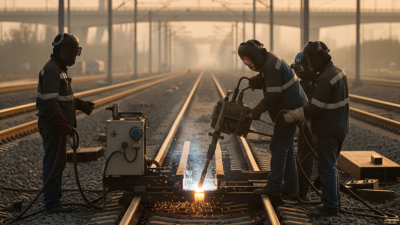
Safety gear is also vital. Welders need protective helmets and gloves. The work environment should be carefully monitored for hazards. Some projects may overlook the importance of equipment maintenance. Regular checks can prevent delays and enhance safety. Developing the right skills and knowledge is an ongoing process. Learning from past errors is key to mastering rail welding technology.
How to Master Rail Welding Technology for Effective Track Construction?
| Equipment/Tool |
Description |
Function |
Application |
| Rail Welding Machine |
A specialized machine used to join rail sections. |
To create strong, continuous rail tracks. |
Track laying and maintenance. |
| Flash Butt Welder |
A type of welder that uses electrical resistance for joining rails. |
Provides high-quality welds with minimal deformation. |
Primarily used for new track construction. |
| Aluminothermic Welding Equipment |
Equipment that facilitates the chemical reaction for rail welding. |
To weld rails under specific heat conditions. |
Rail maintenance and repair. |
| Rail Saw |
A high-speed saw used for cutting rail. |
To prepare rail ends for welding. |
Track modifications and repairs. |
| Grinding Machine |
Machine used to smooth out welds and rail surfaces. |
To ensure a flush and smooth rail surface. |
Finalizing welds before inspection. |
Quality Control Measures in Rail Welding: Ensuring Safety and Durability
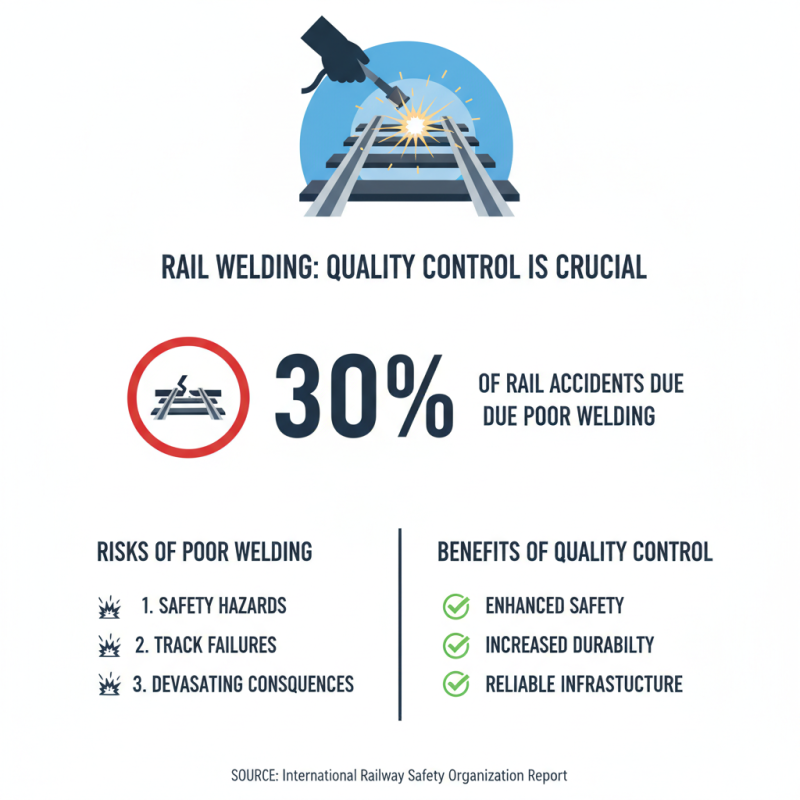
Quality control in rail welding is crucial for ensuring safety and durability in track construction. According to a report by the International Railway Safety Organization, approximately 30% of rail-related accidents stem from poor welding practices. These accidents often lead to devastating consequences, making robust quality control measures vital.
Regular inspections during the welding process are essential. Visual inspections should occur after each weld. These can identify surface defects early. Nondestructive testing methods, like ultrasonic testing, can uncover deeper issues that visual checks might miss. Data shows that using these methods reduces structural failures by up to 20%. Yet, despite these guidelines, many projects still overlook thorough inspections, risking safety.
Training on welding techniques must be consistent. Welders should receive ongoing education to stay updated. A report from the National Transportation Safety Board highlighted that 45% of welding failures resulted from insufficient training. It’s clear that the gap in knowledge can lead to flawed welds. Bridging this gap is critical for reducing the rate of injuries and enhancing overall track reliability.
Future Trends in Rail Welding Technology and Its Impact on Track Construction
The future of rail welding technology is evolving rapidly. Innovations in materials and techniques promise to enhance track construction significantly. Advanced welding methods, such as
friction stir welding and laser welding, are gaining traction. These techniques provide stronger joints and reduce heat-affected zones. The potential for automated welding solutions also offers
increased efficiency. However, care must be taken to train personnel adequately on these new systems.
While the advancements bring promising benefits, challenges remain. Implementing new technologies requires significant investment and expertise. There can be resistance within the industry to adapt.
Furthermore, not all projects may justify the higher costs associated with cutting-edge welding methods. Striking a balance between innovation and practicality is crucial.
Practices need constant evaluation to avoid pitfalls. The track construction industry must recognize that while technology can improve results, it also demands continuous learning.