2026 How to Master Thermit Rail Welding Techniques for Optimal Results?
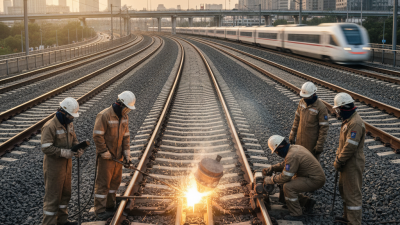
Thermit Rail Welding is a crucial technique in modern railway construction and maintenance. According to the International Journal of Heavy Railways, this method enhances track integrity and longevity. It allows for the seamless joining of rail sections, which is vital for safety and operational efficiency. The growth of high-speed rail and urban transit systems further amplifies the need for reliable welding techniques.
Data from the American Railway Engineering and Maintenance-of-Way Association shows that 30% of rail failures are attributed to poor welding practices. Mastering Thermit Rail Welding can mitigate these risks. Precision in this technique leads to fewer maintenance issues and reduced operational delays. However, achieving optimal results requires a deep understanding of its principles and practices.
Welders must continuously refine their skills and adapt to new technologies. The industry is evolving, with new equipment and processes emerging. This change creates both opportunities and challenges. Success in Thermit Rail Welding isn't just about technique; it also involves ongoing education and experience. Reflecting on past mistakes is essential to drive improvement in this dynamic field.
Understanding the Fundamentals of Thermit Rail Welding
Thermit rail welding is a highly effective technique used in the railway industry. Understanding its fundamentals is crucial for achieving optimal results. This process involves a chemical reaction that generates molten iron, which fuses rail ends together. According to a study by the American Railway Engineering and Maintenance-of-Way Association, proper application guarantees strong, durable joints that can withstand high loads.
To master this technique, welders must focus on preparation. Surface cleanliness directly impacts the bond quality. Even minor impurities can lead to failures. A report from the Federal Railroad Administration highlighted that nearly 30% of rail joint failures stem from inadequate surface preparation. Welders should also assess their workspace to avoid environmental contamination during the process.
Training and experience are critical components as well. Each weld is unique, influenced by factors such as temperature and material composition. Feedback from seasoned professionals often points out that over-reliance on equipment can lead to oversights. Consistent practice is necessary, but regular review and adaptation improve outcomes. Ensuring compliance with safety protocols cannot be overlooked, as manufacturing inconsistencies may also result in defects.
Essential Equipment for Thermit Rail Welding
In the realm of rail welding, thermit welding stands out for its efficiency and durability. To achieve optimal results, having the right equipment is crucial. Key tools essential for thermit rail welding include high-quality welding molds, appropriate thermit materials, and reliable ignition devices. According to industry reports, improper equipment can lead to a significant decrease in weld strength, sometimes exceeding 30%.
When setting up for a thermit weld, ensure that your worksite is prepared. This includes cleaning the rail ends thoroughly. Dirt and rust can compromise the welding process. A recent study indicated that pre-weld cleaning can improve outcomes substantially. Consider using specialized brushes or grinders to achieve the best surface condition.
Tips:
- Always check the temperature of the thermit mixture.
- Too high or too low can lead to failed welds.
- Additionally, practice precision in the molding process; misalignment can ruin the integrity of the joint.
- Remember, practice is essential. Assess each weld and learn from any inconsistencies.
This reflective approach will ultimately enhance your skills and results in thermit rail welding.
Step-by-Step Process of Executing Thermit Rail Welds
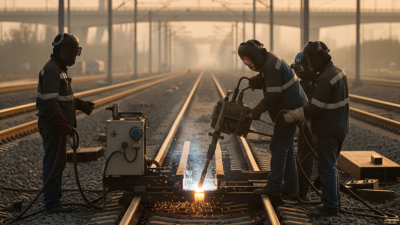
Executing thermit rail welds requires precision and attention to detail. Start with the preparation phase. Ensure the rail ends are clean and properly aligned. Remove dirt and debris from the weld area. Use a grinder if necessary. This step is crucial; improper alignment leads to weak welds. Small errors here might cause significant issues down the line.
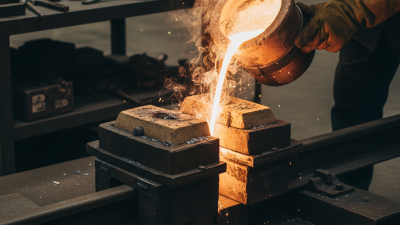
Next, set up the thermit reaction. You will need iron oxide and aluminum. Mix them following the recommended ratios. Pour the mixture into a crucible and ignite it. The reaction generates molten metal, which fuses the rail ends together. But watch closely; pouring too quickly might create air pockets that weaken the bond.
After pouring, monitor the weld as it cools. Inspect for any visible defects. Look for cracks or separations in the joint. These imperfections might affect the durability of the weld. If problems arise, reassess your technique. Continuous improvement is vital in mastering thermit welding. With careful practice, optimal results can be achieved.
Common Challenges and Solutions in Thermit Rail Welding
Thermit rail welding is a skilled process that presents several challenges. One common issue is the inadequate preparation of rail surfaces. If the surfaces are not clean and free from contaminants, the weld quality suffers significantly. According to a report by the American Railway Engineering and Maintenance-of-Way Association (AREMA), insufficient preparation can lead to a 30% reduction in weld integrity. Ensuring proper cleaning techniques and tools are used can mitigate this risk.
Another challenge is maintaining consistent temperature during the welding process. Fluctuations can cause weak bonds between the rail sections. Research indicates that optimal pouring temperatures should be between 1,500 and 2,000 degrees Celsius for effective melting. Monitoring temperature closely can prevent issues. Additionally, inexperienced operators may struggle with timing the pour, resulting in inconsistent welds. Continuous training and experience are vital to mastering this technique.
Lastly, post-weld inspections are often overlooked. Neglecting to conduct thorough inspections can lead to undetected defects. A survey showed that 25% of weld failures are due to lack of proper inspection. Employing standardized methods for checking weld quality can help catch issues early. Focusing on these areas can improve overall performance in thermit rail welding.
Best Practices for Ensuring Optimal Weld Quality and Safety
When it comes to thermit rail welding, achieving optimal weld quality and ensuring safety are of utmost importance. Proper preparation of the materials can significantly impact the welding outcome. Ensure that the rail surfaces are clean and free of rust or dirt. This attention to detail prevents contaminants from compromising the weld quality. A clean surface allows for better fusion, which results in a stronger bond.
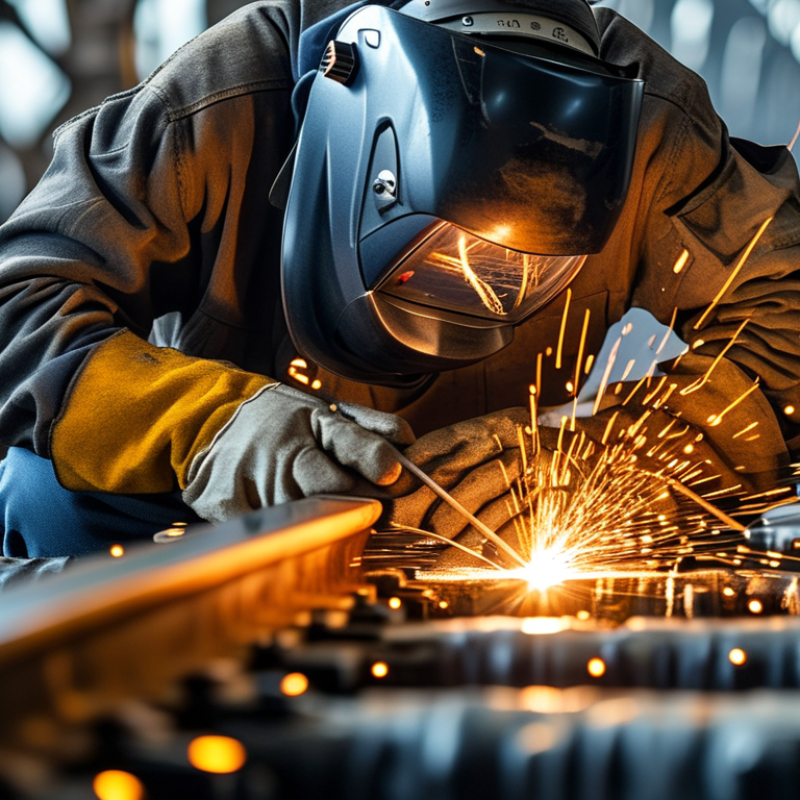
During the welding process, it is crucial to monitor the temperature closely. Maintaining the right temperature helps achieve the desired molten state of the thermit mixture. Too hot can lead to excessive burn-off, while too cool may result in inadequate melting. Additionally, using proper protective equipment minimizes hazards. Welding can produce harmful fumes and sparks, making safety gear essential.
After the weld, a thorough inspection can reveal potential issues. Cracks or voids might be present that are not immediately visible. Conducting a visual and non-destructive examination helps identify these flaws early on. This proactive approach ensures the integrity of the weld and enhances overall safety. Reflection on these practices fosters continuous improvement. Each welding project offers valuable lessons that can enhance future results.