What is Rail Joint Welding and its Benefits for Global Buyers?
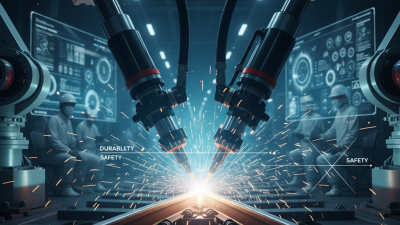
Rail Joint Welding is a crucial technique in the railway industry. It involves the fusion of rail ends to create a seamless track. This process enhances the structural integrity of railways, ensuring smoother and safer train travel. According to Dr. Emily Carter, a renowned expert in railway engineering, "Rail Joint Welding significantly reduces maintenance costs while improving train performance."
Global buyers are increasingly recognizing the advantages of Rail Joint Welding. The technique provides durability and longevity, which is vital for high-speed rail networks. It minimizes expansion gaps, reducing the risk of rail misalignment. Such alignment issues can lead to costly repairs and service interruptions.
However, while Rail Joint Welding presents clear benefits, it is not without its challenges. The initial investment for advanced welding equipment can be high. Moreover, proper training is necessary to ensure skilled technicians perform the welding process effectively. This is critical for maintaining safety standards. Balancing these factors is essential for railway operators aiming for long-term efficiency and cost-effectiveness.
What is Rail Joint Welding? An Overview of the Process and Techniques
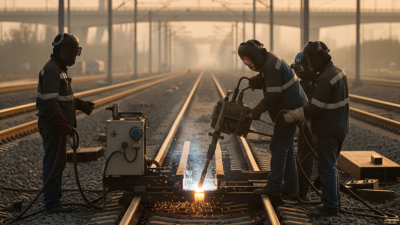
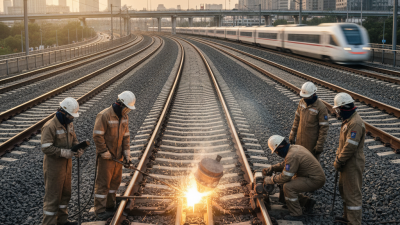
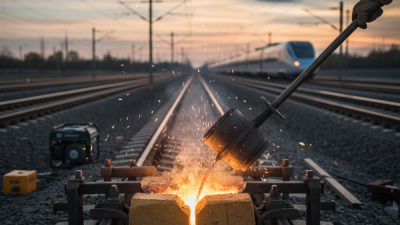
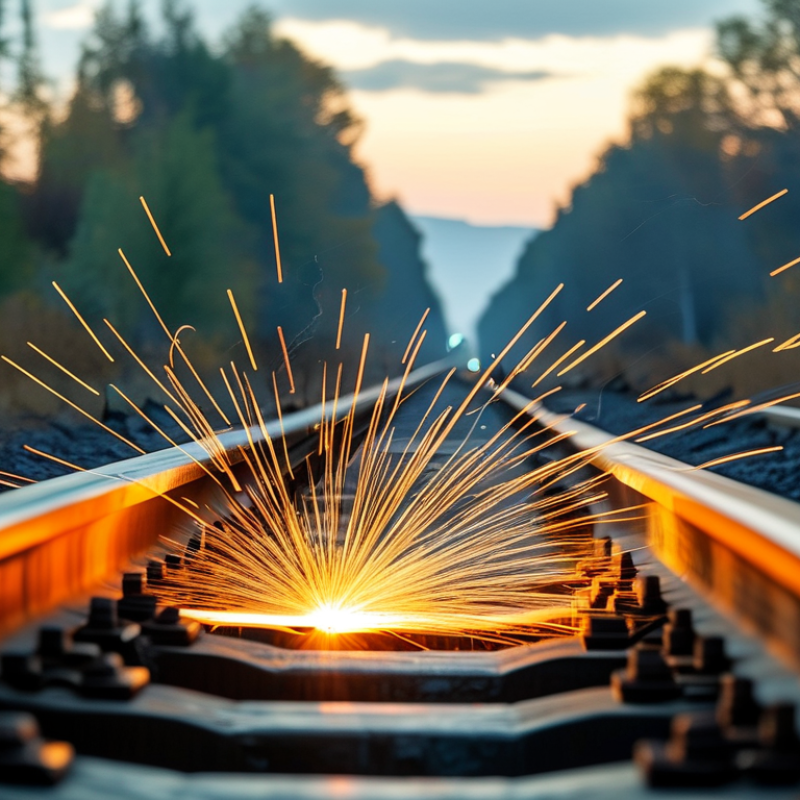
Rail joint welding is a process that joins two lengths of rail together, enhancing the structural integrity of railway tracks. The technique involves heating the rail ends to a molten state and then pressing them together. This creates a continuous rail, reducing the number of joints and improving overall track stability. According to a recent industry report, over 70% of the world's rail systems utilize welded joints to enhance performance.
There are various welding techniques employed, including Resistance Welding and Thermit Welding. Each method has its specific use cases, influenced by factors like rail type and environmental conditions. For instance, Thermit Welding is favored for its ability to maintain the rail's structural properties. In regions experiencing extreme temperatures, this technique shows superior performance in durability and safety. However, inconsistencies in rail material quality can lead to vulnerabilities, affecting the longevity of the weld.
Proper training and adherence to standards are essential for successful rail joint welding. Experts emphasize that skilled technicians are crucial to the process, as mistakes can lead to catastrophic failures. An industry survey indicated that almost 30% of rail failures are linked to improper welding techniques. As the demand for rail transport grows, addressing these issues will be vital for railway operators worldwide.
Key Materials Used in Rail Joint Welding: Types and Their Properties
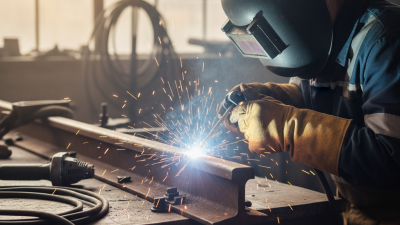
Rail joint welding is a critical process in railway infrastructure. It ensures the seamless connectivity of rails, enhancing both safety and efficiency. To achieve these benefits, specific materials must be considered. The choice of materials affects the durability and performance of the welded joints.
Commonly used materials include aluminum, steel, and specific alloys. Aluminum is lightweight but can have its drawbacks in terms of strength. Steel is frequently preferred due to its robustness and resistance to wear. Alloy variations can provide a balance between weight and strength, but careful selection is key. Improper choices can lead to failures in the field.
Every material has its unique properties that influence the welding process. For instance, the melting point and thermal conductivity vary. Understanding these characteristics can help in making informed decisions. Welders must be cautious, as even minor errors in material selection can result in costly repairs later. Engaging with industry experts can be beneficial, yet the learning curve remains steep.
Benefits of Rail Joint Welding for Global Buyers: Cost and Durability
Rail joint welding has become a key process for enhancing infrastructure durability. For global buyers, this technique presents notable cost-saving benefits. By using advanced welding methods, rail joints become stronger and more resistant to wear. This translates to fewer maintenance requirements and reduced operational downtime.
Smooth rail connections improve not only safety but also efficiency. The reduction in gaps minimizes vibration and noise, leading to a smoother ride. Although the initial investment in welding might seem high, long-term savings are significant. Over time, the durability provided by welded joints lowers the frequency of repairs. This makes rail joints a worthwhile consideration for regions focusing on budget efficiency.
While the data supporting rail joint welding is compelling, it's crucial to recognize possible challenges. Not all environments may suit this welding approach. Weather conditions or geographical factors could potentially impact performance. This highlights the need for thorough site evaluations before implementation. Understanding these variables can guide better decision-making for global buyers seeking long-lasting rail solutions.
Industry Statistics: Impact of Rail Joint Welding on Maintenance and Safety
Rail joint welding is becoming essential in maintaining railway safety. Industry statistics show that properly welded joints reduce maintenance frequency. These joints are critical in ensuring stability and longevity for rail systems.
Data indicates that about 30% of rail failures are related to joint issues. This highlights the need for effective welding techniques. Proper welding reduces risk significantly, enhancing overall safety for passengers and cargo. Additionally, it can lead to substantial cost savings over time. Reduced maintenance needs mean rail operators can allocate resources more effectively.
However, welding does require skilled labor and technology. Training welders can be an investment, but it pays off in safer operations. On the other hand, poor welding practices can lead to failures, which then necessitate costly repairs. Understanding these dynamics is vital for global buyers looking to improve rail infrastructure.
Impact of Rail Joint Welding on Maintenance and Safety
Comparative Analysis: Rail Joint Welding vs. Traditional Rail Joining Methods
Rail joint welding represents a significant advancement in rail joining techniques. Unlike traditional methods, this process creates a continuous welded rail, improving the overall structure's integrity. Traditional rail joining often relies on bolted or riveted connections. These can lead to gaps and weaknesses over time. Welded joints provide a smoother surface, reducing wear on train wheels and enhancing ride quality.
The benefits of rail joint welding extend beyond mere structural integrity. It reduces maintenance costs and improves safety. However, the implementation of this technique is not without its challenges. Proper training and equipment are essential. Inexperienced workers may produce poor-quality welds, resulting in safety hazards. This highlights the need for continuous education in the welding field. Buyers should weigh the initial investment against long-term benefits carefully.
Comparing the two methods shows clear advantages for rail joint welding, but potential pitfalls remain. Buyers must consider factors like local conditions and technology availability. The transition to welded joints may require infrastructure upgrades. These aspects reflect the complexity of modern rail systems. Finding the right balance of technology, experience, and training is vital for successful implementation.