What is the Rail Welding Process and How Does it Work?
The Rail Welding Process is essential in maintaining rail integrity. It’s a method widely adopted across the railway industry, aiding in creating continuous, jointless tracks. According to a report by the International Union of Railways, 80% of modern rail tracks utilize welding to enhance performance and safety.
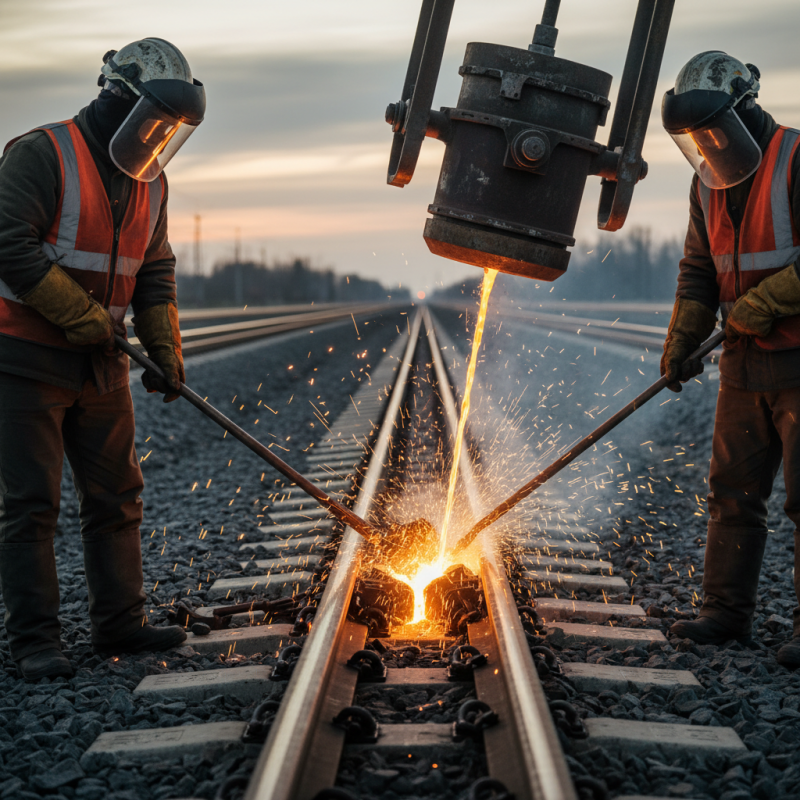
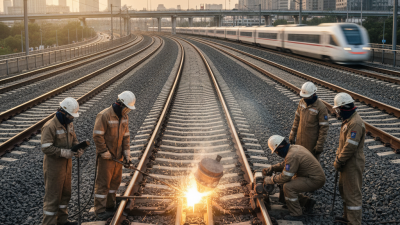
This process involves heating two rail ends until they fuse together, maximizing strength and reducing maintenance needs. Reports indicate that welded tracks can reduce the risk of failures, a significant concern in rail transport. Inadequate joint methods can lead to costly repairs and disrupt service.
However, challenges exist in the Rail Welding Process. Improper techniques or environmental factors can lead to weld defects. Training and quality control are critical to ensuring reliable welds. Continuous improvement in this field is necessary to address these complexities and enhance rail safety and efficiency.
What is Rail Welding and Its Importance in Rail Construction?
Rail welding is a crucial process in rail construction, ensuring that trains run smoothly and safely. This technique involves joining two rails together to create a continuous track. A seamless rail reduces the risk of track defects, which can lead to derailments. The sturdiness of the weld directly influences ride quality and longevity.
The importance of rail welding cannot be overstated. High-quality welding improves structural integrity and minimizes the need for frequent repairs. Yet, not all welding processes guarantee the same efficacy. There are several methods, each with its pros and cons. Some may struggle with heat impact, while others can create weak points if not executed properly. The choice of method is vital in ensuring that the rails endure the weight and frequency of trains.
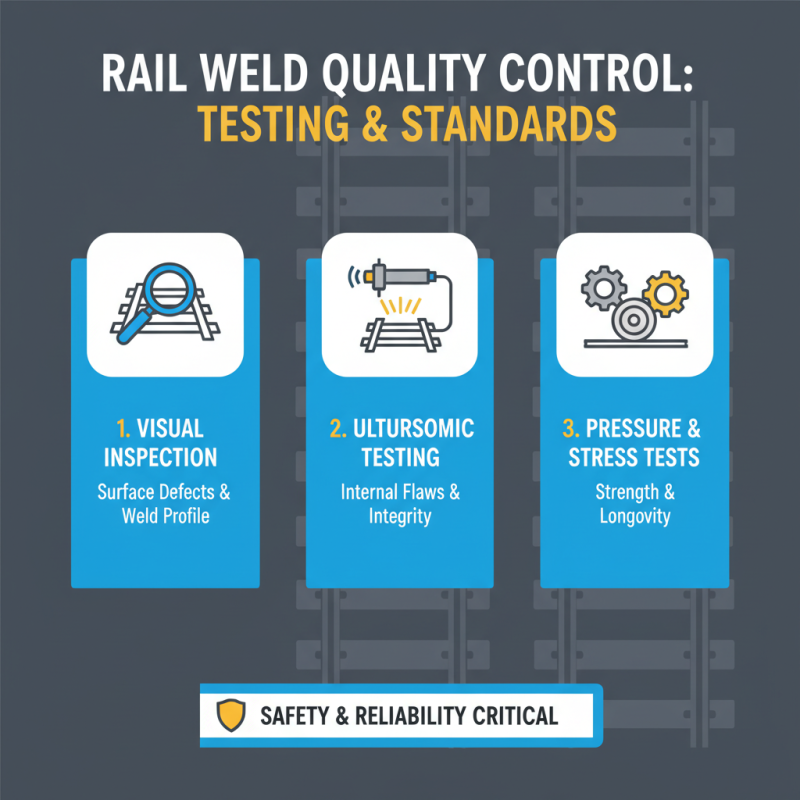
Attention to detail is paramount. Inspecting weld quality is just as important as the welding itself. A poorly made weld can lead to safety hazards. Regular assessments of track conditions are necessary. The rail industry must continuously refine its welding techniques to improve safety. Each project provides lessons to learn from, contributing to ongoing advancements in rail construction.
What is the Rail Welding Process and How Does it Work? - What is Rail Welding and Its Importance in Rail Construction?
| Process Step |
Description |
Purpose |
Equipment Used |
Material Type |
| Preparation |
Cleaning and aligning the rail ends to be welded. |
Ensures a strong weld bond. |
Rail grinding tools, brushes. |
Steel |
| Welding |
Applying heat through electric arc or thermite process. |
Joins the rail ends together permanently. |
Electric arc welder, thermite welding kit. |
Steel |
| Cooling |
Allowing the weld to cool and solidify. |
Ensures the integrity of the weld joint. |
Cooling fans, natural air. |
Steel |
| Inspection |
Testing the weld for defects. |
Ensures safety and quality in rail operations. |
Ultrasonic testers, visual inspection tools. |
Steel |
| Finishing |
Grinding the weld bead for a smooth finish. |
Prepares the rail for operation. |
Rail grinders. |
Steel |
Overview of Rail Welding Processes: Types and Techniques
Rail welding is an essential process in maintaining the integrity and safety of rail systems. Various methods are employed, each with its specific advantages and applications. The most common techniques include flash butt welding, resistance welding, and thermite welding. Flash butt welding offers strong bonds with minimal material loss. Resistance welding, on the other hand, is efficient and economical, often used in light-rail applications.
Thermite welding creates a strong joint through a chemical reaction, making it ideal for heavy-duty needs. Each type varies in complexity, cost, and preparation time. Therefore, choosing the appropriate method can significantly impact the longevity and reliability of the rails.
When considering rail welding, practice safety first. Proper personal protective equipment, such as gloves and masks, is crucial. Understanding the specific requirements of each welding technique can lead to better outcomes. Regular training on the latest technologies is also recommended. Conduct routine inspections after welding to ensure structural integrity. Developing these habits will enhance both safety and performance, cultivating a culture of quality and reliability in rail maintenance.
Overview of Rail Welding Processes
Key Equipment Used in Rail Welding Operations
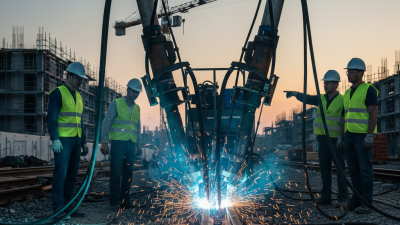
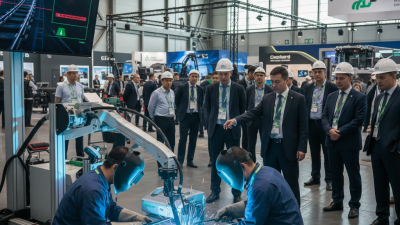
In rail welding operations, key equipment plays an essential role in ensuring strong, reliable rail bonds. The primary tools include rail welding machines, which generate high heat to fuse rails together. These machines come in various types, but all share a common goal: creating a seamless connection. Properly maintained welding machines are critical. They must be calibrated regularly for optimal performance.
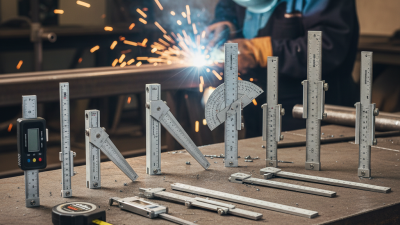
Another vital piece of equipment is the rail alignment device. This ensures that rails are precisely aligned before welding. Misalignment can lead to track issues, causing costly repairs or delays. Operators should inspect and adjust these devices frequently. Consistency is key to producing high-quality welds.
Tip: Always train staff on equipment usage. Proper training reduces mistakes. Encourage frequent equipment checks to catch issues early. No matter how advanced the technology, human oversight is necessary. As with all processes, learning from past mistakes can lead to improvement. Emphasize the importance of reflection and adaptation in rail welding practices.
Industry Statistics on Rail Welding Efficiency and Longevity
Rail welding plays a crucial role in the efficiency and longevity of railway infrastructure. Recent studies reveal that the rail welding process can improve track durability by up to 50%. This advancement leads to fewer disruptions during operations. According to a 2022 industry report, effective rail joints can extend the lifespan of rail tracks, with some systems reporting 30-year longevity when properly maintained.
In terms of efficiency, rail welding minimizes the need for frequent repairs. Data indicates that welded rails reduce maintenance costs by approximately 30%. This reduction stems from decreased wear and tear, which is a common issue with older, bolted tracks. Additionally, the noise reduction associated with welded joints makes stations and nearby areas more pleasant. However, the welding process is not without challenges. Skills gaps and variability in execution can impact outcomes, suggesting the need for ongoing training in the workforce.
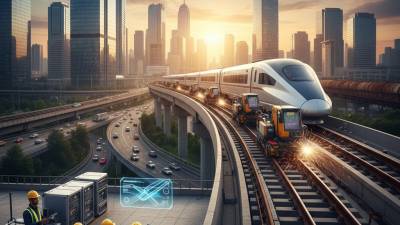
The railroad industry continues to invest in technologies that enhance rail welding. Innovations like automated welding equipment are being developed. However, inconsistencies in application and environmental factors can affect long-term performance. Addressing these issues is essential for maximizing the benefits of rail welding. The findings emphasize the need for regular assessments and potential improvements to standards.