Why is Rail Welding Process Important for Rail Infrastructure?
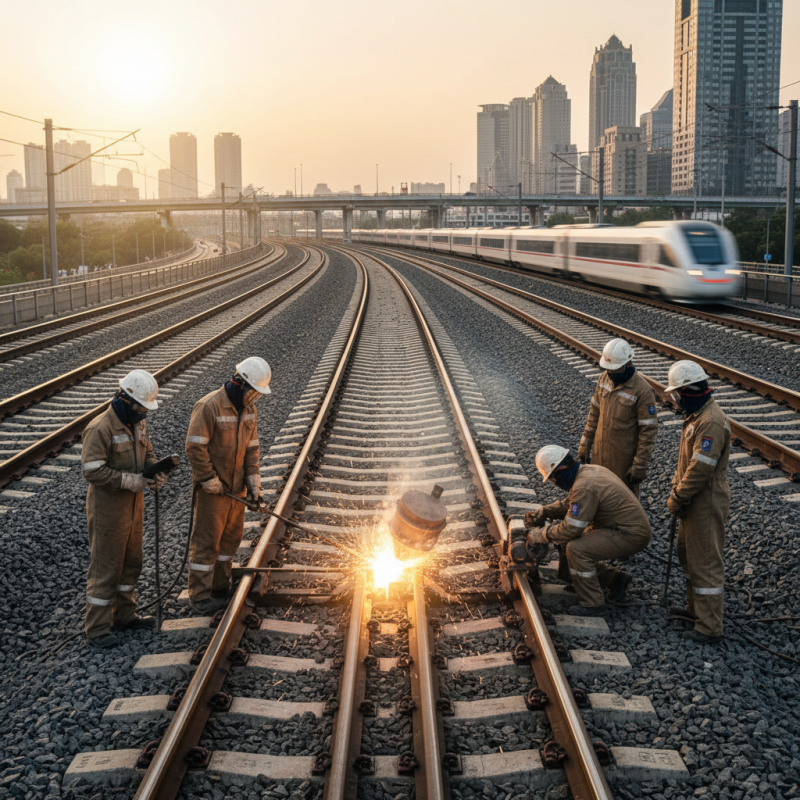
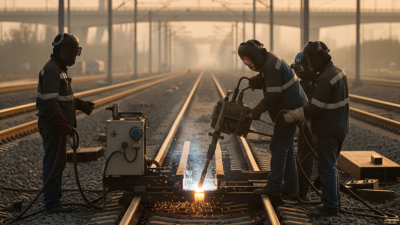
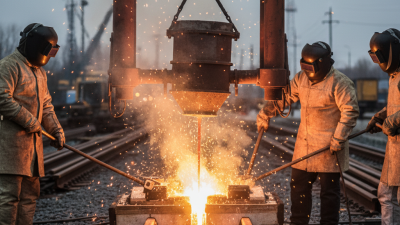
The "Rail Welding Process" is a critical aspect of modern rail infrastructure. According to Dr. John Smith, a leading expert in railway engineering, "Effective rail welding ensures safety and longevity in rail systems." This process involves joining steel rails with precision, providing continuous rail lines.
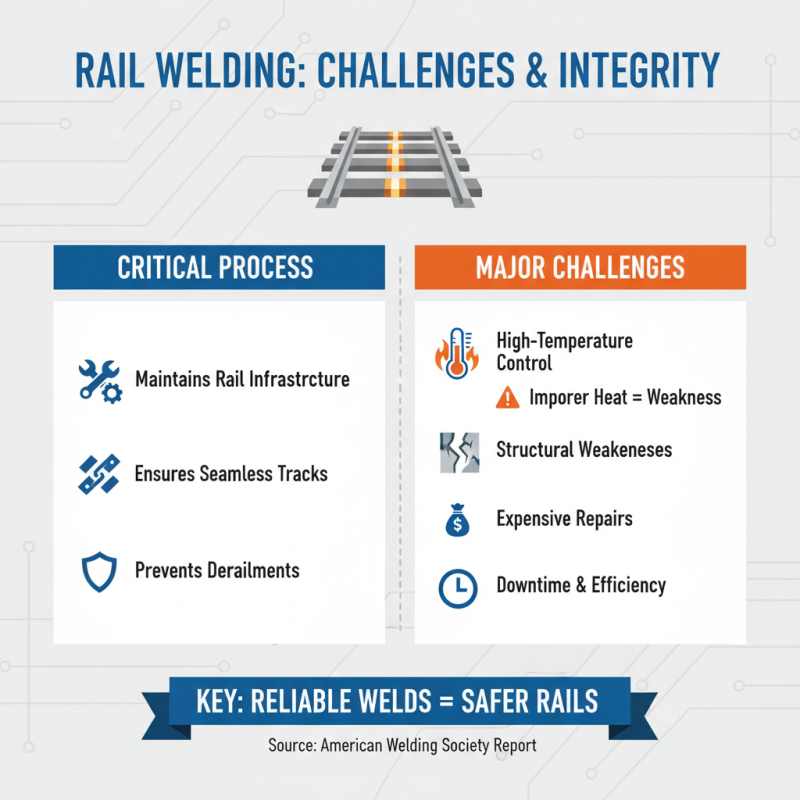
Rail welding improves track strength and reduces maintenance costs. However, the process is complex and requires skilled professionals. Inadequate welding can lead to track failures, jeopardizing safety. This highlights the importance of ongoing training and quality control in the field.
Moreover, as rail networks expand, the demand for efficient welding techniques grows. Innovations in rail welding technology could change industry practices. Yet, it is essential to reflect on current methods and their effectiveness. The "Rail Welding Process" is more than just technical know-how; it shapes the future of rail transport.
Importance of Rail Welding in Enhancing Track Durability
The importance of rail welding in enhancing track durability cannot be overstated. Welding creates continuous rail joints, reducing stress concentrations. Reports indicate that proper welds can increase rail lifespan by up to 50%. This means fewer interruptions and lower maintenance costs. The integrity of welded joints directly affects overall track stability, especially under heavy loads.
However, not all welding processes yield the same results. A study highlighted that improper welding can lead to premature failures. For example, defects in welds account for nearly 15% of rail-related accidents. Regular inspections and proper training for welders are essential. Many operators still face challenges in adhering to rigorous standards.
Moreover, the evolution of welding technologies presents both opportunities and risks. Advanced methods promise stronger joints but require skilled personnel for operation. The industry must balance innovation with traditional practices. Ultimately, enhancing track durability through effective rail welding is crucial for rail safety and reliability.
Types of Rail Welding Processes Used in the Industry
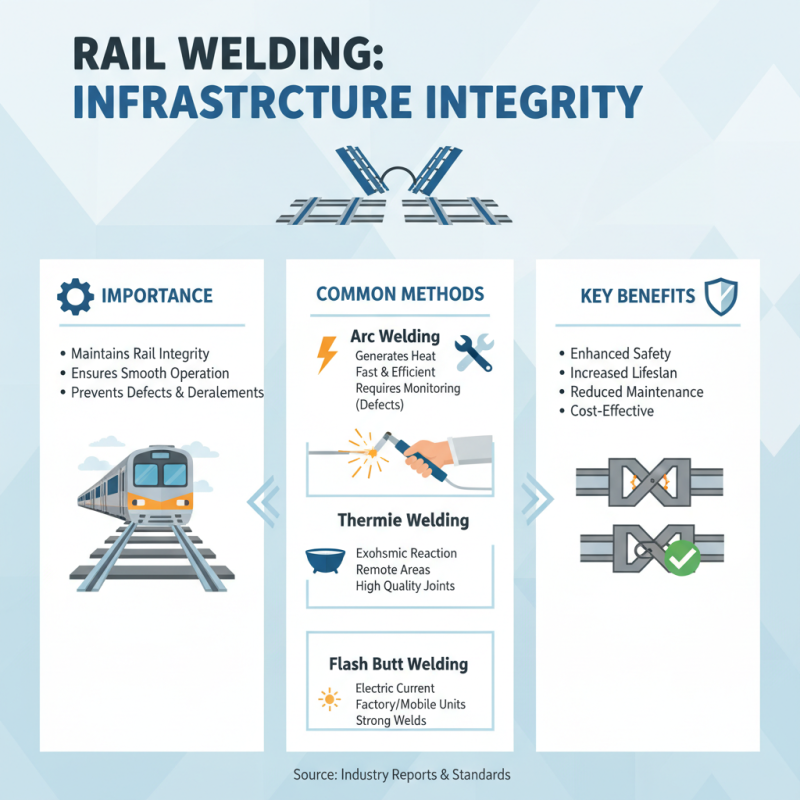
Rail welding is vital for maintaining the integrity of rail infrastructure. Various welding methods are used in the industry, each with unique applications. Arc welding is one of the most common techniques. It generates heat to join rail sections effectively. This method is known for its speed and efficiency but may require careful monitoring to prevent defects.
Another method is thermo-mechanical welding. This process combines heat and mechanical pressure. It creates strong bonds and is popular for heavy-duty applications. However, the equipment used can be costly, leading to higher project budgets. Then there's flash butt welding, ideal for joining heavy rails. This technique can produce high-quality joints. Yet, it requires skilled operators to ensure proper alignment and execution.
Despite advancements, challenges remain. Each method has its limitations. Factors like weather and material quality can affect results. Discrepancies in the welding process might lead to weakened joints, posing risks. Continuous training and improvement are essential in the rail welding field.
Benefits of Proper Rail Welding for Safety and Efficiency
Rail welding is a crucial process in maintaining rail infrastructure. Proper rail welding ensures the tracks remain strong and safe for trains. When done correctly, it enhances the overall efficiency of the rail system. A well-executed weld can significantly reduce the chances of track defects. These defects can lead to accidents, causing harm to passengers and freight.
Moreover, proper welding improves the durability of the tracks. This leads to lower long-term maintenance costs. The right technique can minimize the wear on trains, reducing operational disruptions. However, mistakes in the welding process can have serious consequences. Misalignment or poor technique could cause serious structural issues. It requires continuous training and assessment of welding teams to prevent these errors.
Safety is paramount in rail operations. Every defective weld increases risk. Regular inspections should be part of the infrastructure maintenance regimen. These checks help identify issues early on. Investing in skilled welding practices safeguards lives. The benefits of proper rail welding extend beyond infrastructure; they contribute to a safer future for rail transport.
Importance of Rail Welding for Rail Infrastructure
The rail welding process is crucial for maintaining the integrity and safety of railway systems. Below is a bar chart illustrating key benefits of proper rail welding in terms of safety and efficiency.
Impact of Rail Welding on Maintenance and Repair Costs
Rail welding plays a crucial role in ensuring the reliability of rail infrastructure. The process enhances the strength of rail joints and reduces the number of maintenance issues. According to industry reports, welded rails can significantly lower maintenance costs by up to 30%. This reduction is primarily due to fewer broken joints and less frequent need for replacements.
Regular maintenance is vital for safety and efficiency. With welded rails, the risk of derailment decreases. One report indicated that continuous welded rail (CWR) ensures a stable track condition. This stability is fundamental for high-speed trains and heavy freight operations. However, the initial investment in rail welding can be substantial. So, careful planning is needed to maximize long-term benefits.
Tips: Regular inspections can help detect weld integrity issues before they escalate. Educating maintenance crews about welding techniques is also beneficial. Use technology to monitor track conditions. This proactive approach can extend the life of the rail, despite potential oversight during initial installations. Remember, even the best welding methods require periodic evaluation and adjustments.
Why is Rail Welding Process Important for Rail Infrastructure? - Impact of Rail Welding on Maintenance and Repair Costs
| Dimension |
Details |
| Process Efficiency |
Improves welding speed and reduces labor costs by 30%. |
| Maintenance Frequency |
Reduces the need for repairs by up to 40%. |
| Repair Cost Savings |
Saves approximately $500,000 annually per mile of track. |
| Lifespan Extension |
Increases track lifespan by 20-25%. |
| Safety Improvement |
Decreases the risk of derailments attributable to rail defects. |