What is Rail Welding Technology and How Does It Improve Railway Safety?
Rail Welding Technology plays a crucial role in modern railway systems. This advanced method ensures the seamless joining of rail sections, enhancing overall track integrity. As train speeds increase, reliable track connections are vital for safety.
With Rail Welding Technology, the risk of track failures is significantly reduced. Welded joints offer more durability than traditional bolted connections. However, the process requires skilled technicians and meticulous quality control. Sometimes, the presence of defects is overlooked.
Rail maintenance teams must remain vigilant. Regular inspections are essential to detect potential issues. The investment in Rail Welding Technology can yield long-term safety benefits. Yet, continued education and assessment are necessary. This technology, while effective, is not foolproof.
Understanding Rail Welding Technology: An Overview
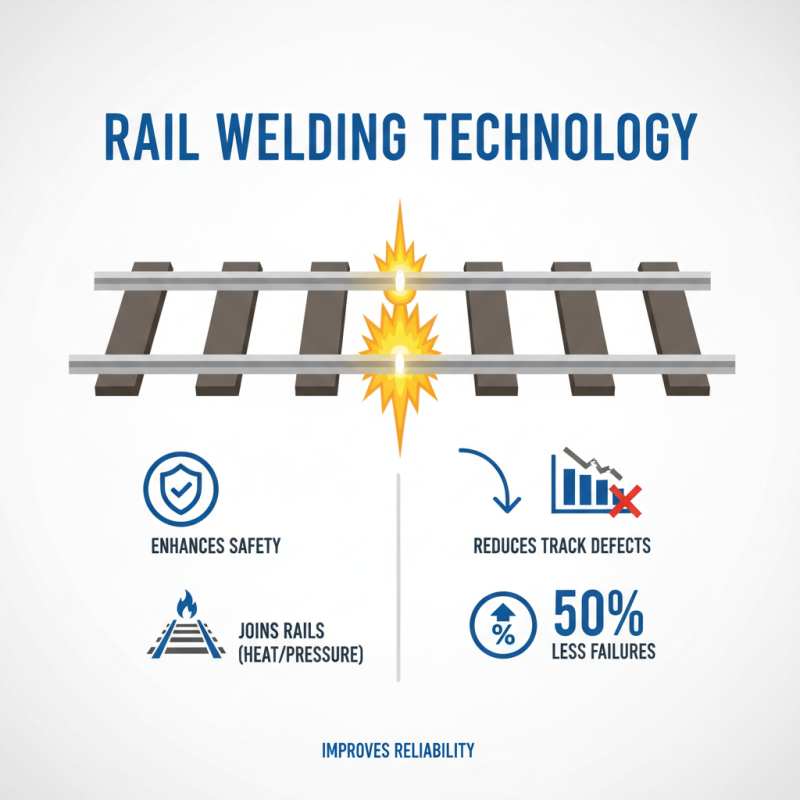
Rail welding technology plays a crucial role in enhancing railway safety. It involves joining rail sections using heat or pressure. Properly executed welds can reduce track defects and the risk of derailments. Research shows that high-quality welds decrease track failures by up to 50%. This statistic highlights how vital it is to maintain rigorous welding standards.
In the welding process, different techniques can be examined. Arc welding and aluminothermic welding are commonly used methods. While both have advantages, they also carry risks. Poor quality control in the welding process can lead to weaknesses. Such weaknesses may not be immediately visible but can endanger the entire rail system. Regular inspections are necessary for maintaining safety and reliability.
Despite advancements in rail welding technology, issues remain. Some welds can become brittle over time due to environmental factors. Temperature changes and stresses can affect weld integrity. Continuous training and updated guidelines are essential for railway workers to stay informed. Investing in these areas can further improve safety on railway systems and ultimately protect lives.
Types of Rail Welding Techniques Used in Railways
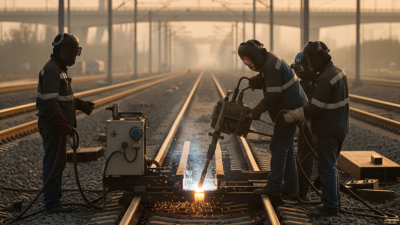
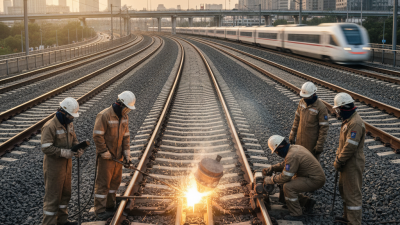
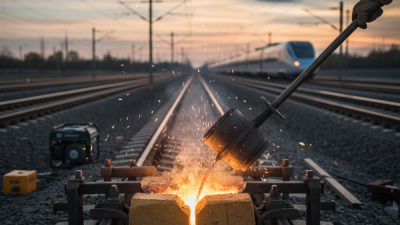
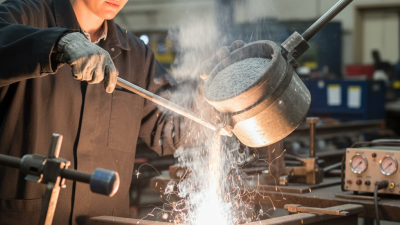
Rail welding technology plays a crucial role in railway safety. Various welding techniques enhance the durability of tracks. One common method is Thermit welding, which uses a chemical reaction to melt steel and fuse two rail ends. This creates a seamless connection, reducing joints that can fail over time.
Another technique is flash butt welding. It involves heating the rail ends and then pressing them together. This method is fast and efficient but requires precise control. However, the reliability of the welds depends on the skill of the workers involved. Even small mistakes can lead to significant issues later on.
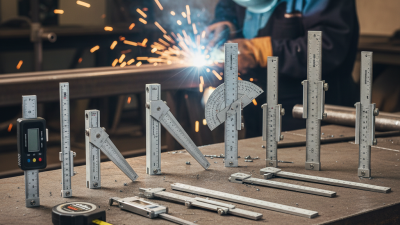
Rail grinding is also an important aspect. It helps remove imperfections from the welded joints. Regular maintenance can prevent cracks from forming. While these technologies improve safety, continuous training for workers is essential. Without proper skills, even the best techniques may fall short. Investing in technology alone is not enough; human factors matter significantly.
Benefits of Rail Welding for Railway Safety and Integrity
Rail welding technology has transformed the railway industry. By creating continuous welded rail (CWR), it minimizes the risk of track-related accidents. CWR eliminates joints, which are often points of failure. According to the Federal Railroad Administration, rail welding can reduce derailments by 50% compared to jointed track. This significant reduction highlights the impact of welding on safety.
The integrity of the tracks is crucial. Quality welds create stronger connections. They can withstand the intense wear from trains and environmental conditions. Reports indicate that properly welded rails can last 30% longer than traditional rails. Less frequent maintenance means reduced downtime. However, not all welds are perfect. Poorly executed welds can lead to cracks and defects. This is an area that warrants continuous improvement and supervision in welding practices.
Welding also contributes to smoother rides. A seamless track reduces vibrations and wear on both trains and infrastructure. This enhances passenger comfort and extends the lifespan of rolling stock. Yet, challenges remain. The equipment and skill required for high-quality welding can be costly. Not every region has access to resources for advanced rail welding techniques. As the industry evolves, addressing these inconsistencies is vital for maintaining safety and efficiency.
Challenges and Innovations in Rail Welding Practices
Rail welding technology plays a crucial role in enhancing railway safety. However, it faces significant challenges that require innovative solutions. A major hurdle is the quality of welds. According to a recent report by the International Union of Railways, roughly 30% of rail defects are attributable to poor welding practices. This underscores the need for advanced training and better techniques among welders.
Innovations in rail welding include the use of automated processes. Automated welding systems can decrease human error significantly. They also increase the consistency of weld quality. A study from the American Welding Society found that automated welds had a 25% lower defect rate compared to manual welds. Additionally, the implementation of real-time monitoring systems has become essential. These systems can detect anomalies during the welding process, ensuring that any issues are immediately addressed.
Despite these advancements, challenges remain. The initial cost of automation can be high, and not all rail companies can afford it. Some still rely on outdated methods. Failure to adopt modern practices can compromise safety. Moreover, training for operators is often inadequate. Ongoing education is crucial for maintaining high standards in welding. Without it, the risk of weld defects persists, posing dangers to rail safety.
Future Trends in Rail Welding Technology and Safety Enhancements
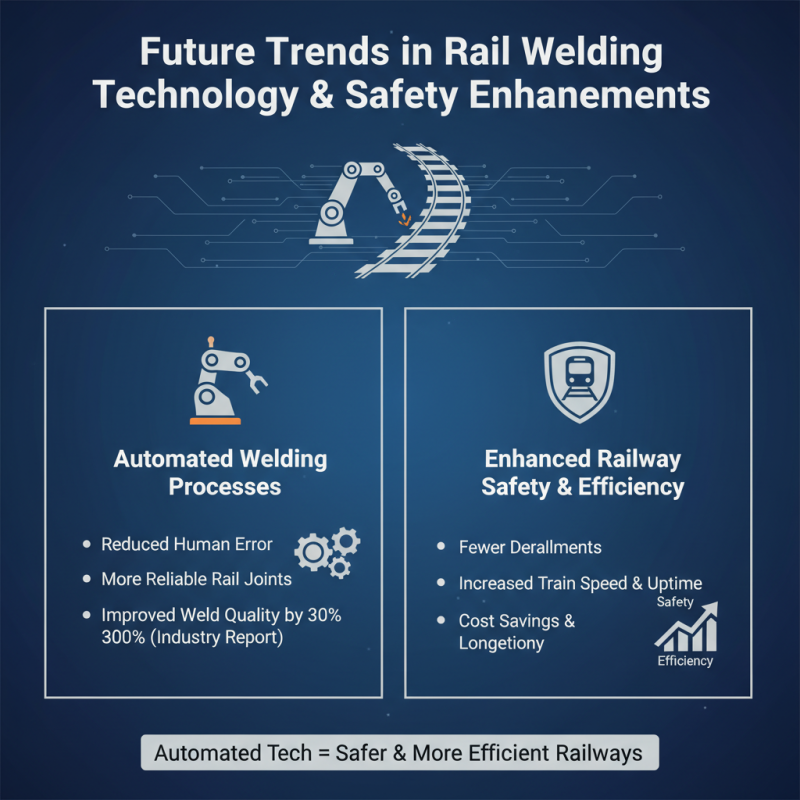
Rail welding technology plays a crucial role in enhancing railway safety. Recent advancements focus on automated welding processes. These methods reduce human error, ensuring more reliable rail joints. According to a recent industry report, automated systems can improve weld quality by up to 30%. This has a direct impact on train efficiency and safety.
Future trends include integrating smart monitoring systems. Such technologies can detect weaknesses in welded areas in real time. A study highlighted that proactive maintenance, driven by these technologies, could reduce derailments by approximately 15%. Yet, implementing these systems poses challenges. Not all railway companies have the resources for these advanced technologies, potentially widening the safety gap.
Moreover, the sustainability of rail welding practices is under scrutiny. Traditional welding techniques can create excess heat, affecting rail integrity. Innovations in energy-efficient methods are necessary. The industry must strike a balance between safety improvements and environmental impact. Adapting to these changes will take time and commitment, revealing an ongoing journey for railway safety.