How to Perform Thermit Rail Welding Effectively and Safely?
Thermit Rail Welding is a process crucial for maintaining railway infrastructure. This method uses a molten thermit reaction to fuse steel rails together. Understanding how to perform this technique safely and effectively can greatly enhance railway longevity and safety.
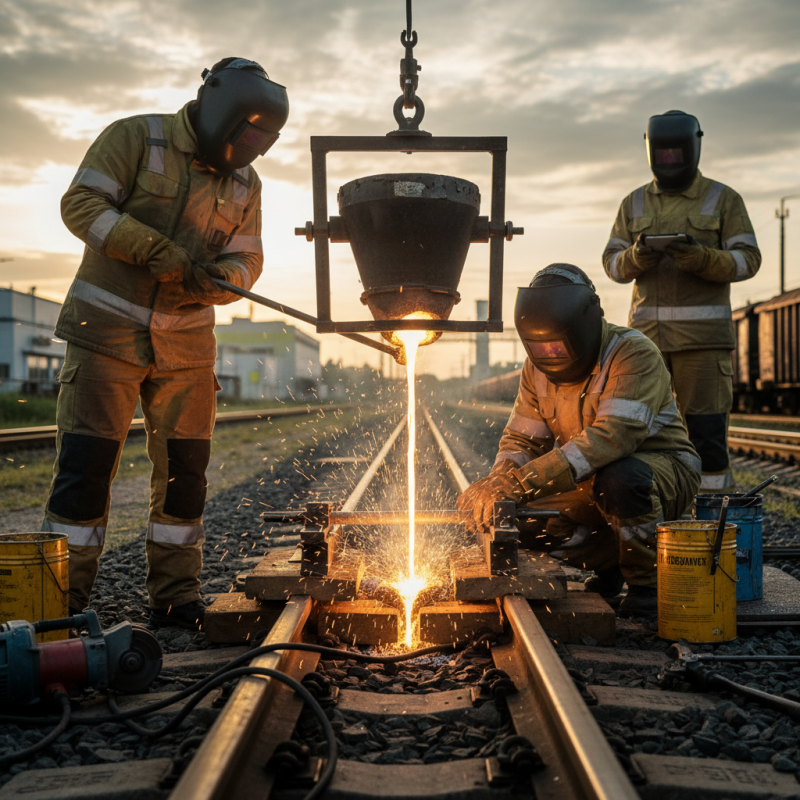
Proper preparation is key in Thermit Rail Welding. Operators must ensure all tools and materials are in place before starting. Inconsistent practices can lead to weak welds, creating potential hazards. Safety gear is essential, as the welding process generates extreme heat and sparks.
The expertise involved in Thermit Rail Welding cannot be overstated. Knowledgeable technicians should supervise all operations. Their experience helps to mitigate risks associated with the process. Regular training sessions can improve skills and reinforce safety protocols. Reflecting on past projects can also lead to better outcomes in future welds.
Overview of Thermit Rail Welding Process and Equipment
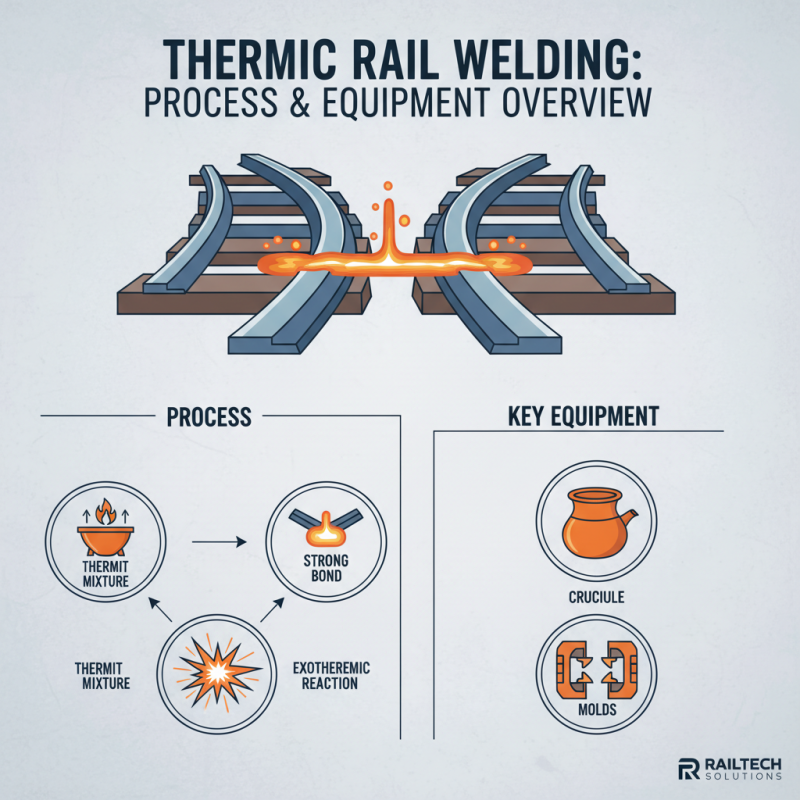
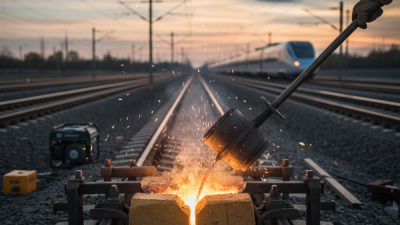
Thermit rail welding is a specialized process that joins steel rails through an exothermic reaction. This method produces a strong bond, ideal for railways. Understanding the equipment involved is essential for effective execution. Key tools include the thermit mixture, crucible, and molds. The crucible holds the thermit until it reaches high temperatures. Then, it allows molten metal to flow into pre-prepared molds that shape the weld.
Safety measures are crucial during this process. Operators must wear protective gear to guard against heat and sparks. Proper ventilation is also necessary to avoid inhaling harmful fumes. Training is essential for personnel to handle equipment correctly and recognize potential hazards. The challenge lies in ensuring consistent quality while prioritizing safety. Variations in technique can impact the weld's integrity, requiring constant monitoring.
Effective thermit welding demands experience and knowledge. Each rail section requires specific preparations for optimal results. Conducting regular inspections and maintenance keeps equipment in top condition. Mistakes can happen, and learning from them is vital. Continuous improvement can lead to safer and more reliable welding practices.
Key Safety Precautions for Thermit Welding Operations
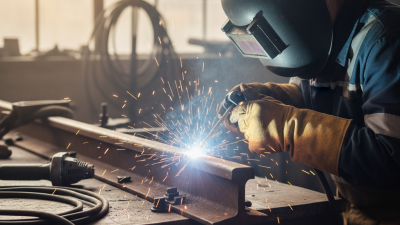
Thermit rail welding is a precise task requiring strict safety measures. Proper preparation can significantly enhance safety. Always wear the correct protective gear, including heat-resistant gloves and face shields. This helps mitigate risks from sparks and molten metal.
Tips: Ensure all tools are in good condition. Faulty equipment can lead to accidents. Regularly inspect the welding setup for any hazards. Keep fire extinguishers on hand for emergencies.
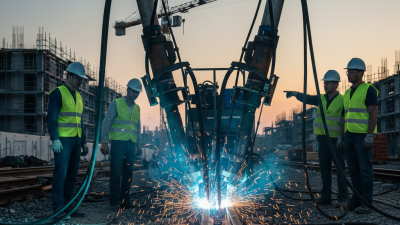
During the welding process, establish a safe perimeter around the site. Untrained individuals should not enter this area. The intense heat generated can cause unexpected hazards, leading to severe injuries.
Tips: Always work in a well-ventilated area. Fumes can accumulate quickly, posing health risks. Check the weather conditions too. Wind can affect the quality of the weld and the safety of the operation. Implementing these precautions is essential. Regular safety drills for your team can also foster a culture of safety awareness.
Thermit Rail Welding Safety Precautions
Materials and Specifications for Thermit Welding Rods
When engaging in thermit rail welding, choosing the right materials is paramount. Thermit welding rods are typically made of a mix of aluminum powder and iron oxide. This mixture allows for the high-temperature reaction needed to create molten iron. Understanding the specifications of the welding rods is crucial for ensuring a successful weld. Generally, the rods must conform to ASTM standards, such as ASTM E 494, which regulates the quality of the materials used.
The diameter of the thermit welding rods usually ranges from 10 mm to 20 mm. This size is optimal for achieving the necessary reaction volume. A study from the International Journal of Welding Technology suggests that proper rod preparation can improve fusion quality by 30%. Choosing rods that meet specific chemical compositions leads to consistent results. It is essential to inspect rods for integrity before use to avoid failures during the welding process.
Experience shows that even minor variations in rod materials can affect the outcome. For instance, impurities in the metal can create weak points in the weld. Consistent monitoring and testing processes can mitigate these risks. Additionally, maintaining strict adherence to safety standards during heating and handling is non-negotiable. Mishaps in handling the welding rod can lead to unforeseen injuries or equipment damage.
How to Perform Thermit Rail Welding Effectively and Safely? - Materials and Specifications for Thermit Welding Rods
| Material Type |
Specifications |
Application |
| Aluminum Thermit |
Aluminum content: 15-25%, Iron oxide: 75-85% |
Used for rail track bonding and strengthening. |
| Iron Powder |
Particle size: ≤100 microns, Purity: ≥98% |
Enhancement of weld quality in rail welding. |
| Silicon |
Silicon content: 3-5% |
Improves fluidity of molten metal. |
| Ferroalloys |
Composition varies: typically manganese or chromium |
Adds strength and reduces brittleness in welds. |
| Thermit Welding Rods |
Length: 1m, Diameter: 25mm |
Essential for the thermit welding process. |
Step-by-Step Instructions for Effective Thermit Welding
Thermit rail welding is a process that demands accuracy and safety. Preparing the site is crucial. Before starting, clear the area of debris. Ensure all personnel wear appropriate protective gear. Proper ventilation is essential. Fumes generated during welding can be harmful. According to industry reports, over 12% of workplace injuries occur due to inadequate safety measures in welding.
When setting up for thermit welding, checking the tools and materials is vital. The thermite powder must be stored properly to prevent contamination. Mixing the materials incorrectly can lead to weak joints. The American Welding Society indicates that defects in welds can reduce rail integrity by up to 30%. Following precise steps can mitigate such risks.
Implementing adequate training is often overlooked. Workers must grasp not just the "how," but the "why" of the process. Regular drills can help reinforce safety protocols. Reports show that teams with frequent training sessions can reduce accidents by 40%. Tracking progress through project logs can also highlight areas needing improvement. Monitoring and reflecting on past projects can drive better practices and enhance overall effectiveness.