Top 10 Insights into Thermite Welding Powder in China
In recent years, the demand for Thermite Welding Powder in China has surged. Experts highlight its key role in construction and manufacturing sectors. Dr. Li Feng, a renowned expert in material science, states, "Thermite Welding Powder is essential for creating robust, durable connections." His insights reflect the growing recognition of this technology.
Thermite Welding Powder provides unique advantages. Its ability to create strong joints quickly is appealing. Moreover, the application process remains relatively straightforward, attracting many industries. However, some challenges do persist. Quality variations can occur among different suppliers. This inconsistency raises questions regarding reliability and performance.
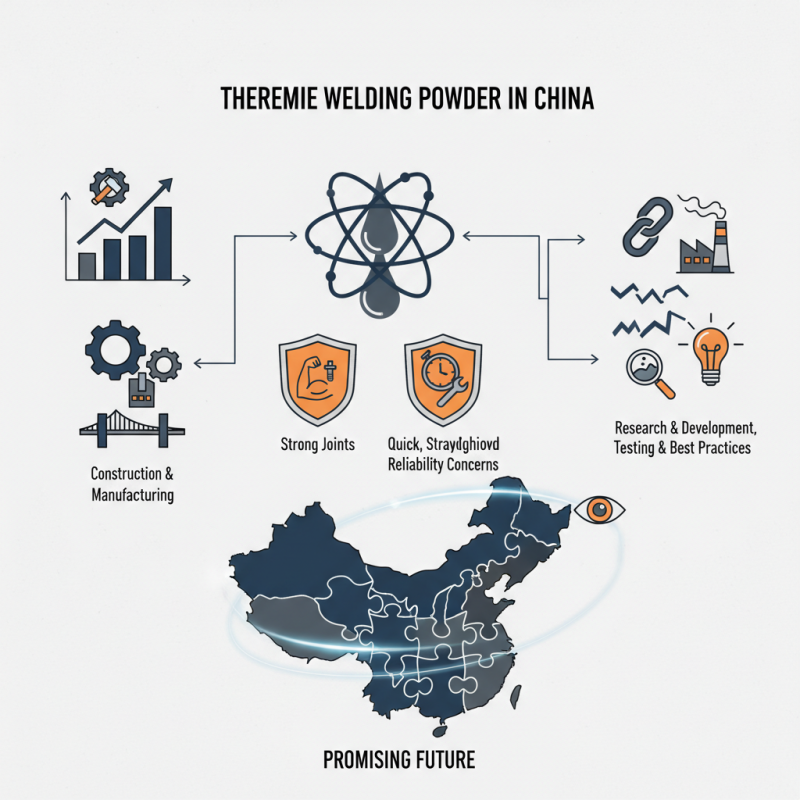
Understanding the nuances of Thermite Welding Powder is vital. Stakeholders must assess product quality carefully. As the industry evolves, ongoing research and development will be crucial. Adopting best practices and rigorous testing protocols can enhance overall safety and efficacy. The future of Thermite Welding Powder in China seems promising, but vigilance is necessary.
Overview of Thermite Welding Powder and Its Applications in China
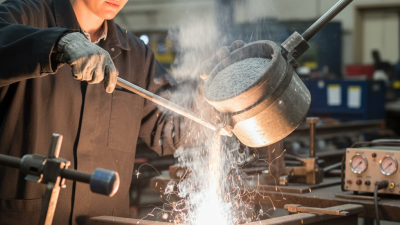
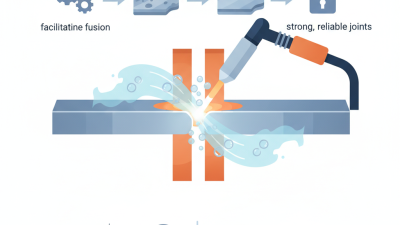
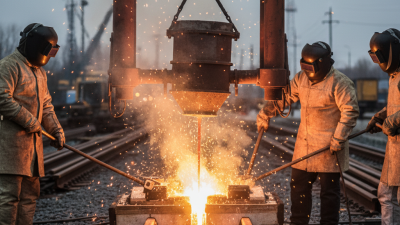
Thermite welding powder has gained significant traction in China for its unique applications. This powder is essential in the field of metal joining. It facilitates the creation of strong, permanent welds through a highly exothermic reaction. This process is particularly useful in rail and track installations. The ability to join large metal components efficiently is invaluable in various industries.
In China, industries such as construction and rail rely heavily on thermite welding. It excels in environments where traditional welding methods may fall short. The simplicity of the thermite process offers advantages in site conditions where electricity or complex equipment may not be available. However, practitioners must be aware of safety protocols. The reaction produces intense heat and molten metal, which can pose severe risks if handled improperly. Training and knowledge are crucial for anyone using this technology.
Looking to the future, there is room for improvement in application techniques. Some users report variability in results based on environmental conditions. Further research into these factors can enhance reliability. The ongoing evolution of thermite welding in China reflects its importance in modern engineering, highlighting the need for continued education and safety advancements.
Overview of Thermite Welding Powder Applications in China
Key Manufacturers of Thermite Welding Powder in the Chinese Market
In the competitive landscape of thermite welding powder in China, several key manufacturers stand out. These companies focus on producing high-quality products that cater to various industrial needs. Many operate with advanced technology to ensure consistency and reliability in their offerings. This has helped them establish a strong presence in the market.
Key manufacturers often prioritize research and development. This enables them to improve their formulations continually. However, some companies still face challenges in meeting stringent quality standards. This can lead to variations in product performance, which is a concern for many buyers. A reliable supplier must demonstrate a commitment to quality control.
Additionally, market dynamics play a significant role in shaping the strategies of these manufacturers. Issues such as raw material costs can impact production. Nonetheless, companies that adapt quickly to these changes often gain a competitive edge. The focus should be not just on profits but also on delivering value to customers. This balance between quality and affordability remains crucial.
Trends Influencing the Production and Demand of Thermite Welding Powder
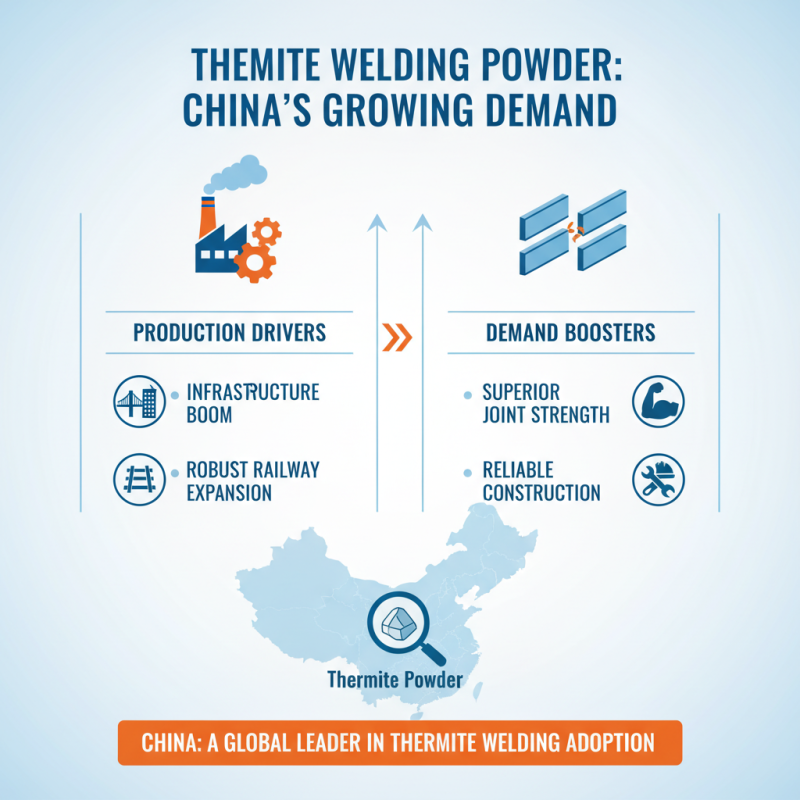
Thermite welding powder is gaining traction in China. Several trends shape its production and demand. The rapid growth of infrastructure projects plays a pivotal role. As cities expand, the need for reliable welding solutions increases significantly. Thermite welding provides robust joints for railway and construction applications. It’s because this method delivers exceptional strength.
Environmental considerations are also influential. Many manufacturers explore eco-friendly alternatives in their processes. This response to sustainability demands reflects a growing awareness. Regulations on emissions have pushed companies to innovate. The desire for efficiency drives the market too. Businesses seek faster production methods to meet rising demands. Yet, challenges remain. Quality control issues persist within the industry. Some manufacturers struggle to maintain consistent product standards.
The skilled workforce shortage adds complexity. As technologies advance, training becomes essential. A gap in expertise can hinder growth. Concurrently, competition increases among local producers. Companies need to stay agile and adapt quickly. Unforeseen challenges can disrupt the supply chain, making planning essential. Addressing these issues is crucial for future growth in the thermite welding sector.
Quality Standards and Regulations for Thermite Welding Powder in China
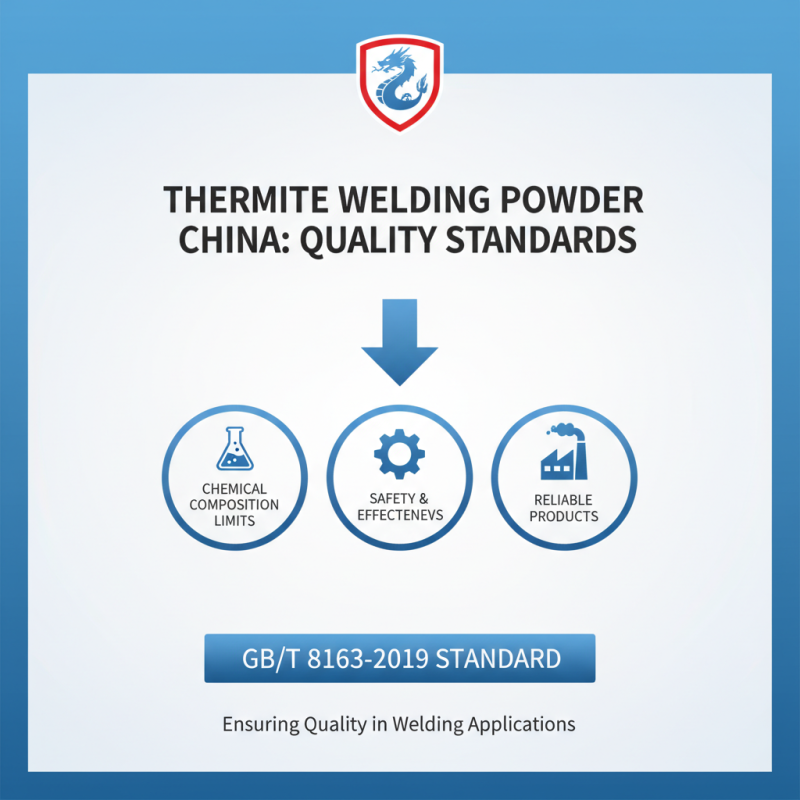
In China, thermite welding powder is subject to specific quality standards and regulations. These standards ensure the safety and effectiveness of thermite welding in various applications. The GB/T 8163-2019 standard is one of the key benchmarks for assessing the quality of welding materials. It establishes acceptable limits for chemical composition, allowing manufacturers to produce safe and reliable products.
Another critical regulation is the ISO 9001 certification, which many manufacturers comply with. This certification emphasizes a quality management system, ensuring consistent quality and continuous improvement. Data shows that over 70% of reputable Chinese producers adhere to these standards, reflecting the industry's commitment to excellence. However, inconsistencies remain among smaller manufacturers, with some not meeting these strict guidelines.
Further complicating matters, there are environmental regulations that impact thermite welding powder production. The Ministry of Ecology and Environment in China mandates emissions control. While larger companies often comply, some smaller entities may fall short. This inconsistency can affect the overall safety in thermite welding operations, leading to potential risks in projects. Industry stakeholders often face challenges in monitoring compliance and enforcing regulations effectively.
Future Prospects and Innovations in Thermite Welding Powder Technologies
The future of thermite welding powder technologies in China shows promising advancements. Recent reports suggest that the thermite welding market is projected to grow at a CAGR of 5.2% from 2023 to 2028. This growth is driven by increasing demand in construction and railway sectors. The application of thermite welding in rail infrastructure enhances durability. However, challenges remain in material consistency and sourcing.
Innovations are emerging, including the development of environmentally friendly thermite mixtures. Some companies are experimenting with bio-based additives that improve performance. These innovations could pave the way for more sustainable practices. There is also ongoing research into optimized particle size distributions, enhancing thermal efficiency during the welding process.
Despite these advances, quality control issues persist. Inconsistent formulations can lead to performance variability. Some experts argue that without stringent standards, the industry may struggle with reliability. The need for improved testing methods is critical. Innovations must focus on both functionality and compliance to ensure long-term success in the market.