Top 10 Benefits of Aluminothermic Welding Rail for Buyers?
Aluminothermic welding rail has gained significant traction in the rail industry. According to recent industry reports, over 75% of major rail operators are incorporating this technology into their maintenance strategies. This method offers enhanced efficiency and cost savings, which are crucial for maintaining rail infrastructure.
The advantages of aluminothermic welding rail extend beyond just financial factors. This process provides strong, durable joints that withstand heavy loads and extreme conditions. Various studies show that aluminothermic welds have a failure rate significantly lower than conventional welding techniques.
However, it is essential to acknowledge potential challenges. Not all suppliers meet high-quality standards, leading to inconsistent outcomes. Investing time in research is vital for buyers to ensure reliability and effectiveness. Understanding these intricacies can guide decisions, ultimately leading to better rail operations.

Advantages of Aluminothermic Welding in Rail Construction
Aluminothermic welding offers significant advantages in rail construction. One key benefit is the ability to create strong and durable joints. Railways endure heavy loads, and this method ensures the connections can withstand intense pressure. The result is less frequent repair work, which can save time and money for companies involved in rail maintenance.
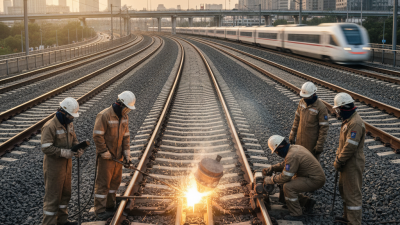
Another advantage is the portability of aluminothermic welding. This technique can be performed on-site, reducing the need for transporting heavy equipment. Workers can set up quickly in remote locations, making repairs efficient. The setup requires minimal equipment, which can be a boon during emergency repairs.
However, there are some challenges to consider. Training workers in aluminothermic welding techniques can be time-consuming. It takes experience to master the process fully. Companies must invest in proper training to ensure safety and quality. Overlooking these aspects can lead to subpar results. Therefore, while aluminothermic welding presents numerous benefits, careful planning and training are essential for optimal outcomes.
Cost-Effectiveness of Aluminothermic Welding for Buyers
Aluminothermic welding, also known as thermite welding, offers significant cost advantages for rail buyers. This process ensures a strong bond between the rail ends, maximizing its longevity and durability. The initial investment in aluminothermic welding equipment may seem high, but the long-term benefits justify the cost. Reduced maintenance and increased lifespan can lead to substantial savings.
One crucial aspect is the efficiency of the welding process. It requires minimal setup and can often be performed on-site. This reduces transportation costs associated with shipping materials to remote locations. Furthermore, the equipment is relatively easy to handle, allowing fewer labor hours compared to traditional methods. Yet, proper training is essential. Inadequate training can lead to mistakes that may compromise the integrity of the weld.
Additionally, buyers should consider the environmental impact. Aluminothermic welding produces less waste compared to other welding types. However, the meticulous preparation is key. Skipping steps can result in poor outcomes, causing costly delays. Reflecting on past experiences and learning from them can greatly benefit future projects. Emphasizing a commitment to quality and safety will enhance the overall success of the welding efforts.
Durability and Strength of Welds in Aluminothermic Processes
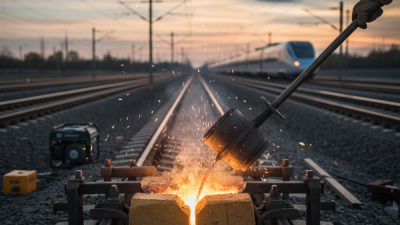
Aluminothermic welding is becoming a favored choice for rail welding due to its impressive durability and strength. The process involves a highly exothermic reaction that produces molten steel. This steel is then used to fuse rail sections together, creating a bond that can withstand immense forces. Reports indicate that welds from aluminothermic processes often exceed a tensile strength of 690 MPa, significantly surpassing traditional welding methods.
The resilience of these welds is vital for rail safety and longevity. According to the American Association of Railroads, rail defects can lead to catastrophic failures. Durable welds help mitigate this risk. However, the quality of the welds can vary. Factors such as the type of materials and environmental conditions affect performance. It’s essential to monitor these variables closely.
Tip: Regularly inspect the welding equipment. Any minor deterioration could affect the strength of the weld.
Another intriguing aspect is the heat input of the process. Aluminothermic welding, while strong, can introduce thermal stresses. These stresses may lead to distortions or fatigue if not carefully managed. It’s crucial to understand the thermal properties of the materials involved.
Tip: Conduct pre-weld and post-weld inspections to ensure the integrity of each joint.
Ultimately, while aluminothermic welding offers significant advantages, it requires careful consideration. Keep refining the processes to enhance quality and safety.
Efficiency and Speed of Aluminothermic Welding Techniques
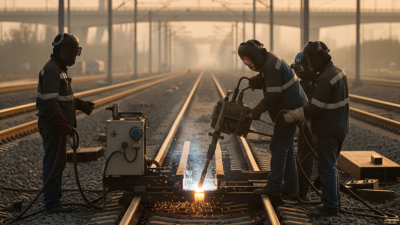
Aluminothermic welding, also known as thermite welding, is highly regarded for its efficiency in rail applications. This technique creates a strong, durable bond between steel rails. The speed at which aluminothermic welding operates sets it apart from traditional methods. Often, it can complete a joint in just a few minutes. This rapid process decreases downtime on tracks, ensuring trains return to service swiftly.
While the speed is impressive, it’s important to consider the learning curve involved. Operators must possess specific skills to handle the materials safely. Missteps can lead to flaws in the weld, impacting the strength of the joint. Moreover, the initial setup requires precision, which can lag if not managed well. Regular training is essential for consistent results and efficiency.
Another aspect is the portability of the equipment. Aluminothermic welding setups are often mobile, allowing use in remote locations. However, this mobility may sometimes sacrifice the control needed for optimal welds. The advantages of speed and efficiency must be balanced with thorough quality checks after the work is completed. Each project, while fast, should not overlook the importance of meticulous inspection to ensure safety and reliability in the long run.
Efficiency Comparison of Aluminothermic Welding Techniques
Safety Considerations in Aluminothermic Rail Welding Operations
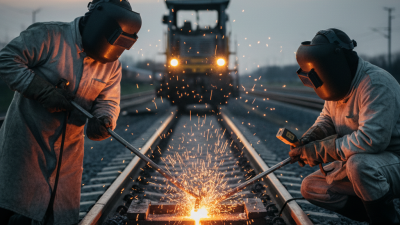
When considering aluminothermic rail welding, safety is paramount. Workers must be equipped with
personal protective equipment (PPE) to shield against harmful
sparks and intense heat. Proper gear, including goggles, gloves, and flame-resistant clothing, helps prevent injuries.
The welding process emits bright light and fumes; hence, suitable ventilation is essential. Even a minor oversight can lead to
serious accidents.
Training plays a critical role in safety. Operators must understand the equipment and processes involved.
Knowledge of emergency procedures is vital. Regular drills can enhance readiness for unexpected incidents.
Worksites should be well-organized to prevent tripping hazards. Caution can never be overemphasized;
a lapse in attention can cause harm.
In addition, safety checks before operations are necessary. Inspecting machinery and tools helps identify potential failures.
Regular maintenance ensures everything operates smoothly.
Awareness of surroundings is crucial as well. Workers should be vigilant about movements in the area.
In welding operations, complacency can lead to avoidable risks.