Top Welding Rail Techniques for Increased Efficiency and Safety in Construction?
In the construction industry, efficiency and safety are paramount. The use of Welding Rail techniques plays a crucial role in optimizing these aspects. Welding Rail processes not only improve the quality of work but also enhance productivity on job sites.
These techniques streamline operations, reducing downtime and waste. For instance, automated welding can increase speed while maintaining precision. Yet, the implementation of these methods is not without challenges. Training staff and maintaining equipment are necessary, but they require time and resources.
Moreover, safety standards must be adhered to. Inadequate training or poor practices can lead to significant risks. Emphasizing proper techniques is vital, as it ensures a safer working environment. Adopting Welding Rail techniques benefits everyone involved, but reflection on potential pitfalls remains essential for continuous improvement.
Advancements in Welding Rail Technologies for Construction Efficiency
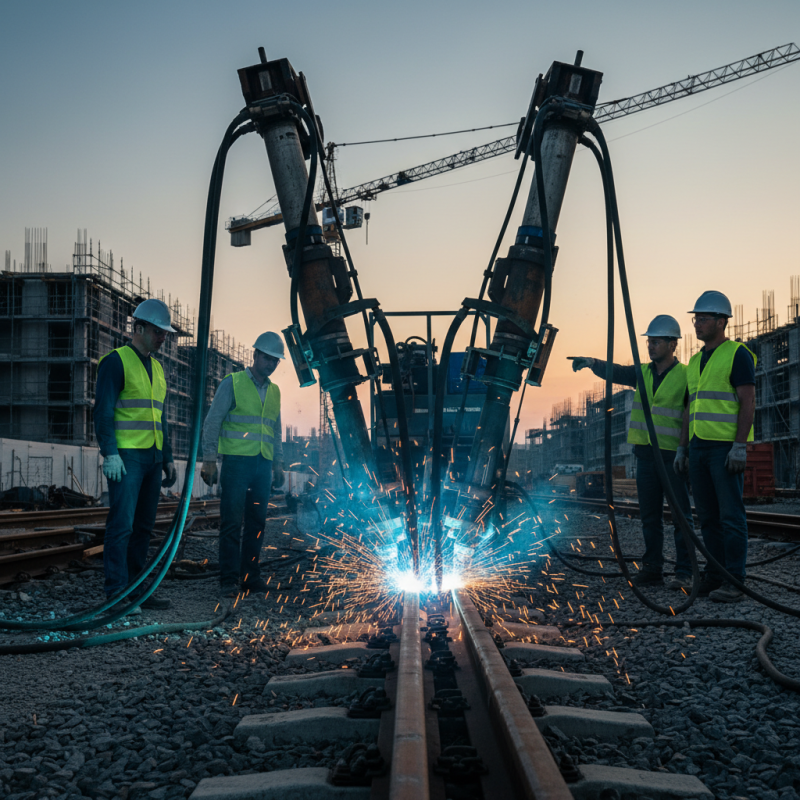
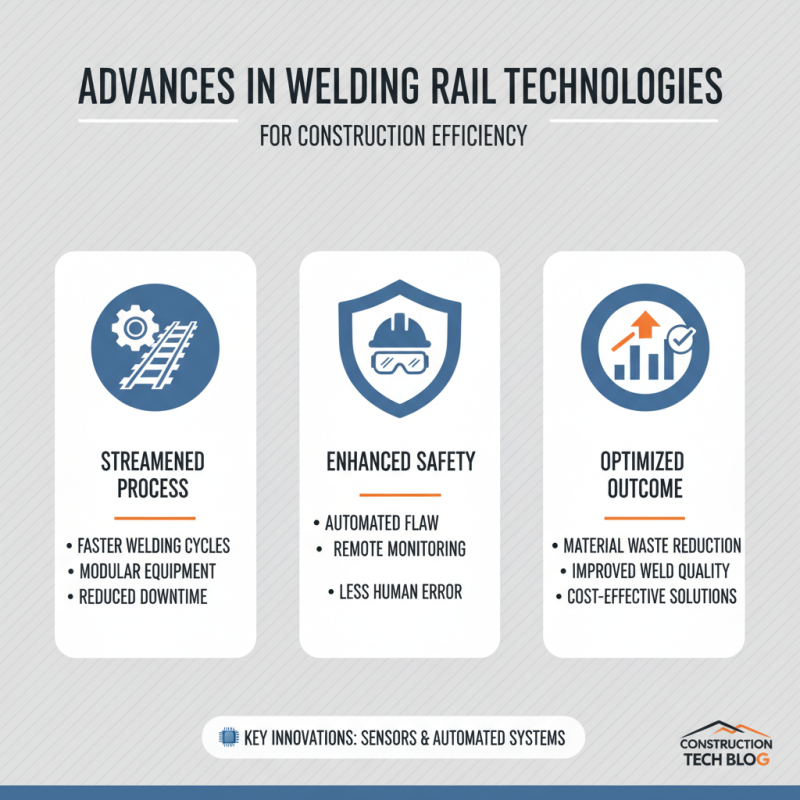
In recent years, advancements in welding rail technologies have transformed construction practices. Innovative methods have streamlined the welding process, enhancing both efficiency and safety on job sites. Sensors and automated systems now assist welders in real-time. This minimizes mistakes and reduces waste.
New welding machines are lighter and more portable. This allows teams to work in tighter spaces without sacrificing quality. However, challenges remain. Operators need extensive training to handle these sophisticated machines. Moreover, reliance on technology can lead to oversights in traditional skills.
Safety has improved significantly due to enhanced equipment features. For instance, better protective gear and more effective ventilation systems are now standard. Yet, not all workers consistently follow safety protocols. Workers must remain vigilant to prevent accidents. Regular training sessions can help reinforce safety practices. While advancements offer great benefits, it's crucial to reflect on how to maintain a strong safety culture amid the rapid changes.
Key Safety Protocols in Rail Welding for Construction Workers
Welding rail in construction demands strict adherence to
safety protocols. Workers must wear appropriate personal protective equipment,
including helmets and gloves. Eye protection is crucial due to flying sparks.
Adequate ventilation is necessary to prevent inhalation of harmful fumes.
Training is not always consistent. Some workers may lack experience in high-heat settings.
Regular refresher sessions can fill these gaps. Understanding how to handle welding tools safely is essential.
Miscommunication can lead to severe accidents on site.
Fire hazards are a constant concern during rail welding.
Fire extinguishers should be readily accessible in all areas. Workers need to be trained on using them effectively.
Improper storage of flammable materials can escalate risks. Attention to detail in these areas could save lives.
Training Programs for Enhanced Skills in Rail Welding
Welding rail techniques are essential for efficiency and safety. Training programs play a vital role in enhancing skills in this area. Many workers enter the field with minimal experience. This gap can lead to errors during welding tasks. Training programs can bridge this gap effectively.
Practical welding exercises are key to these programs. Participants often find themselves working with various materials. They practice techniques such as rail alignment and heat management. Real-world scenarios help them gain confidence. Yet, some struggle to grasp the concepts fully. Ongoing mentorship and feedback are crucial to address these issues.
Safety training is equally important. It focuses on proper gear usage and risk assessment. Many trainees overlook the significance of protective equipment. This lack of awareness can lead to accidents. Continuous reinforcement of safe practices is necessary. Reflection on past mistakes often leads to improvement and awareness. Emphasizing practical skills while maintaining safety can transform raw talent into skilled professionals.
Comparative Analysis of Welding Methods for Rail Installation Efficiency
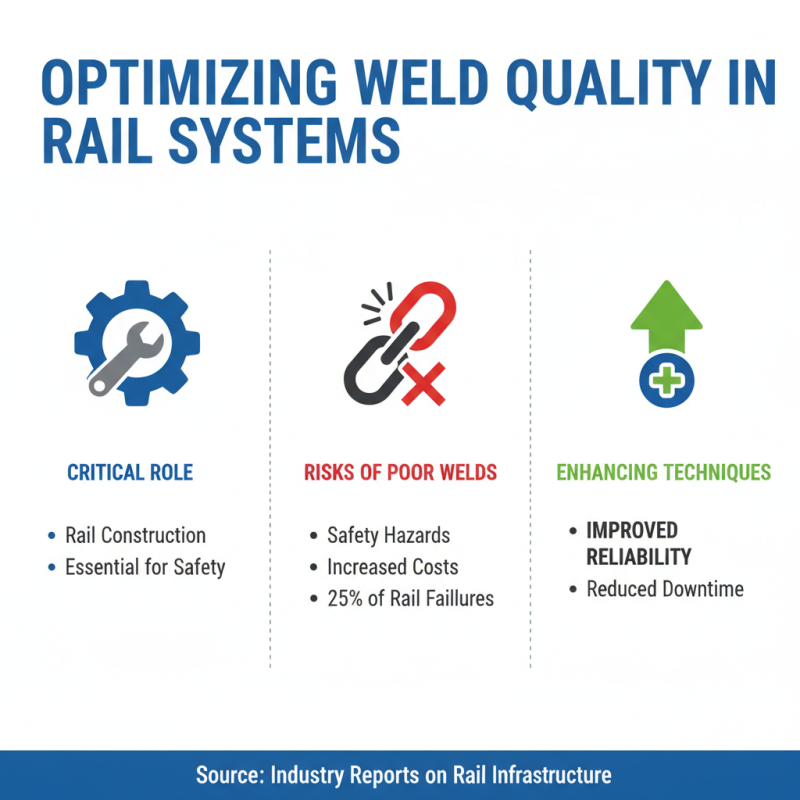
When comparing welding methods for rail installation, efficiency and safety are critical. Recent studies show that using automated welding techniques can reduce installation time by up to 30%. In contrast, traditional manual welding often leads to inconsistencies. These inconsistencies can result in defects, which require costly rework. The quality of the weld is essential for rail integrity. Poor welds can lead to accidents and operational delays.
Different welding techniques, such as submerged arc welding (SAW) and gas tungsten arc welding (GTAW), exhibit varying advantages. SAW is generally faster and offers better penetration, while GTAW provides a more precise weld. However, GTAW can be slower and requires skilled labor. This complexity may be a barrier for many construction companies. Data indicates that 40% of labor costs in rail construction are associated with welding activities, emphasizing the importance of effective techniques.
Worker safety remains a top concern. Welding produces hazardous fumes and heat. Proper ventilation and protective gear are crucial for minimizing risks. Data from industry reports suggest that nearly 25% of welding-related injuries could be avoided with improved safety measures. Re-evaluating current safety protocols is necessary to protect workers effectively. Companies must balance efficiency with safety in their welding practices to achieve optimal results.
Top Welding Rail Techniques for Increased Efficiency and Safety in Construction
| Welding Method |
Efficiency Rating (1-10) |
Safety Rating (1-10) |
Cost Estimate (per meter) |
Common Applications |
| MIG Welding |
8 |
7 |
$15 |
Light to Medium Rails |
| TIG Welding |
9 |
9 |
$25 |
High Precision Rails |
| Stick Welding |
6 |
6 |
$12 |
Heavy Duty Rails |
| Flux-Cored Arc Welding |
7 |
8 |
$18 |
Outdoor and Windy Conditions |
| Laser Welding |
10 |
10 |
$40 |
Precision Rail Installation |