Top Welding Tools and Equipment for Global Buyers 2026?
In the world of manufacturing and construction, the choice of welding tools and equipment plays a crucial role. Buyers from various sectors constantly seek reliable tools that meet their specific needs. Understanding the latest trends and innovations in welding technology is essential for making informed decisions. Quality welding equipment can significantly enhance productivity and ensure safety in operations.
As industries evolve, so do the requirements for welding tools and equipment. Buyers must consider not just the functionality, but also the durability and efficiency of these tools. However, navigating the vast options available can be challenging. Some tools may not deliver on their promises, leading to frustration. It’s vital for international buyers to stay updated on the best equipment available in the market.
Welding tools and equipment are not one-size-fits-all. Each project has its unique demands. Buyers often face dilemmas regarding investment and value. Sometimes, cheap options might lead to costly mistakes. Recognizing the importance of well-researched selections can lead to great outcomes in the industry.
Top Welding Tools and Equipment Overview for Global Buyers in 2026
As the welding industry evolves, understanding the tools and equipment available in 2026 becomes crucial for global buyers. Recent industry reports predict a significant shift towards automation and advanced technologies. According to a study by MarketsandMarkets, the global welding equipment market is projected to reach USD 27.5 billion by 2026, growing at a CAGR of 5.2%. This trend indicates a need for efficiency and precision in welding processes.
Buyers should prioritize investing in high-quality welding machines that offer both durability and versatility. Modern machines now integrate smart technologies, enabling better control and precision during operations. Sensors and automation features enhance productivity. However, with emerging technologies, one must weigh the costs against the long-term benefits. Are the latest features necessary for your specific projects?
Tip: Always evaluate your project requirements before upgrading equipment. Investing in tools that provide long-term savings is often wiser.
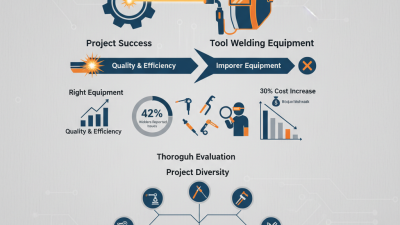
Moreover, understanding the variety of consumables available is essential. Welding wires, shielding gases, and helmets play critical roles in achieving desired results. A recent industry insight suggests that 30% of welding failures are linked to improper consumable choices. Reflect on your current inventory and consider how often you analyze your supplier’s offerings.
Tip: Regularly review your welding consumables to align with industry standards and project needs. Keeping updated can prevent costly mistakes.
Key Features to Consider When Choosing Welding Equipment
When selecting welding equipment, the key features to consider are crucial for ensuring efficiency and safety. One major factor is the type of welding process you will use. Each method has specific equipment needs. Understanding these can enhance your effectiveness.
Tips: Always identify your main projects before purchasing. This helps in choosing the right equipment that suits your requirements. A well-suited tool can prevent wasteful spending.
Another essential feature is portability. Depending on your workspace, you may need lightweight or compact equipment. For example, portable welders are perfect for onsite jobs. This adds flexibility to your work.
Poor quality tools can lead to safety hazards. Ensure your equipment meets safety standards. This is often overlooked, but safety should be a priority.
Tips: Regularly inspect equipment to maintain its integrity. A small crack or defect can lead to significant issues. Staying vigilant will prolong the life of your tools.
Latest Innovations in Welding Technology for 2026
As we look towards 2026, the welding industry is witnessing groundbreaking innovations that redefine efficiency. Laser welding continues to gain traction, offering improved precision and reduced thermal distortion. This technology allows for finer joints, which is crucial in sectors like automotive and aerospace. Additionally, the integration of automation is transforming traditional welding processes, minimizing human error and increasing productivity.
Another exciting advancement is in the realm of portable welding equipment. With the rise of compact, lightweight tools, welders can now operate in remote or confined spaces. These tools have built-in smart technology that monitors performance and provides real-time feedback. However, even with these advancements, many users face a learning curve, needing time to master new features.
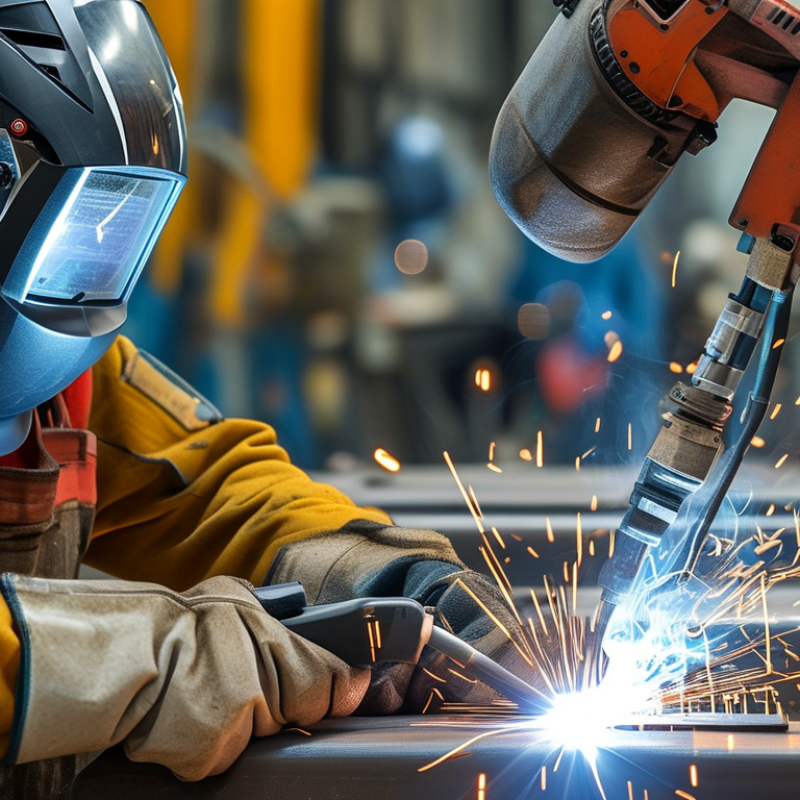
It is also worth noting the importance of safety innovations. New welding helmets come equipped with auto-dimming features and improved lens clarity. While these enhancements are beneficial, they also require welders to adapt. There is a need for ongoing training to fully utilize these protective measures. As technology progresses, the industry must prioritize education to ensure that welders can confidently embrace these developments.
Comparative Analysis of Popular Welding Brands and Their Products
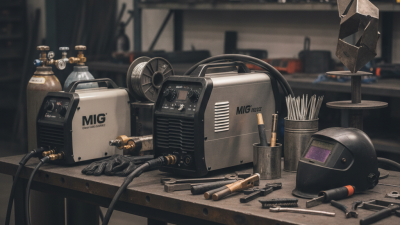
When exploring welding tools and equipment, it's vital to consider the diverse options available. Various brands offer solutions that cater to specific needs, from MIG welding to TIG welding. Each brand brings its unique strengths and design philosophy. Some focus on user-friendliness, while others emphasize durability and performance.
A comparative analysis reveals notable differences in quality and price. Certain brands excel in technological advancements, offering features like digital displays and advanced safety settings. However, not all high-tech options translate into ease of use. User experience can vary significantly, with some tools being intuitive, while others are more challenging to master. This discrepancy highlights the importance of hands-on testing and feedback from experienced welders.
Another critical aspect is customer support and warranty services. Some brands provide comprehensive warranties, while others fall short in after-sales support. Reliable service can be as important as the tools themselves. Users should weigh the benefits of higher-priced tools against the potential risk of inadequate service. Making an informed decision depends on understanding both the equipment and the support structures that come with them.
Future Trends in Welding Tools and Equipment for Global Markets
As the welding industry evolves, future trends in tools and equipment promise significant changes for global markets. Advanced technologies, like automation and robotics, will enhance efficiency and precision. These innovations could reshape job roles, making skilled labor more essential.
Sustainability is also becoming crucial. Eco-friendly welding processes and materials gain momentum. Buyers may seek tools that reduce waste and energy consumption. In this context, manufacturers must pivot or face obsolescence. Adapting to these shifts is not merely beneficial; it’s essential for staying competitive.
Moreover, user-friendly designs will be prioritized. Welding equipment must cater to all skill levels, encouraging adoption. However, there might be challenges in integrating new features without overwhelming users. Balancing complexity with accessibility is key. The market will increasingly demand reliable, efficient, and socially responsible welding tools.
Top Welding Tools and Equipment for Global Buyers 2026
| Tool/Equipment |
Type |
Market Segment |
Estimated Growth (%) |
Key Features |
| MIG Welder |
Arc Welding |
Automotive |
7% |
Easy to use, fast welding speed, excellent for thin materials |
| TIG Welder |
Arc Welding |
Manufacturing |
5% |
High precision, ideal for stainless steel and aluminum |
| Plasma Cutter |
Cutting |
Construction |
8% |
Versatile cutting, minimal heat affected zone |
| Welding Helmet |
Safety Equipment |
General |
6% |
Auto-darkening, lightweight, comfort fit |
| Welding Rods |
Consumables |
Metal Fabrication |
4% |
Various alloys, good arc stability |