

01

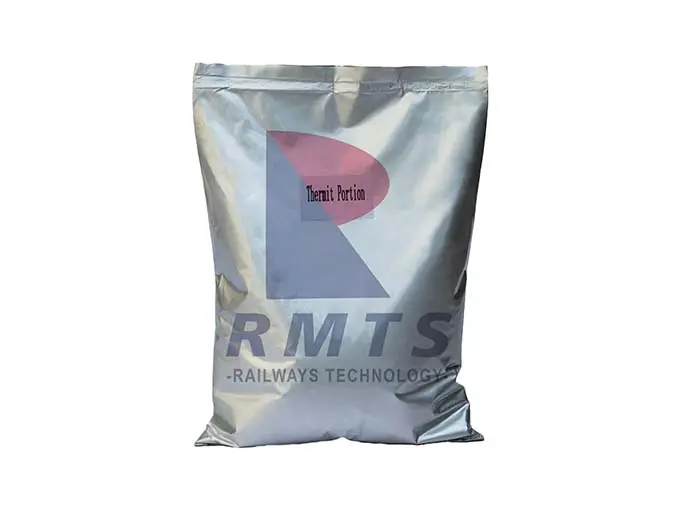
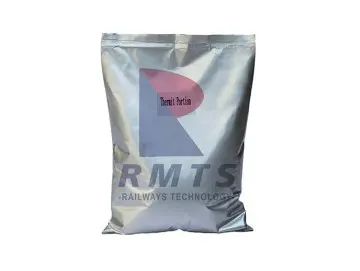
High-Quality Thermite Welding Powder
Detailed Description of the Product
-
What is a Thermit Portion?
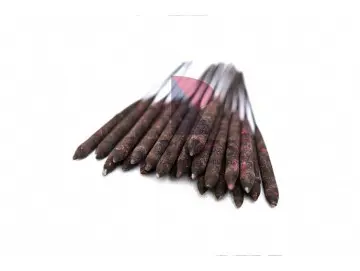
A Thermit portion is a specialized thermite welding powder designed for high-temperature metal joining applications. This welding technique relies on the thermite reaction, a highly exothermic process that produces molten metal, enabling deep penetration and melting and bonding between metal components. It is widely used in the railway industry, steel manufacturing, and heavy engineering sectors for creating durable, seamless joints.
-
Composition and Key Ingredients
The thermite welding powder consists of:• Aluminum powder – Acts as a reducing agent in the reaction.• Metal oxide, typically iron oxide (Fe₂O₃) – Reacts with aluminum to produce molten iron.The composition may be adjusted based on application-specific requirements to ensure optimal performance in different thermite welding processes.
-
How the Thermite Reaction Works
The thermite reaction is a chemical process where aluminum powder reacts with iron oxide (Fe₂O₃), producing molten iron and aluminum oxide.This reaction releases an enormous amount of heat, reaching a reaction temperature of over 2,500°C (4,500°F). The molten iron produced during this process facilitates the melting and bonding of metal components, forming a high-strength weld.
-
Applications of Thermit Portion in Welding
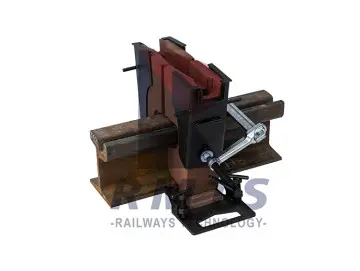
• Railway Track Welding – The most common application of the thermite welding process, ensuring seamless rail joints.
-
Advantages of Thermite Welding Powder
• High-Temperature Capability – Generates sufficient heat to achieve complete melting and bonding of metal parts.• Durable and Strong Joints – Ensures metallurgical bonding without the need for external pressure.• No External Power Required – The thermite reaction is self-sustaining, eliminating the need for electricity or gas.• Corrosion-Resistant Welds – Forms high-purity metal joints resistant to environmental degradation.• Portable and Efficient – Suitable for remote and on-site welding applications, reducing labor and equipment costs.