
Aluminothermic Welding Project Strengthens Rail Infrastructure for the Future
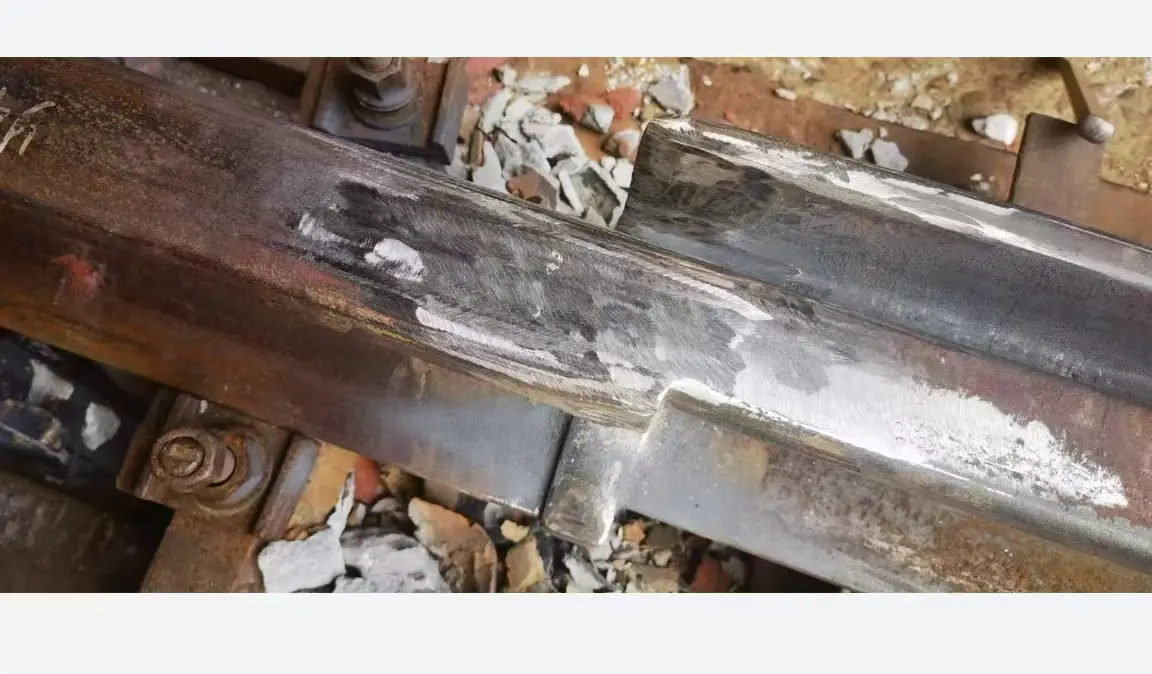
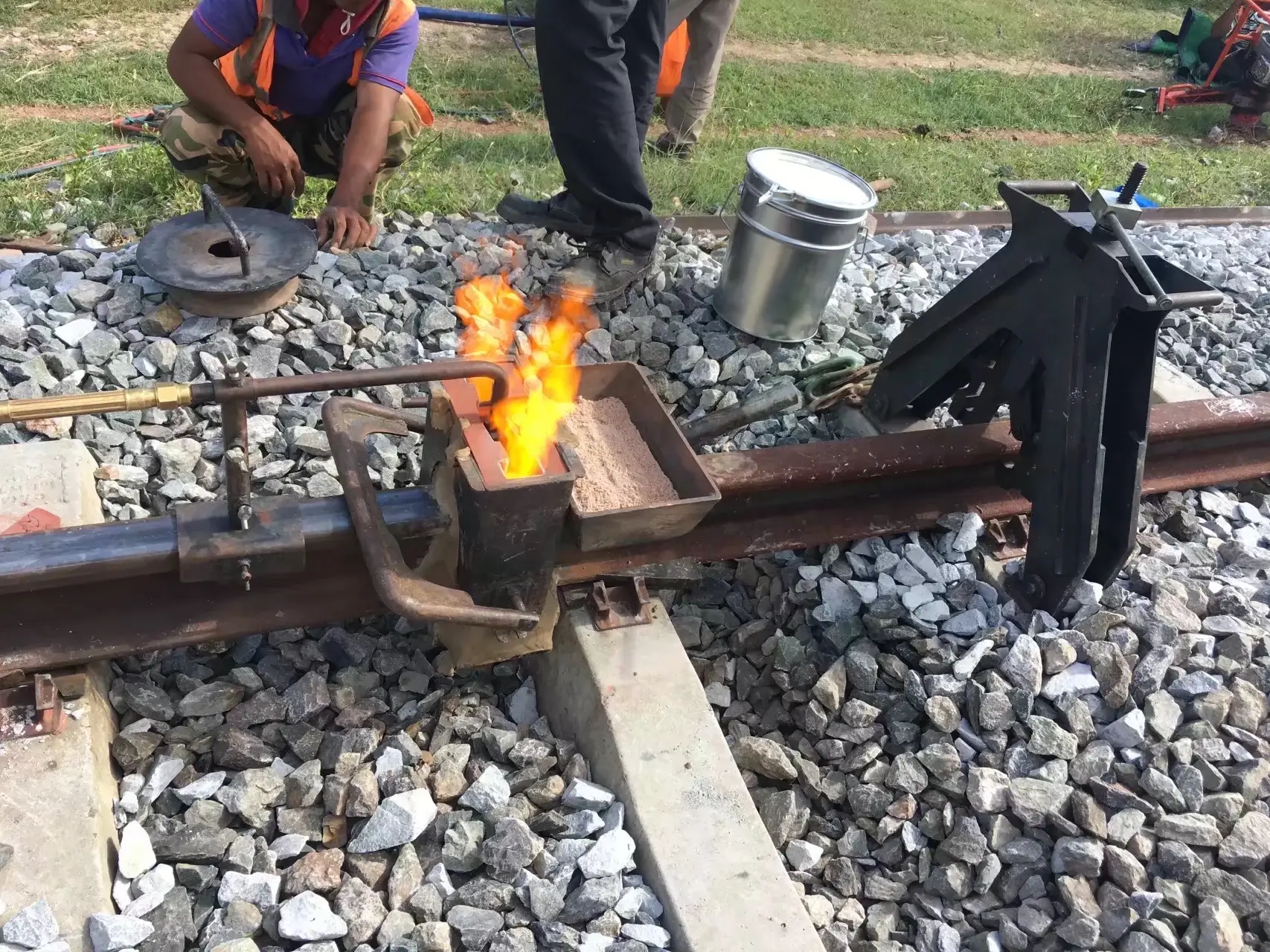
Aluminothermic Welding is a specialized process that joins two rail sections into a single, continuous track. The process relies on a chemical reaction between aluminum and iron oxide to produce molten steel, which fuses the rail ends together. Once solidified, the joint becomes as strong and smooth as the original rail, eliminating gaps and ensuring a continuous, vibration-free surface.
Recently, RMTS Railways Technology successfully completed an aluminothermic welding projectfor a regional railway modernization program. The project involved the welding of over 200 rail joints using advanced Thermit Welding Kits and precision alignment tools. By implementing this technology, the client achieved higher track stability, reduced maintenance requirements, and improved passenger comfort — all essential factors for modern rail systems.
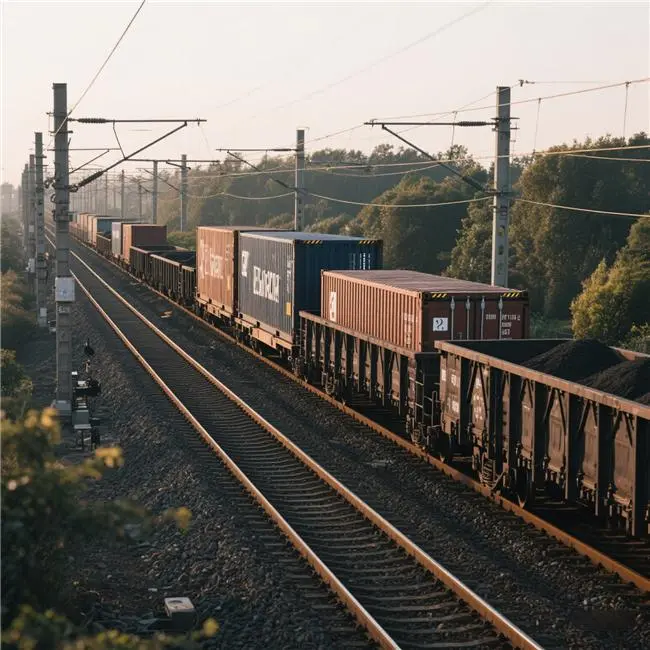
The success of this project highlights the versatility of aluminothermic welding. While it is often associated with high-speed rail systems , it also delivers outstanding performance in urban metros, heavy freight lines, and port terminals . Its ability to produce durable, maintenance-free joints makes it a trusted solution across various rail applications.
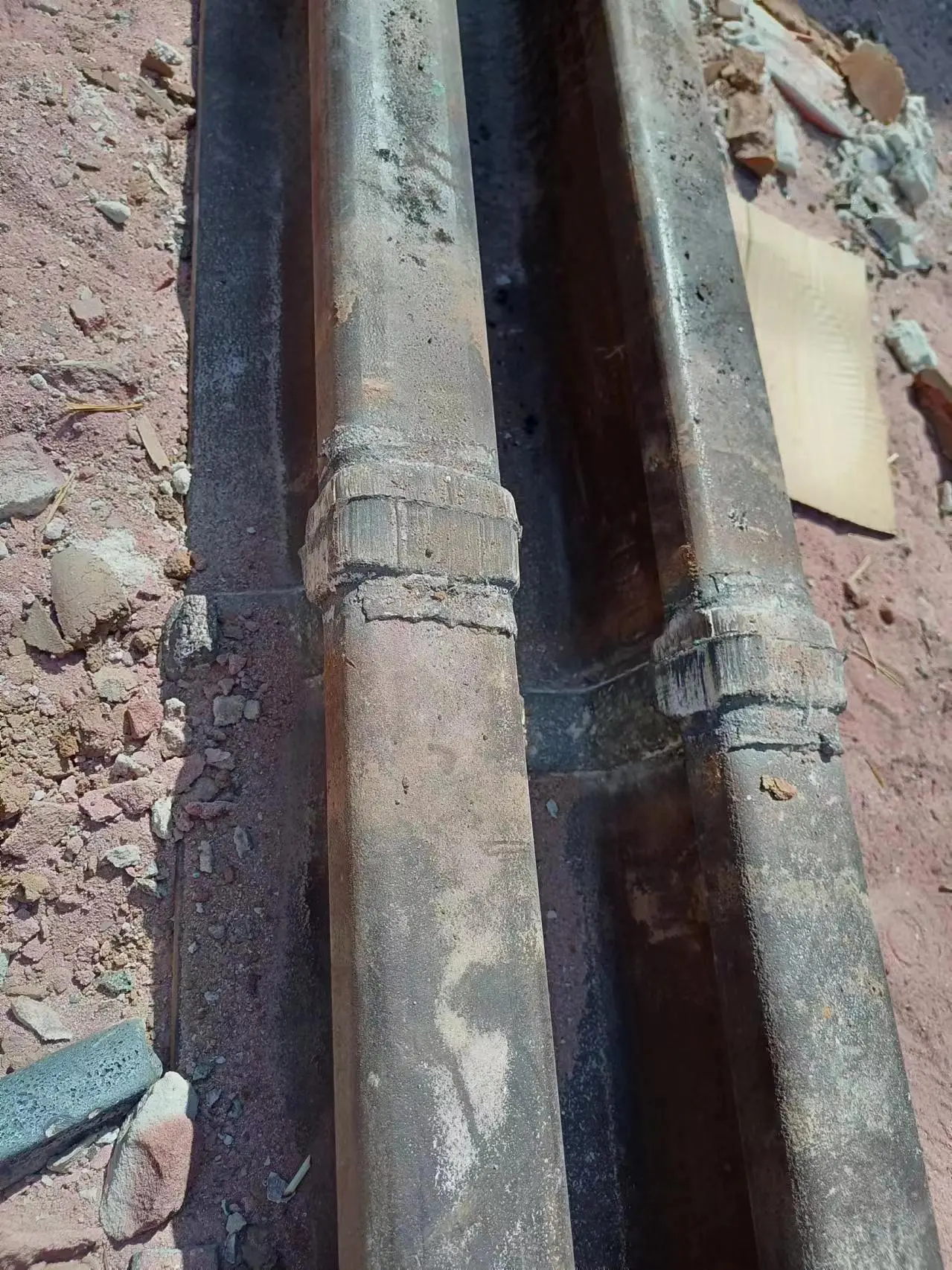
Unlike mechanical joints, which can loosen over time, aluminothermic welds provide long-term structural integrity even under heavy loads and temperature fluctuations. This advantage not only enhances operational safety but also extends the service life of the rail infrastructure.
By combining proven engineering techniques with continuous innovation, 3S continues to promote high-quality aluminothermic welding solutions to rail operators worldwide. Each successful project demonstrates the company’s commitment to improving rail performance, safety, and sustainability.
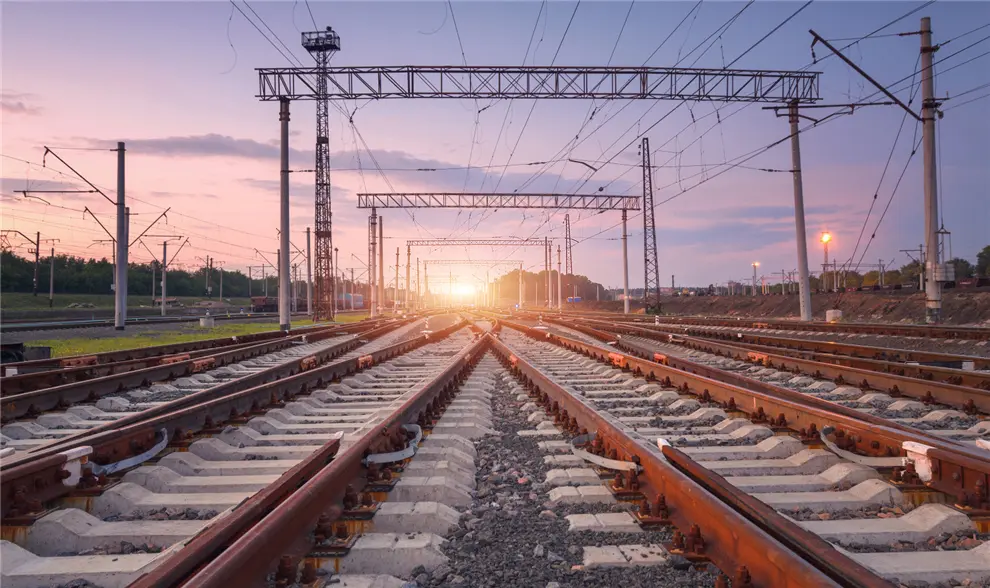
In an era where rail transport is becoming the backbone of global mobility, aluminothermic welding remains one of the most reliable and indispensable technologies in the industry — quietly ensuring that every train runs smoothly, safely, and efficiently.