
Rail Thermite Welding: Advancing Railway Infrastructure
Rail thermite welding has emerged as a pivotal technology in railway track joining and maintenance, outperforming traditional methods with its unique advantages. Also known as Aluminothermic Welding, this technique is gaining global adoption for its efficiency and reliability.
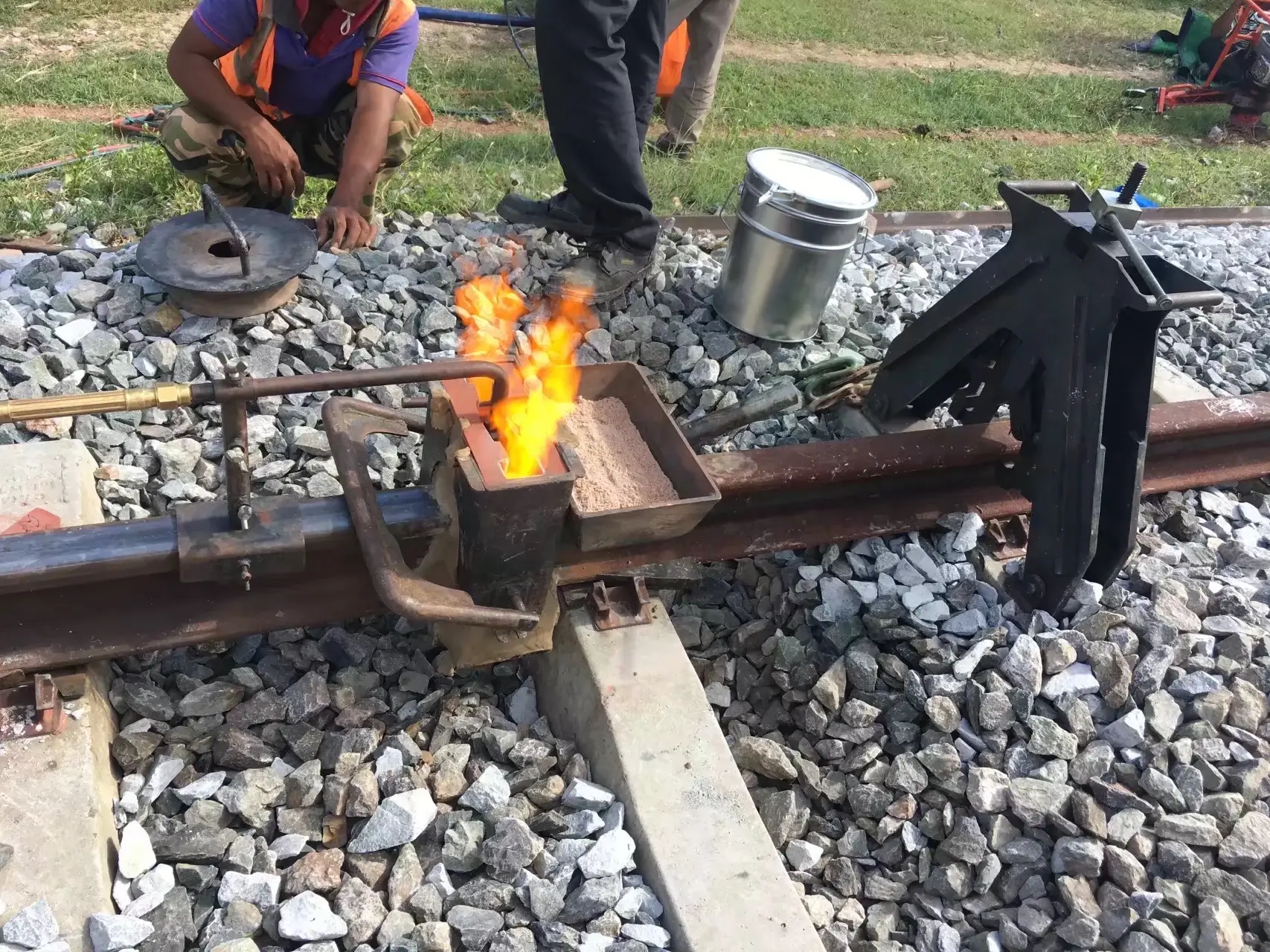
At its core, rail thermite welding relies on a controlled exothermic reaction. A mixture of aluminum powder and iron oxide (thermite) ignites to produce molten iron and aluminum oxide slag, reaching temperatures exceeding 2500°C. This intense heat melts rail materials, forming a strong, permanent bond between track sections.
Portability is a key strength of rail thermite welding. Unlike power-dependent methods, it operates without external energy sources, making it ideal for remote locations, mountainous terrains, or emergency repairs. A small team of trained technicians can execute welds with minimal setup, reducing service disruptions.
Efficiency is another hallmark. A single rail thermite weld typically takes 15–45 minutes, depending on rail type and joint complexity. This rapid turnaround minimizes track downtime—a critical factor in high-traffic networks where delays impact schedules and economics.
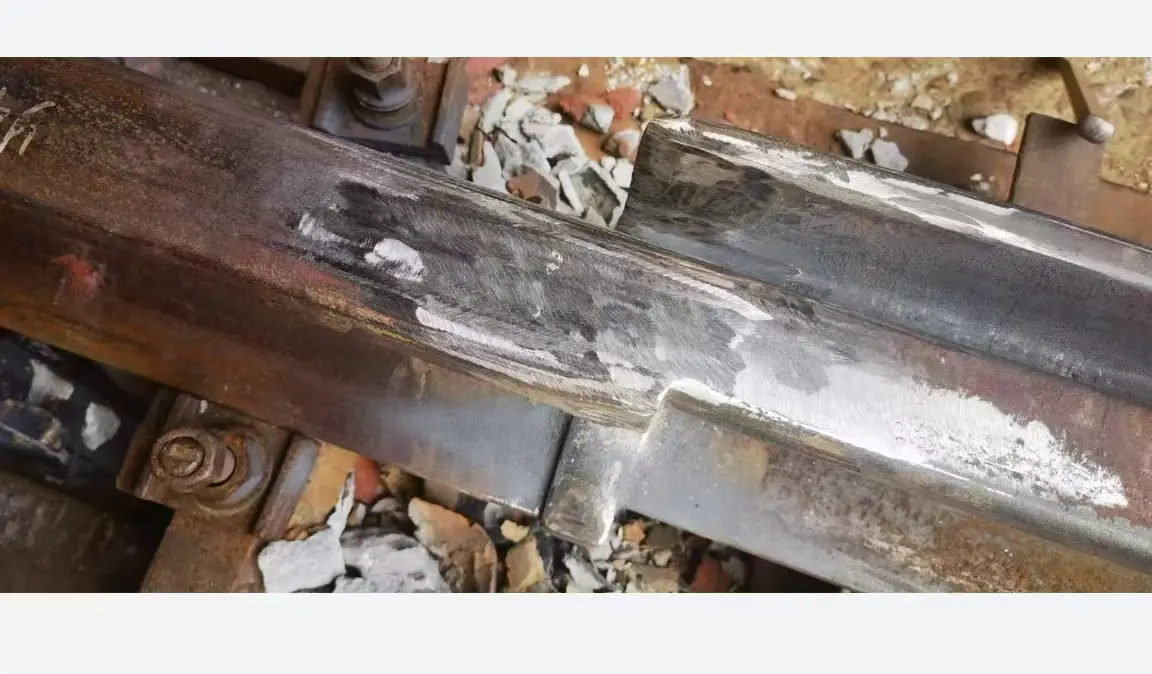
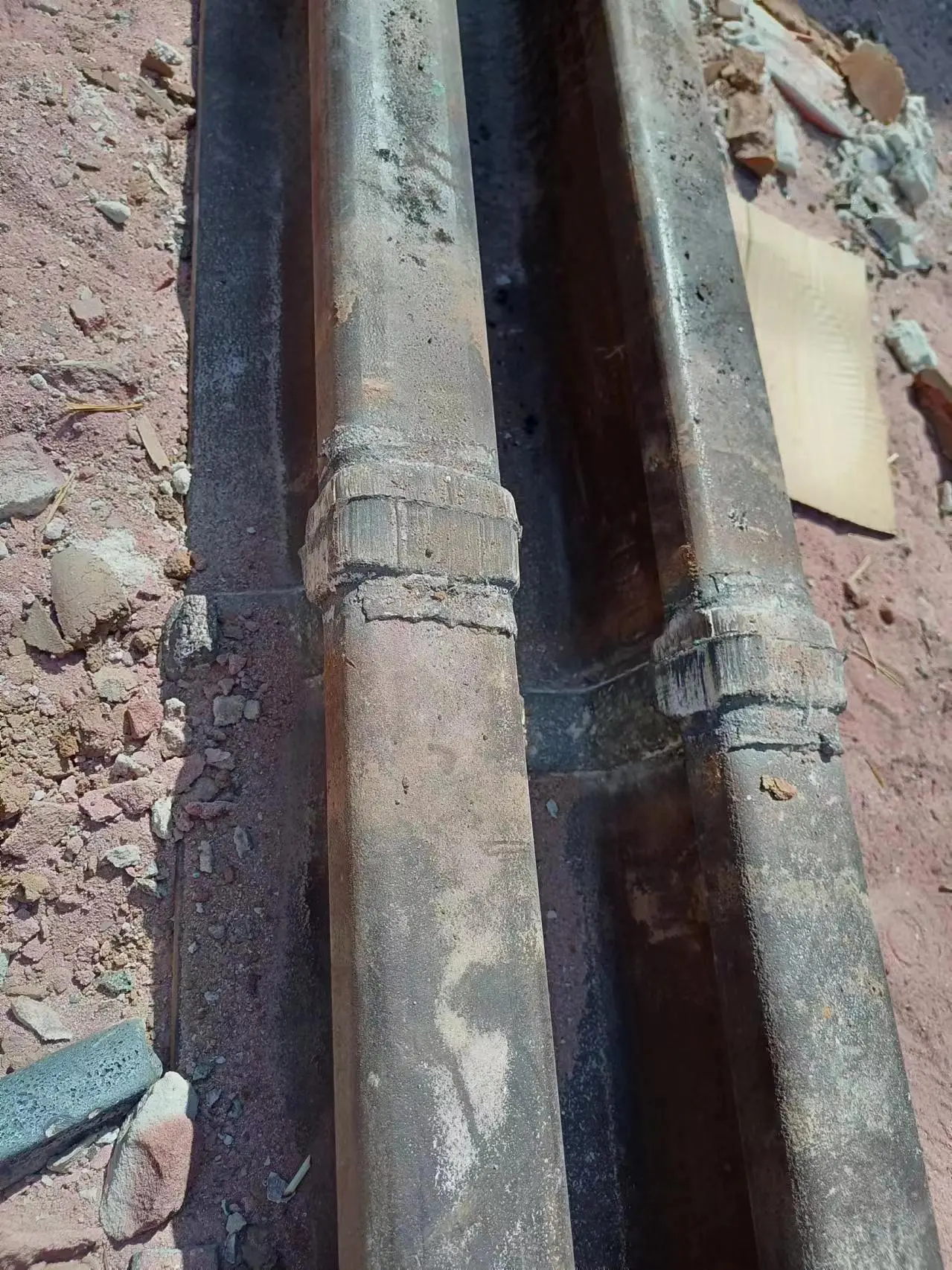
Weld quality is exceptional. Molten iron fills rail gaps precisely, creating seamless joints that enhance ride smoothness and track durability. These joints resist fatigue, wear, and heavy loads, lowering maintenance needs while ensuring operational safety.
Rail thermite welding’s applications span new construction and existing network maintenance. It joins long rail sections for high-speed lines (where smoothness is paramount) and repairs broken tracks or replaces damaged segments. It also secures switches and crossings, where robust connections are vital.
Versatility extends beyond Steel Rails; rail thermite welding works with copper-clad steel and alloys, enabling engineers to select optimal materials without compromising on joining reliability.
Recent advancements are elevating rail thermite welding further. Innovations in thermite formulations improve molten iron flow and volume, yielding stronger, more uniform welds. Advanced monitoring systems now ensure precision and safety during execution.
As global railway networks expand and upgrade, demand for rail thermite welding grows. Its blend of portability, efficiency, and quality positions it to meet the industry’s need for reliable track-joining solutions.
In summary, rail thermite welding is transforming railway infrastructure. With ongoing technological progress and rising demand, it will remain integral to building safer, more efficient, and seamless rail networks worldwide.