
What is Aluminothermic Welding and Why is it Important for Railroads?
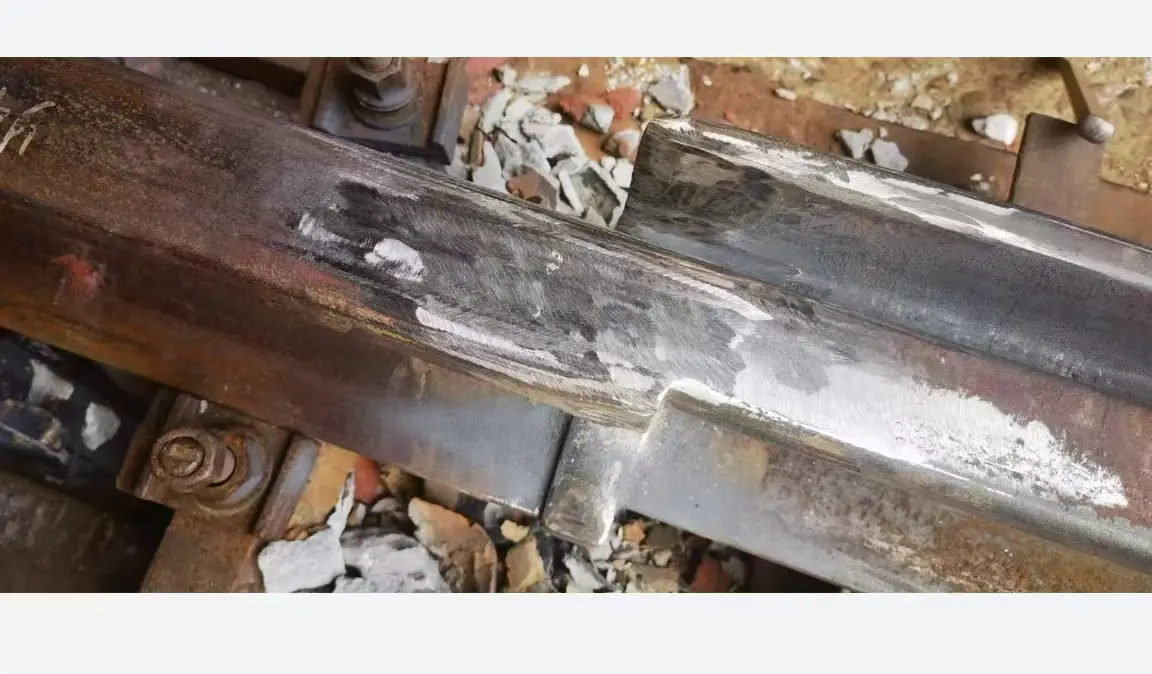
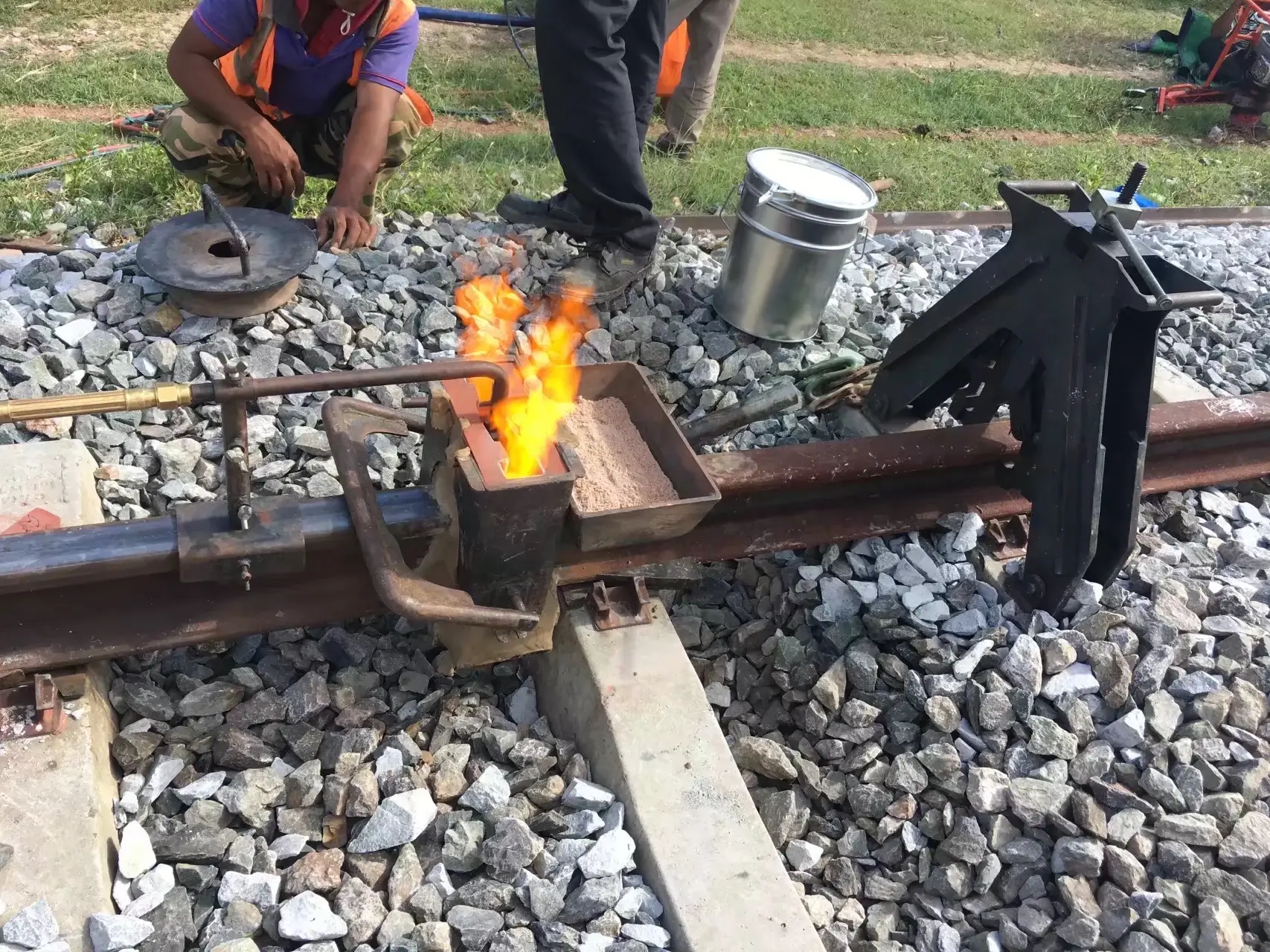
Aluminothermic Welding, often called thermit welding, is a proven and reliable method for joining railway tracks. This technique has been used for more than a century and remains a cornerstone of rail construction and maintenance. The process involves a chemical reaction between aluminum powder and iron oxide. When ignited, this mixture produces extremely high temperatures, creating molten steel. This molten steel is then poured into a mold around the rail ends, fusing them together into a single, solid piece.
The importance of aluminothermic welding in The Railroad Industry is immense. One of its standout features is the strength of the weld it creates. The joint formed is as strong as the rail itself, which is critical for safety and durability. Trains are heavy and place significant stress on tracks, so any weak point could lead to cracks, breaks, or even derailments. By producing a joint that matches the rail’s strength, this method ensures the track can withstand the demands of heavy and frequent use.
Another advantage of aluminothermic welding is its efficiency. Unlike other welding methods that require bulky equipment or long cooling times, this process can be carried out on-site with minimal tools. This makes it highly practical for both new track construction and maintenance work. Its simplicity and speed allow for quick repairs, reducing downtime and keeping rail operations running smoothly.
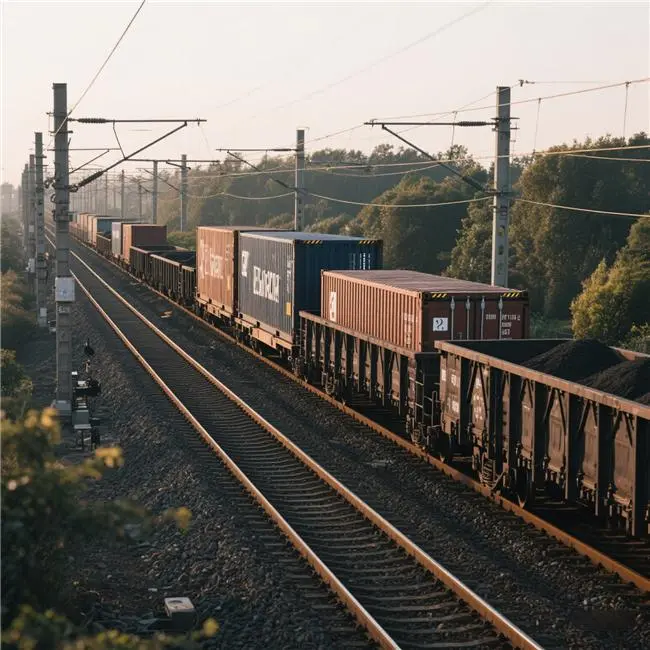
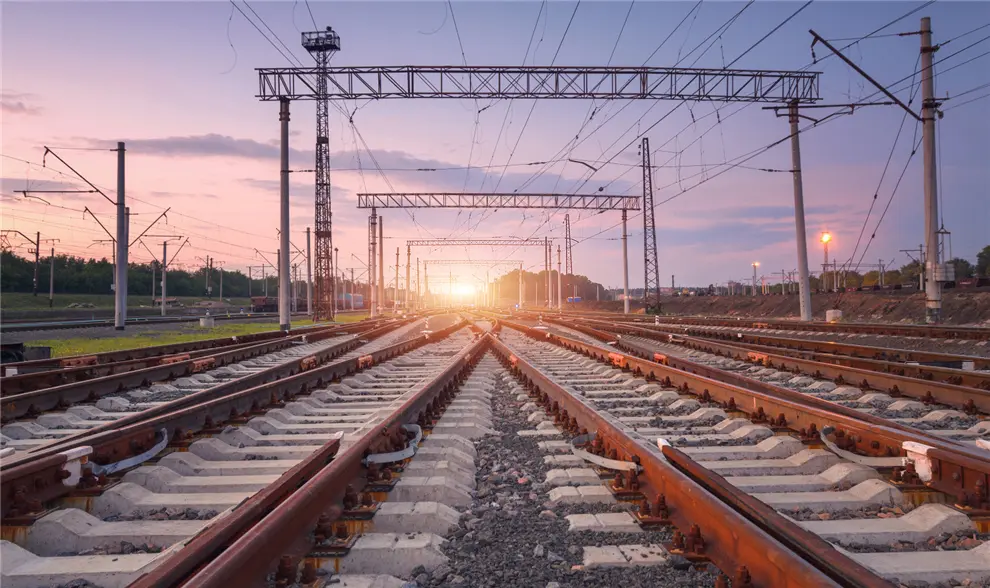
Rail systems around the world rely on aluminothermic welding to maintain their tracks. Whether it’s a busy freight line, a high-speed passenger route, or an urban metro system, this method ensures trains can operate safely and efficiently. Its ability to create seamless, durable joints has made it an essential part of modern rail infrastructure. In an industry where safety and reliability are top priorities, aluminothermic welding continues to deliver as a trusted and effective solution. Its long history of success and adaptability to various rail applications highlight its enduring value in keeping trains on track.