2026 Top Rail Welding Technology Innovations for Buyers?
As the rail industry evolves, advancements in Rail Welding Technology become essential for buyers to explore. The year 2026 promises innovative solutions that aim to enhance efficiency and safety in rail construction and maintenance. Buyers must stay informed about these technological changes, as they directly impact project outcomes.
Emerging trends in Rail Welding Technology will focus on sustainability and automation. Modern welding techniques reduce waste and improve accuracy. For instance, automated welding systems offer consistent quality, which is vital for long-term structural integrity. These innovations can also minimize disruptions during construction, allowing projects to stay on schedule.
However, not all advancements are without challenges. Buyers should critically assess the reliability of new technologies. Some might promise efficiency, but their implementation can lead to unforeseen complications. Thus, understanding both the benefits and limits of these innovations is crucial for making informed purchasing decisions. Staying updated with the latest trends and developments in Rail Welding Technology will ultimately empower buyers to optimize their strategies effectively.
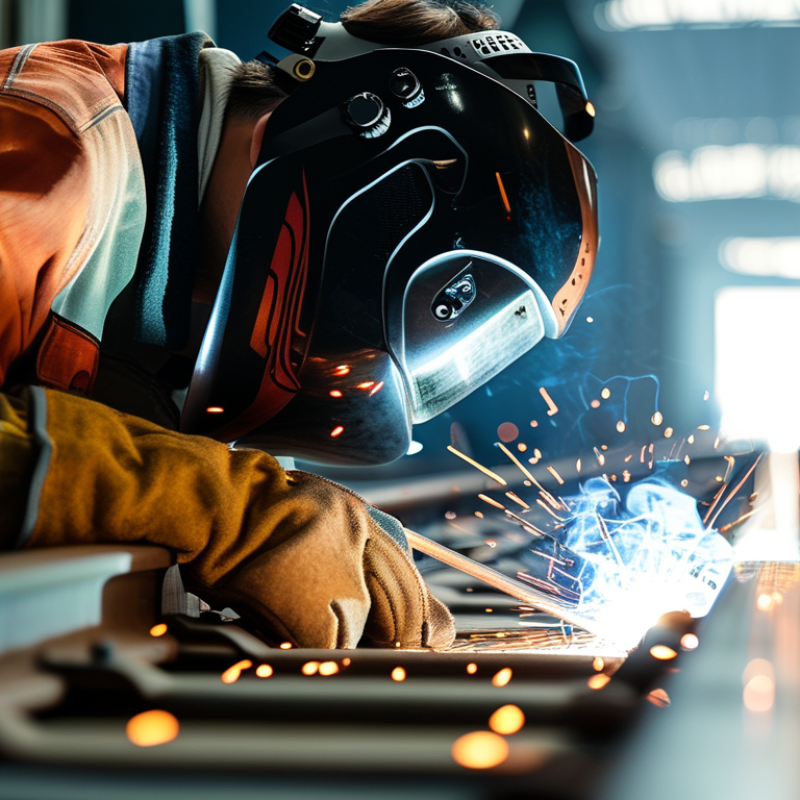
Overview of Rail Welding Technology in 2026
In 2026, rail welding technology is on the brink of significant advancements. These innovations focus on improving efficiency and safety in rail construction and maintenance. The new automated systems promise to minimize human error and increase production rates. The integration of AI is set to revolutionize how welds are inspected. Smart sensors will ensure that each weld meets strict quality standards.
However, challenges remain. The transition to advanced technology requires training for workers. This can be a daunting task. Many employees may feel overwhelmed by new systems. Additionally, the cost of implementing these technologies can be high. Companies must weigh the investment against potential benefits.
Sustainability is another focus area. In 2026, eco-friendly welding processes are becoming more prominent. These methods reduce emissions and waste. However, the reliability of new materials is still being tested. Industry leaders must continue to evaluate their effectiveness in real-world scenarios. As rail infrastructure grows, these innovations will play a critical role in shaping its future. The journey ahead is filled with potential yet requires careful navigation.
2026 Top Rail Welding Technology Innovations for Buyers
| Innovation |
Description |
Technology Type |
Key Benefits |
Expected Adoption Rate (%) |
| Automated Welding Robots |
Robotic systems that enhance efficiency and precision in welding. |
Robotic Welding |
Increased speed, reduced labor costs, consistent quality. |
75% |
| Laser Welding |
Utilizes laser technology for high precision in rail joining. |
Laser Technology |
Minimal thermal distortion, deep penetration, high speed. |
60% |
| Friction Stir Welding |
A solid-state welding process ideal for aluminum rail components. |
Solid-State Welding |
Strong joints, low energy consumption, suitable for various materials. |
50% |
| Sensor-Enabled Weld Monitoring |
Real-time monitoring of weld quality using advanced sensors. |
Quality Control Technology |
Immediate feedback, enhanced quality assurance, reduced rework. |
65% |
| Hybrid Welding Techniques |
Combines different welding methods for optimal results. |
Hybrid Welding |
Enhanced flexibility, improved joint characteristics, efficient for different materials. |
55% |
Key Innovations in Rail Welding Equipment and Machines
As the rail industry evolves, advanced welding technologies are paving the way for enhanced efficiency and safety. Innovations in rail welding equipment focus on precision and durability. For example, new ultrasonic testing methods help detect flaws early in the welding process. This proactive approach reduces the risk of failures during operation.
Moreover, automated welding machines are gaining traction. They offer uniformity and faster production rates, which is essential for large-scale projects. These machines can operate in challenging environments, ensuring consistent quality. Yet, dependence on automation raises concerns about skill gaps in the workforce. Training programs should address this to maintain a skilled labor force.
Additionally, portable welding solutions are becoming crucial for maintenance tasks. These tools allow for quick repairs on-site, minimizing downtime. Their lightweight design makes them accessible for various applications. However, their effectiveness relies on the operator's experience. Thus, ensuring that workers are well-trained is vital for maximizing the benefits of these innovations.
Advancements in Welding Materials for Enhanced Durability
In recent years, the welding industry has embraced new materials that significantly enhance durability. These advancements improve the resilience of welded structures. For instance, high-performance alloys and composite materials are now more commonly used. They resist corrosion and significantly extend the lifespan of welded products. With prolonged exposure to harsh environments, traditional materials often fail, leading to repairs and maintenance costs.
The development of new welding filler materials is key. These fillers are designed to match the strength and flexibility of the base metals. This ensures integrity in the final product. Another innovation is the incorporation of nanotechnology into welding materials. This creates a stronger bond at a microscopic level. However, implementing these technologies requires careful consideration of cost and feasibility. Not all projects can justify the expense, which is a critical reflection point for buyers.
Additionally, as companies seek to adopt these materials, they must invest in training. Skilled workers are necessary to handle advanced welding techniques. The transition can be challenging. It highlights the need for ongoing education and adaptation in this evolving industry. Embracing these innovations is a step forward. Still, stakeholders must weigh the benefits against their specific needs and capabilities.
2026 Innovations in Rail Welding Technology: Material Advancements
Automation and Robotics in Rail Welding Processes
Automation and robotics are revolutionizing rail welding processes. These innovations improve efficiency and precision in welding tasks. Traditional methods often result in inconsistencies and human errors. In contrast, robotic systems offer uniformity and can perform repetitive tasks with high accuracy.
Adopting automated welding technologies poses challenges. Integrating new systems requires training and adjustment. Workers may feel apprehensive about job security. However, these systems can enhance safety by reducing exposure to hazardous environments. Moreover, trained operators can focus on more complex tasks that require critical thinking.
Many companies are experimenting with hybrid models. These combine skilled labor with automated solutions. Such approaches have yielded promising results, yet they still face the hurdle of cost. Implementing robotics requires significant investment. Ultimately, the journey toward automation in rail welding demands both strategic planning and reflection on workforce dynamics.
Sustainability Trends in Rail Welding Technology
Sustainability is reshaping rail welding technology. A recent report indicates that approximately 30% of the global rail industry is now focused on green innovations. This shift is driven by the need to reduce carbon footprints and enhance operational efficiency. Welding methods utilizing renewable energy sources are emerging. These technologies not only lower emissions but also reduce energy costs.
Incorporating eco-friendly materials is another trend. For instance, the adoption of low-fume welding wires can drastically decrease harmful emissions. Studies show that low-fume technologies can cut emissions by over 50%. There is an increasing emphasis on recycling old materials. This practice minimizes waste and promotes a circular economy within the rail sector.
Despite advancements, challenges remain. Many companies struggle with the transition to sustainable options due to higher initial costs. There is ongoing debate regarding the long-term benefits versus short-term expenses. Additionally, training workers in new methods can be a significant hurdle. The industry must address these issues to ensure future growth.