How to Use Aluminothermic Welding for Rail Joints?
Aluminothermic welding rail joints is a vital process in railway construction and maintenance. This method ensures strong and durable connections between rail pieces, enhancing overall track stability. Aluminothermic welding uses a chemical reaction to generate heat, effectively fusing the materials together.
However, the process requires careful planning and skilled execution. Improper techniques can lead to joint failures, potentially causing accidents. Understanding the equipment, materials, and safety measures is crucial. Effective training and experience are essential to achieve reliable results.
Railway professionals must focus on the intricacies of aluminothermic welding. The right choice of alloys, timing, and application techniques are necessary for success. Reflecting on previous projects can provide insights into improving practices. Continuous learning in this field enhances both safety and efficiency in rail operations.
Understanding Aluminothermic Welding: Basics and Applications
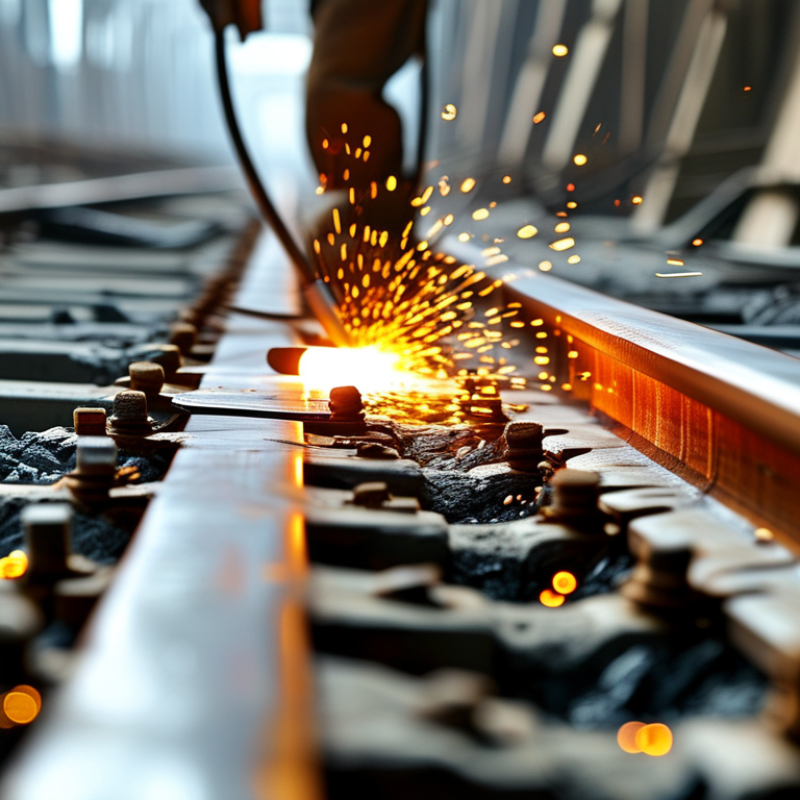
Aluminothermic welding is a vital technique used in joining rail tracks. This method involves a chemical reaction between aluminum powder and iron oxide. The reaction generates intense heat, enabling the molten steel to create a strong bond at the junction of rail sections. The process is widely preferred because it requires minimal setup and can be performed in various environmental conditions. However, achieving consistent weld quality can be a challenge.
The application of aluminothermic welding extends beyond basic rail joints. It is commonly employed for repairing damaged rails and creating permanent joints in tracks. These welds are durable and can withstand heavy loads and extreme weather. Nevertheless, improper execution may lead to flaws. Factors such as temperature control and material preparation play critical roles. If the rail ends are not preheated, the results can be subpar.
Understanding the principles behind aluminothermic welding allows for better execution of rail joint connections. While it is efficient, attention to detail is crucial. Welders must ensure cleanliness and precision during preparation. Any oversight could lead to structural weaknesses. The process is indeed powerful, but it requires skill and experience to execute correctly. Continuous learning and adaptation within this field are essential for achieving high-quality welds.
How to Use Aluminothermic Welding for Rail Joints?
| Parameter |
Description |
Value |
| Temperature |
Welding temperature required for reaction |
Approx. 1500°C |
| Material Used |
Base materials commonly used in the process |
Steel and Aluminum |
| Weld Time |
Time taken to complete the welding process |
5-10 minutes |
| Application Areas |
Where aluminothermic welding is typically applied |
Rail joints, track repairs |
| Safety Measures |
Necessary precautions during the welding process |
Protective gear, fume extraction |
Essential Equipment for Aluminothermic Welding in Rail Joints
Aluminothermic welding is a precise method used for joining rail tracks. To perform this technique effectively, specific equipment is crucial. First, a welding mold is necessary. This mold shapes the molten aluminum and ensures a solid bond between the rail ends. Also, you will require an ignition system. This system initiates the aluminum reaction, producing the high temperatures needed for welding.
In addition, proper safety gear is vital. Welders should wear heat-resistant clothing and use goggles to protect against sparks. A portable fume extractor can help manage smoke during the process. While the equipment is essential, it’s also important to note that operator training cannot be overlooked. Proper training enhances welding quality and reduces the risk of accidents.
Reflecting on past experiences, many rail workers have faced challenges with equipment quality and setup. Sometimes, critical components are missing, leading to delays. Mistakes can occur if operators are not adequately trained. These issues highlight the need for thorough preparation and continuous improvement in operations.
Step-by-Step Process for Executing Aluminothermic Welds
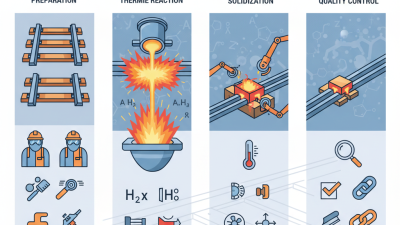
Aluminothermic welding is a preferred technique for joining rail tracks due to its strength and durability. The method relies on a chemical reaction between aluminum powder and iron oxide. This reaction produces molten steel that forms a solid bond. A careful step-by-step process must be followed to achieve optimal results.
Preparation is key. Start by cleaning the surfaces of the rail to remove rust and debris. The joint should fit tightly. This ensures that the heat generated during the weld is efficiently transferred. Data from various industry studies show that properly prepared surfaces can increase joint strength by as much as 30%. This preparation often goes overlooked, but it can drastically affect the outcome.
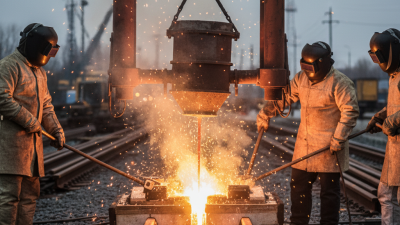
The next step involves mixing the aluminum and iron oxide in a crucible. This mixture is ignited, producing molten metal. Proper timing during the pouring phase is crucial to prevent defects. After the weld cools, grinding and finishing work is necessary. Inadequate finishing can lead to stress points, which can compromise the joint's integrity. A documented 15% of joints fail due to improper finishing techniques, underscoring the importance of attention to detail.
Aluminothermic Welding for Rail Joints - Data Analysis
Safety Precautions During Aluminothermic Welding Operations
During aluminothermic welding, safety is a paramount concern. Proper protective gear is essential. This includes
flame-retardant clothing, gloves, and face shields. In the welding process, molten metal can splatter. Therefore, it is vital to have
fire extinguishers nearby. The high temperatures generated may reach up to
2,500 degrees Celsius. For this reason, adequate ventilation is also necessary. Fumes produced can be harmful if inhaled in closed environments.
Additionally, awareness of the surroundings is crucial. Work areas should be clear of flammable materials. A
study by the National Safety Council emphasizes that over
30% of welding accidents result from unsafe environments. Knowledge of the properties of aluminum and among workers can prevent serious injuries. Training sessions are beneficial. They can reinforce safety protocols and best practices. Ensure that all team members understand potential hazards.
Proper implementation of these precautions is vital. The data highlights that safety lapses often lead to accidents. In a
2020 report, incidents due to inadequate safety measures were noted in
25% of cases. Continuous improvement in safety culture can significantly reduce these risks. Regular audits and assessments of safety procedures may be necessary to ensure compliance. This creates a safer working atmosphere for everyone involved in aluminothermic welding.
Common Pitfalls and Troubleshooting in Aluminothermic Rail Welding
Aluminothermic welding is an effective method for joining rail tracks, but several common pitfalls can arise during the process. One frequent issue is improper preparation of the rail surfaces. Inadequate cleaning can lead to contaminants affecting the weld quality. It's crucial to remove rust, paint, and other debris thoroughly. A simple wipe-down is not enough; professionals need to use approved cleaning methods to ensure a strong bond.
Another common challenge involves the temperature of the aluminum reaction. If the charge is too cool, it can result in weak welds. Conversely, excessive heat can compromise the rail's integrity. Always monitor the temperature closely and ensure that the materials are heated evenly. This attention to detail is essential for achieving optimal results in every weld.
Familiarity with the tools is also critical. Inexperienced operators may struggle with the welding machine, leading to uneven results. Regular training and practice can mitigate this risk. A reflective approach is essential; operators must review past projects to identify mistakes. It's a continuous cycle of improvement that can elevate the quality of rail welding over time.