How to Perform Thermit Rail Welding Effectively?
Thermit Rail Welding is a crucial process in the rail industry. It provides a strong and durable connection between rails. Understanding its effective execution is essential for railway professionals. This process utilizes the heat generated by a thermite reaction to melt steel and create a seamless joint.
Working with Thermit Rail Welding requires precise preparation. The surfaces must be clean and aligned correctly. Any imperfections in the joint can lead to future complications. Proper safety measures must also be in place. The heat generated can be intense and poses risks.
Experience in the field is vital. Each welding scenario may present unique challenges. Understanding these factors can enhance the welding outcome. This guide will explore effective techniques in Thermit Rail Welding that promote efficiency and safety.
Understanding the Basics of Thermit Rail Welding
Thermit rail welding is a highly efficient method used to join rail tracks. This process involves a chemical reaction between aluminum powder and iron oxide. The result is molten iron that fuses the rails together. According to an industry report by the International Association of Railways, using thermit welding can increase track durability by up to 30%.
Understanding its basics helps improve the overall process. Safety is crucial, as the welding involves extreme temperatures, often exceeding 2,500 degrees Celsius. Proper protective gear and trained personnel are essential. Many operators overlook safety protocols, leading to accidents and project delays.
Thermit welding requires precise preparation. Any contamination can result in poor weld quality. A study by the American Welding Society noted that nearly 20% of thermit welds fail due to inadequate surface cleaning. Rail alignment is also vital; even minor discrepancies can lead to significant stress and potential rail failure. Monitoring these factors can drastically enhance the welding outcome and extend the life of railway infrastructure.
Essential Tools and Materials for Effective Thermit Welding
When looking to perform thermit rail welding effectively, having the right tools and materials is vital. Essential tools include a thermit welding kit, which consists of molten metal, a furnace, and molds. A clean, well-prepared surface ensures better fusion, reducing the chances of defects. The quality of your raw materials must meet industry standards to guarantee a strong bond between rails. Research has shown that using high-purity aluminum and iron oxide can significantly improve the strength of the weld.
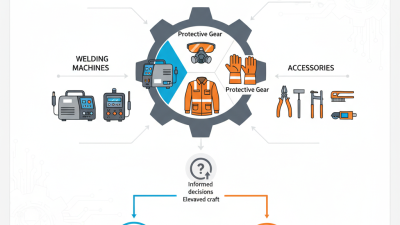
To set up for a successful weld, protective gear is a must. Welders should wear heat-resistant gloves, goggles, and a hard hat. The working environment should be safe, with adequate ventilation and fire safety measures in place, especially since high temperatures are involved. Not adhering to safety protocols can lead to serious accidents.
Tips: Always verify the specifications of the welding materials against the latest industry standards. Regular checks of your tools can also help in preventing errors. In some cases, weld quality issues arise from overlooked details. Another aspect to consider is the timing during the welding process; delays can affect the molten metal's properties. Smaller defects can be addressed promptly, but poor preparation often leads to bigger issues later on.
Step-by-Step Procedure for Thermit Rail Welding
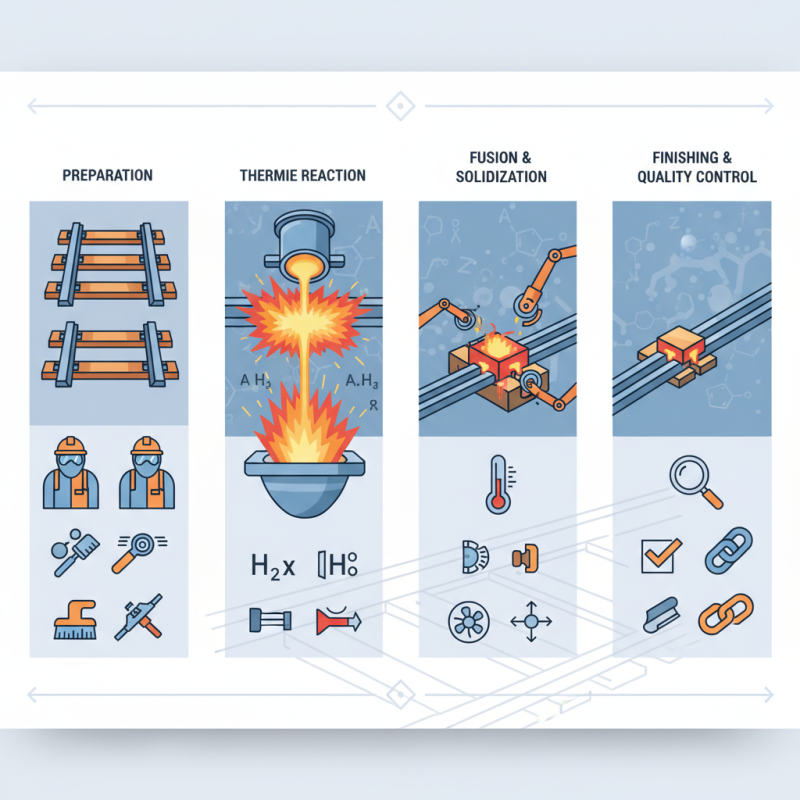
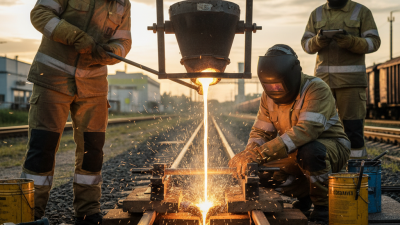
Thermit rail welding is a widely-used method in the railway industry for joining rails. The process involves a chemical reaction between aluminum powder and iron oxide, resulting in molten steel that fuses the rail ends. Proper execution is crucial for ensuring safety and durability.
One effective procedure starts with preparing the rails. Clean the surfaces to remove rust, oil, and dirt. Gaps must be minimized to ensure a strong bond. According to industry reports, proper rail alignment significantly reduces failure rates. After alignment, setup the thermal welding apparatus and mix the thermit ingredients. This reaction produces heat exceeding 2500 degrees Celsius.
Tips: Always wear proper protective gear. Ensure ventilation to prevent inhaling fumes. Prepare a fire extinguisher nearby as a precautionary measure.
After the reaction, let the weld cool gradually. Rapid cooling may lead to cracking and weakened joints. Regular inspections post-welding ensure long-lasting results. Research indicates that weld quality directly impacts rail integrity and maintenance cost. Consistency in execution is vital. It's easy to overlook details in hectic environments, but overlooking these can lead to costly mistakes.
Thermit Rail Welding Temperature Analysis
Safety Precautions During Thermit Rail Welding
Thermit rail welding is an efficient technique for joining rails. However,
safety should always come first. The process involves molten metal, which can lead to serious hazards. Proper
safety measures are essential for everyone involved.
Welders must wear personal protective equipment (PPE) such as heat-resistant gloves, goggles, and
protective clothing. These items prevent burns and eye injuries from sparks. Establish a safe work area, free from
flammable materials. This reduces the risk of fire. It’s vital to have a fire extinguisher nearby. Everyone should
know how to use it.
Training is critical for all personnel. Each team member
must understand the risks involved. They should also be familiar with emergency procedures. Regular safety drills
can enhance preparedness. Reflecting on past incidents can provide valuable lessons. Remember, even small oversights
can lead to severe consequences. Stay alert and prioritize safety at
every step.