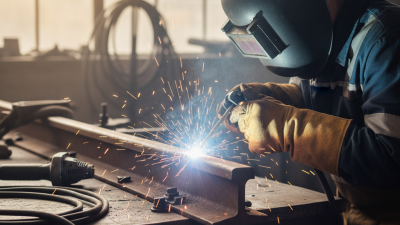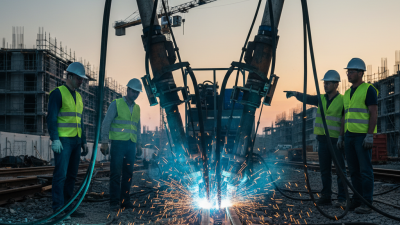
Choosing the right Rail Welding Technology in 2026 requires more than comparing equipment prices. Rail operators must examine track access, rail profiles, traffic density, climate, and maintenance capacity. A welding method that performs well in a controlled workshop may struggle beside an active line. Real conditions matter.
Mobile flash butt welding offers consistent heat control and strong productivity for long construction projects. Thermite welding remains useful where heavy equipment cannot reach isolated locations. Automated monitoring can record temperature, pressure, alignment, and weld quality. These records support traceability and strengthen maintenance decisions. Skilled technicians still matter. Technology cannot correct poor preparation, inaccurate alignment, or careless inspection.
Safety, compliance, and lifecycle cost should guide every selection. Buyers should request verified test results, operator training plans, spare-part support, and references from comparable rail networks. Independent inspection adds confidence, especially when projects involve high axle loads or harsh weather. The cheapest system may create hidden costs through rework and possession delays.
No single method wins everywhere.
A practical evaluation should compare weld strength, cycle time, energy use, portability, training requirements, and long-term reliability. Experience from previous projects can reveal problems that brochures overlook. However, experience may also create bias. A familiar process is not automatically the best process for 2026. This guide examines the key technical and operational questions, helping decision-makers choose a welding solution that is dependable, measurable, and suited to real railway conditions.
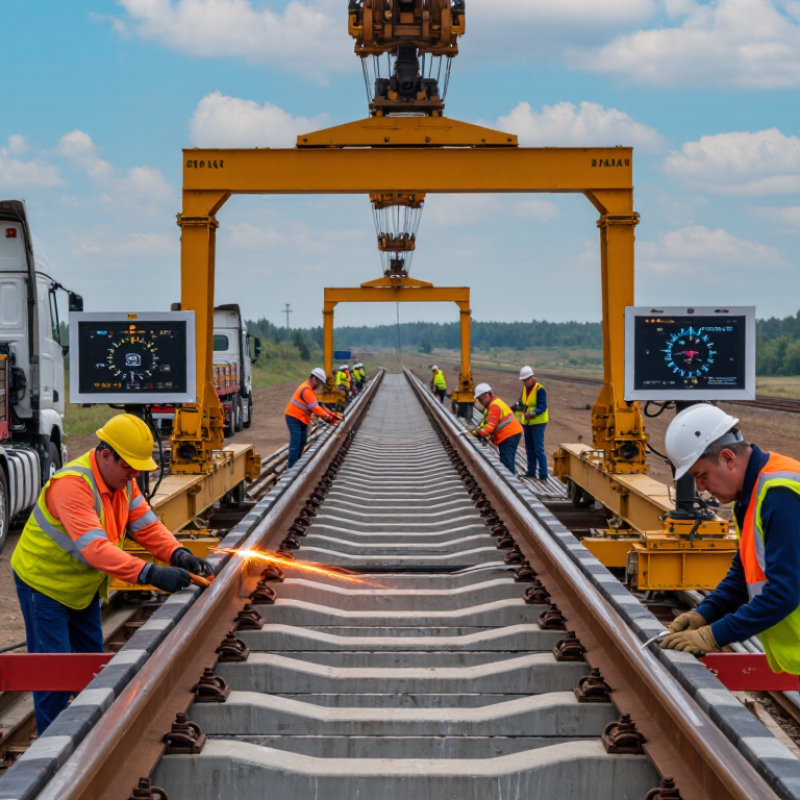
Rail welding technology joins rail sections into continuous welded rail. It reduces joints, vibration, noise, and wheel impact. The main methods include flash-butt welding, aluminothermic welding, and mobile electric welding. Each method fits different site conditions, rail profiles, and maintenance schedules.
The International Energy Agency’s The Future of Rail reports that rail carries about 8% of global passengers and 7% of freight movement. It uses roughly 2% of transport energy demand. Reliable welds support this efficient system. Flash-butt welding suits controlled workshops and high production volumes. Aluminothermic welding works well during remote repairs. Mobile welding helps renew long track sections with limited possession time. However, a perfect weld on paper may fail after poor alignment, contamination, or weak inspection.
Tips: Check rail chemistry, weather, access, and traffic windows before selecting a method. Use calibrated equipment and verify temperature control. Non-destructive testing should follow every critical weld. Record operator qualifications, weld parameters, and inspection results. The Federal Railroad Administration’s Track Safety Standards stress geometry, rail integrity, and inspection discipline. These details often decide service life more than the welding label. I would not select technology from purchase price alone. Maintenance access can change the real cost within months. EN 14730-2 and comparable national standards also provide useful qualification guidance, but local rules still require careful review.
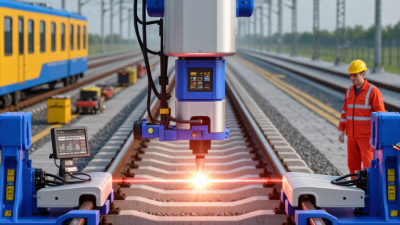
Choosing rail welding technology in 2026 starts with the track’s real working conditions. Traffic density, axle loads, curve radius, climate, and maintenance windows all affect the decision. A method that performs well on a dry test section may struggle beside a wet coastal line. Field engineers should inspect joint geometry, rail grade, and existing equipment before comparing specifications. Measure twice.
Productivity matters, but quality control matters more. Compare welding cycle time, energy use, operator training, and heat-affected zone consistency. Ask for independently verified test data, inspection records, and documented procedures. Non-destructive testing should fit the production pace without becoming a rushed formality. Safety systems must control sparks, fumes, electrical hazards, and hot metal near workers. Small details matter.
Reliability also depends on support after installation. Check spare-part availability, calibration needs, software updates, and technical response times. Training should include practice in wind, rain, and restricted night shifts. Total cost should include downtime, rework, rail grinding, and inspection. Do not consider purchase price alone. I would challenge optimistic service-life claims. Local results may differ. A pilot section, monitored through several maintenance cycles, can expose weaknesses before wider deployment. Record temperatures, defect rates, and operator feedback, then revise the criteria when evidence disagrees with initial assumptions.
Choosing rail welding technology in 2026 starts with site reality, not a fashionable equipment list. Flash-butt welding uses controlled electrical resistance and hydraulic pressure. It can produce consistent joints in a plant or mobile production unit. Operators still need stable power, accurate alignment, and disciplined parameter control. A small mismatch during upsetting can leave a defect beneath a clean surface.
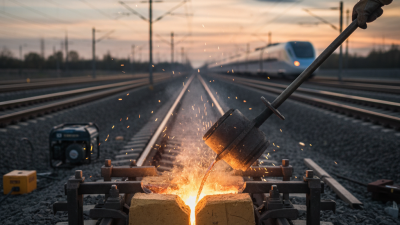
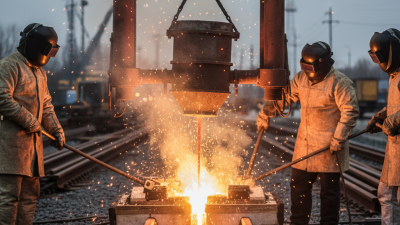
Thermite welding remains practical where track access is difficult or electrical capacity is limited. A prepared mould, preheated rail ends, and verified alloy charge create the joint on site. The process is portable, but it is not simple. Moisture, poor gap measurement, or rushed preheating can affect fusion and hardness. Skilled technicians must inspect the weld, remove excess metal, and check the profile with gauges. It often suits repairs and isolated closures, although production speed may disappoint planners.
Gas pressure welding heats aligned rail ends with a controlled flame, then joins them under pressure. It avoids a separate weld-metal charge and can deliver a compact joint when temperature and force remain stable. The method demands clean rail faces, reliable hydraulic equipment, and careful flame adjustment. Wind, rain, and night work make those controls harder. My view is slightly uncomfortable: teams sometimes choose familiar methods, not suitable ones. Compare access, cycle time, inspection capability, training, and maintenance records before deciding.
Comparing Flash-Butt, Thermite, and Gas Pressure Welding Methods
The chart uses a 1–5 engineering index based on commonly reported process characteristics: higher scores indicate better performance for the stated criterion. Flash-butt welding generally provides the most consistent joint quality and fastest production cycle, thermite welding offers strong field flexibility with low equipment requirements, and gas pressure welding provides a portable alternative where electrical flash-butt equipment is impractical.
Ratings are indicative comparisons; actual results depend on rail grade, section size, site conditions, operator qualification, equipment settings, inspection procedures, and applicable railway standards.
How to Choose Rail Welding Technology in 2026?
Evaluating Equipment, Materials, Workforce, and Site Conditions
Rail welding technology should match the track, not merely the project budget. Equipment must provide stable energy, accurate alignment, and repeatable heat control. Check calibration records before mobilization. A small sensor error can create a hidden weak zone. Portable systems also need protection from dust, vibration, and sudden weather changes.
Material selection requires careful attention to rail grade, section size, and joining method. Welding consumables must suit the base metal and the approved procedure. Store them in dry, controlled conditions. Moisture can damage performance before welding begins. Qualified inspectors should verify preheating, interpass temperature, cooling time, and final geometry. Ultrasonic testing can reveal defects that visual checks miss.
Workforce capability often determines real quality. Operators need current training, practical assessments, and clear emergency procedures. A skilled welder still needs reliable supervision. Site conditions can change the decision quickly. Limited access may favor compact equipment, while long possessions may support higher-output systems. Wind, rain, poor lighting, and unstable ballast deserve written controls. Field records should include weather, machine settings, rail temperature, and repair decisions. This may feel excessive, but incomplete records make later judgment difficult. One weakness remains common: teams sometimes choose familiar technology without testing it in local conditions. A short trial weld can expose that mistake early.
| Welding Technology | Typical Application | Required Equipment | Typical Productivity | Rail and Joint Considerations | Workforce and Quality-Control Needs | Site-Condition Suitability | Overall 2026 Fit |
|---|---|---|---|---|---|---|---|
| Mobile Flash-Butt Welding | Production welding of long welded rail strings and renewal work on main lines. | Rail-mounted or road-rail flash-butt welder, hydraulic clamping system, power generator, trimming tools, and weld-recording system. | High. A prepared team can normally complete several welds per shift, depending on rail handling, alignment, and transport logistics. | Suitable for common pearlitic rail grades and many modern high-strength grades when approved welding procedures and heat-input limits are followed. Produces a narrow heat-affected zone and does not require filler metal. | Requires trained operators, electrical and hydraulic maintenance capability, rail-end preparation, alignment checks, upset control, and ultrasonic or other approved non-destructive testing. | Best on accessible corridors with stable power, adequate clearance, and room for rail handling. Productivity decreases in tunnels, congested urban areas, steep gradients, and severe weather. | Excellent |
| Stationary Flash-Butt Welding | Factory or depot welding of rails into long strings before transport to the installation site. | Fixed flash-butt machine, rail straightening and handling equipment, controlled power supply, cooling system, and automated inspection or recording equipment. | Very high in a continuous production environment, with repeatable cycle times and efficient material handling. | Provides highly consistent weld geometry and process control. Rail length, transport limits, storage space, and handling stresses must be considered after welding. | Requires a specialized production crew, documented calibration, traceability of each weld, dimensional inspection, and scheduled equipment maintenance. | Best for centralized facilities with reliable utilities and space. Not suitable for isolated field repairs or locations without rail transport access. | Excellent |
| Aluminothermic Welding | Field joining, repair, turnout work, short rail replacements, and locations where large welding machines cannot reach. | Approved weld-charge system, moulds, crucible, preheating equipment, rail cutting and grinding tools, clamping equipment, and inspection instruments. | Moderate. A complete joint commonly requires preparation, preheating, reaction, cooling, finishing, and inspection; actual time varies with the procedure and site access. | Can join many rail profiles and grades when the consumable is correctly matched. Accurate rail-gap, alignment, preheating, mould installation, and cooling control are essential to reduce defects. | Requires highly competent welders and strict control of charge identification, rail temperature, preheat duration, mould condition, finishing, and visual and non-destructive inspection. | Strong field flexibility and low dependence on electrical infrastructure. Wind, rain, low temperature, wet rail seats, and poor protection can negatively affect weld quality. | Good |
| Gas-Pressure Welding | Field welding of rail ends where a compact process is preferred and suitable approved procedures are available. | Fuel-gas and oxygen system, rail clamps, controlled burners, hydraulic upsetting equipment, rail-end preparation tools, and inspection equipment. | Moderate to low compared with flash-butt welding, because heating, upsetting, alignment, and post-weld finishing require careful control. | Uses heat and pressure without a separate filler metal. Rail chemistry, section size, end condition, upset amount, and temperature uniformity strongly affect the result. | Needs experienced personnel who can control flame settings, heating patterns, upset force, rail alignment, and surface finishing. Process records and approved inspection methods are important. | More portable than large flash-butt equipment, but gas-cylinder handling, ventilation, fire controls, wind shielding, and safe exclusion zones are required. | Moderate |
| Manual Arc Welding and Repair Welding | Localized repair of rail defects, frogs, crossings, weld toes, and small areas where complete rail replacement is impractical and permitted. | Welding power source, suitable electrodes or wire, preheating equipment, temperature measurement, grinding tools, and portable inspection equipment. | Low for complete rail joints and moderate for localized repairs. Productivity depends on defect size, access, consumable deposition rate, and cooling requirements. | Useful for approved repair procedures but generally unsuitable as the first choice for routine full-section rail joining. Rail grade, hydrogen control, preheat, interpass temperature, and deposited-metal compatibility are critical. | Requires qualified welders, consumable storage and control, accurate defect removal, layered deposition, hardness or profile checks where specified, and non-destructive testing. | Works in confined areas with limited access, but requires electrical power, dry working conditions, protection from wind and moisture, and careful control of sparks and hot metal. | Limited |
| Induction or Resistance Preheating with Approved Joint Process | Temperature control before and during selected field welding or repair operations, especially where uniform heating is important. | Induction or resistance heating unit, temperature sensors, insulated heating blankets or coils, power supply, and the welding equipment required by the approved joint procedure. | Variable. Heating speed depends on rail section, equipment capacity, ambient conditions, and the required temperature range. | Improves thermal uniformity and can reduce dependence on open-flame heating. It is not, by itself, a complete rail-joining method and must be paired with an approved welding process. | Operators must understand temperature measurement, heating-zone control, calibration, and the limits of the associated welding procedure. | Useful in cold weather, enclosed work areas, and locations where flame use is restricted. Requires electrical supply and protection against water and cable damage. | Good as a supporting process |
Rail welding decisions should begin with quality, not purchase price. A reliable process creates a uniform weld bead, limited distortion, and strong alignment after cooling. Field inspections often reveal small surface cracks near the heat-affected zone. These defects may grow under repeated axle loads. Require documented parameter control, operator qualification, and independent ultrasonic inspection. Visual checks alone are not enough.
Safety must cover the entire worksite. Choose equipment that reduces hot-metal exposure, fumes, noise, and manual handling. Emergency isolation should be simple and visible. Sustainability also deserves practical measurement. Compare electricity use, consumable waste, transport needs, and repair frequency. A process with lower emissions may still cost more if it produces frequent rework. Lifecycle cost includes possession time, grinding, inspections, failures, and delayed traffic. Short-term savings can become expensive. No method is perfect.
Tips: Test the process on representative rail sections before wider deployment. Record weld temperature, cooling time, alignment, and inspection results. Ask suppliers for failure data, not only laboratory strengths. Review maintenance access and training requirements. A useful decision matrix should score quality, safety, carbon impact, productivity, and total lifecycle cost. Leave room for uncertainty. Local weather, rail geometry, and crew experience can change the result.