How to Choose the Right Welding Tools and Equipment for Your Project?
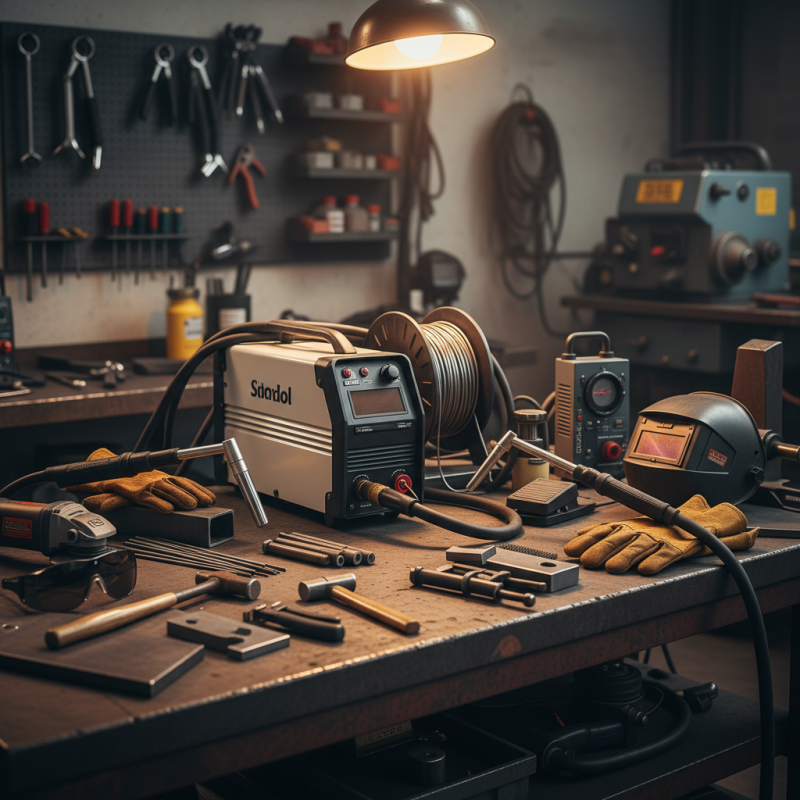
Choosing the right welding tools and equipment is crucial for any project. A well-chosen setup can enhance quality and safety. Conversely, the wrong tools may lead to complications or subpar results.
Different projects require different tools. For instance, a heavy-duty MIG welder might suit industrial tasks, while a compact TIG welder works for finer details. Understanding your needs is vital. Also, familiarity with materials, such as steel or aluminum, impacts tool selection.
Before purchasing, consider your experience level. Beginners often benefit from simpler, versatile welding tools and equipment. However, seasoned welders may prefer specialized options. It’s important to reflect on your skills. Not all expensive tools guarantee better outcomes. Sometimes, a more affordable choice meets project demands effectively.
Choosing the Appropriate Welding Process for Your Project Requirements
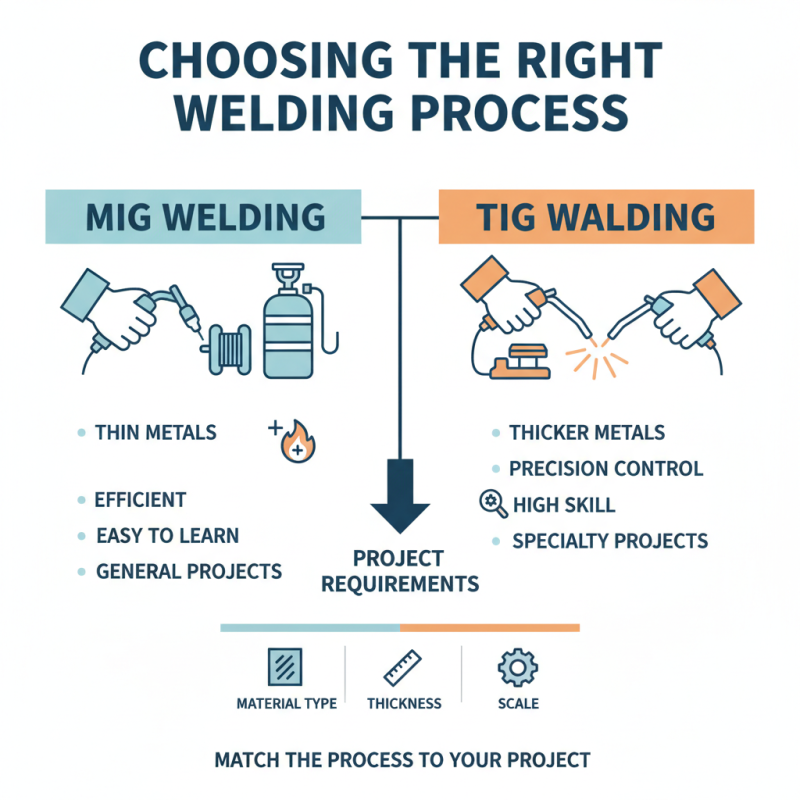
Choosing the right welding process is crucial. Each method serves unique purposes. Factors like material type, thickness, and project scale matter. For instance, MIG welding excels with thin metals. It is user-friendly and efficient. For thicker materials, consider TIG welding. It offers precision and control, yet requires more skill.
Tips: Assess the metal you will use. Know if it is ferrous or non-ferrous. This will guide your welding technique. Also, consider the environment. Some processes require protection against wind or contaminants.
Every project presents challenges. For example, certain processes may generate more heat. This can lead to warping or distortion. Always test your approach on scrap materials first. It allows you to refine your technique before tackling the final piece. Pay attention to your equipment. Proper maintenance is essential for optimal performance.
Understanding Different Types of Welding Tools and Their Applications
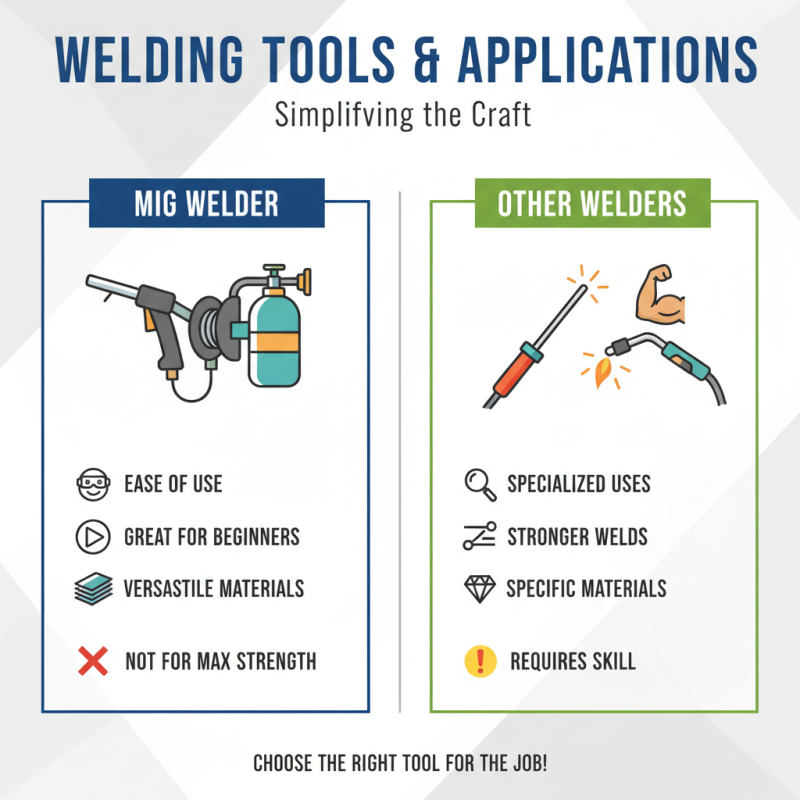
When choosing welding tools, it's essential to understand their types and applications. Each tool serves a unique purpose in the welding process. For instance, a MIG welder is often popular for its ease of use. It’s perfect for beginners and can be used for various materials. However, it might not produce the strongest welds compared to others.
On the other hand, TIG welders excel in precision. They offer better control, making them suitable for thin materials. However, they can be challenging for novices. Stick welding is another option, known for versatility and durability. But it requires practice to master. Each tool has its strengths and weaknesses, and choosing the wrong one can lead to frustration and unsatisfactory results. Understanding your project's specific needs is crucial in making the right choice.
Evaluating Equipment Specifications: Voltage, Amperage, and Duty Cycle
When selecting welding tools, understanding equipment specifications is crucial. Voltage determines the arc stability and penetration depth. For example, higher voltage is suitable for thicker materials. However, too much voltage can cause burn-through on thinner metals. Evaluating the optimal voltage is key for effective results.
Amperage plays a significant role in welding performance. High amperage allows for deeper welds. Conversely, low amperage is ideal for thin materials. It's essential to balance amperage with metal thickness to avoid poor-quality joints. An unsuitable amperage can lead to overheating or incomplete fusion.
Duty cycle is another critical factor. This measures how long the welder can operate before overheating. A welder with a higher duty cycle is more efficient for larger projects. However, using a lower duty cycle for extended periods can lead to equipment failure. Assessing your project's demands against the duty cycle is vital for long-term success. Making the right choices requires careful thought and consideration.
Welding Equipment Specifications Comparison
Assessing Safety Features: Helmets, Gloves, and Protective Gear Standards
When selecting welding helmets, consider their safety features. Look for helmets that meet or exceed industry standards. Adjustable settings for shade and sensitivity are essential. They allow for better visibility while minimizing eye strain. An auto-darkening feature can significantly enhance your experience. It enables quick adjustments without halting your workflow.
Gloves are another critical component of protective gear. Choose gloves that offer a balance between dexterity and heat resistance. Thick gloves may provide better protection but could reduce hand control. Moreover, wearing gloves that fit well can help avoid accidents. Make sure they cover your wrists to prevent sparks from entering.
Protective gear is not just about comfort; it’s about safety. Ensure your gear is thoroughly inspected for any damage before use. Small tears or worn-out areas can compromise your safety. Regularly replace worn-out equipment to maintain high protection standards. Stay aware of your environment, as external factors can also pose risks.
Budgeting for Welding Tools: Cost Analysis and Long-term Investment
When budgeting for welding tools, understanding costs is essential. The average initial investment for a home welding setup ranges from $500 to $3,000. This price often includes essential items such as a welder, protective gear, and tools. A detailed cost analysis can determine how this investment aligns with the expected project scope.
However, costs extend beyond the initial purchase. Studies suggest that maintenance can add about 10-15% annually to tool expenses. For instance, regular replacement of safety gear is crucial, as proper protection mitigates injury risks. Over time, investing in higher-quality tools may result in fewer breakdowns and replacement purchases. This long-term view can save money and improve project outcomes.
Reflect on your specific needs. Opting for a basic tool set now may seem smart, but it could lead to frequent repairs. Even with a limited budget, assessing tools for durability can prevent future costs. Evaluate your projects' complexity and material types to tailor your spending to actual needs. Investing wisely today can yield benefits for many projects to come.