10 Essential Tips for Using Thermite Welding Powder Effectively?
In the world of welding, Thermite Welding Powder stands out for its unique applications and effectiveness. Dr. Emily Thompson, a leading expert in welding technology, once stated, "Using Thermite Welding Powder correctly can greatly enhance the strength and durability of joints." This statement emphasizes the importance of understanding the nuances of this powerful material.
Thermite Welding Powder not only requires precision but also a thorough understanding of its properties. The exothermic reaction generates intense heat, allowing for seamless metal bonding. However, improper handling can lead to serious issues. Welders should always prioritize safety when working with this substance. Additionally, different materials have distinct requirements for optimal results.
As we delve into essential tips for using Thermite Welding Powder effectively, remember that even seasoned welders can make mistakes. Learning from these experiences is crucial for mastering Thermite welding techniques. This journey toward expertise will ultimately lead to better practices and more reliable outcomes in the field.
Understanding Thermite Welding: Key Principles and Applications
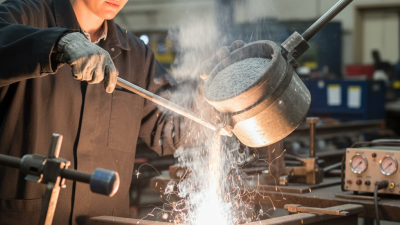
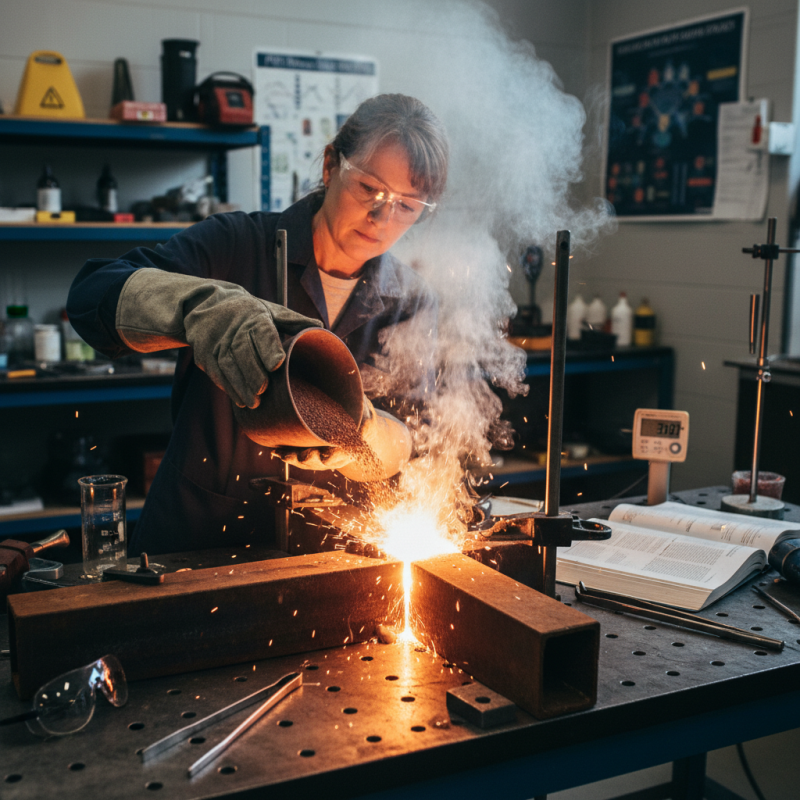
Thermite welding is a powerful technique. It uses a chemical reaction between metal powder and oxidizer to create intense heat. This heat melts the metals being joined, forming a strong connection. The process is often used in rail construction and heavy machinery repair due to its effectiveness. According to industry data, thermite welds can achieve tensile strengths superior to conventional welding methods.
Understanding the principles of thermite welding is crucial for successful application. The reaction is exothermic and can reach temperatures above 2,500 degrees Celsius. Precise control of the reaction is necessary to avoid excessive splatter or insufficient fusion. Proper preparation of the surfaces to be welded improves the quality of the weld. Many professionals recommend using clean, rust-free materials for best results.
However, challenges exist in thermite welding. The process requires careful handling and safety precautions due to the extreme temperatures involved. Training and experience are vital for operators. Moreover, the equipment must be maintained regularly to ensure reliability. According to a recent report, proper training can reduce welding errors by up to 30%. Consistent review and reflection on techniques can enhance outcomes and prevent imperfections in welding results.
Selecting the Right Thermite Welding Powder: Composition and Types
Selecting the right thermite welding powder is crucial for achieving high-quality welds. The composition and types of thermite powders can significantly impact the welding process. Research indicates that around 70% of weld quality relies on using the appropriate powder formulation. Common compositions include aluminum and iron oxide, but variations exist. Each composition offers distinct melting points and reaction rates.
Temperature control is vital. High temperatures are essential for effective welding, often exceeding 2,500°C. Yet, not all powders can provide this. Some aluminum-based powders generate excessive heat, which may compromise the base materials. A balance between heat output and material compatibility needs careful consideration.
Thermite welding powder types can also differ in grain size. Finer grains react more quickly, which may enhance initial penetration. However, this can lead to excessive spatter and inconsistent welds if not managed properly. Many professionals recommend starting with a coarser grain for thicker materials before progressing to finer powders for precision applications. Understanding these nuances can greatly impact welding performance and material integrity.
10 Essential Tips for Using Thermite Welding Powder Effectively
Preparing the Workpieces: Best Practices for Optimal Bonding
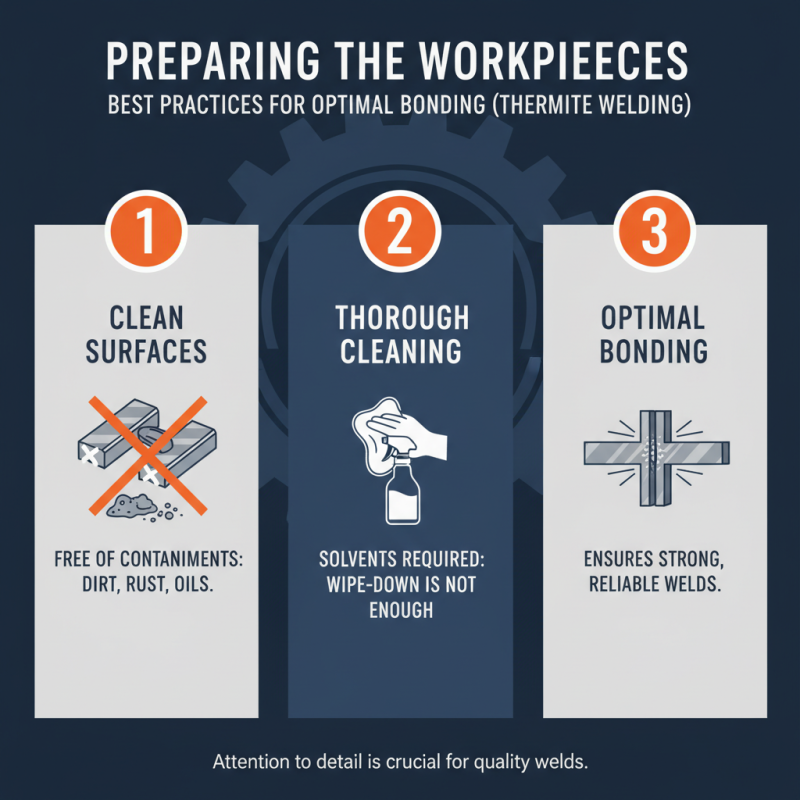
When preparing workpieces for thermite welding, attention to detail is crucial. The surfaces must be clean and free of contaminants. Any dirt or rust can compromise the bond. A quick wipe with a cloth may not suffice. A more thorough cleaning process, using appropriate solvents, is often necessary.
Alignment is another critical factor. Ensure that the pieces fit together snugly. Gaps can lead to weak joints. This requires precision in measuring and cutting. Regular practice helps in achieving better alignment over time. Experience plays a vital role here; each project provides lessons that refine your technique.
Additionally, consider the temperature of the workpieces. Cold surfaces can affect how the thermite interacts with the metal. Preheating may be required, especially in colder environments. However, overdoing it can also be problematic, leading to distortions. Each project might require a different approach. Adjustments and refinements are a normal part of the process.
Safety Protocols for Handling Thermite Welding Materials
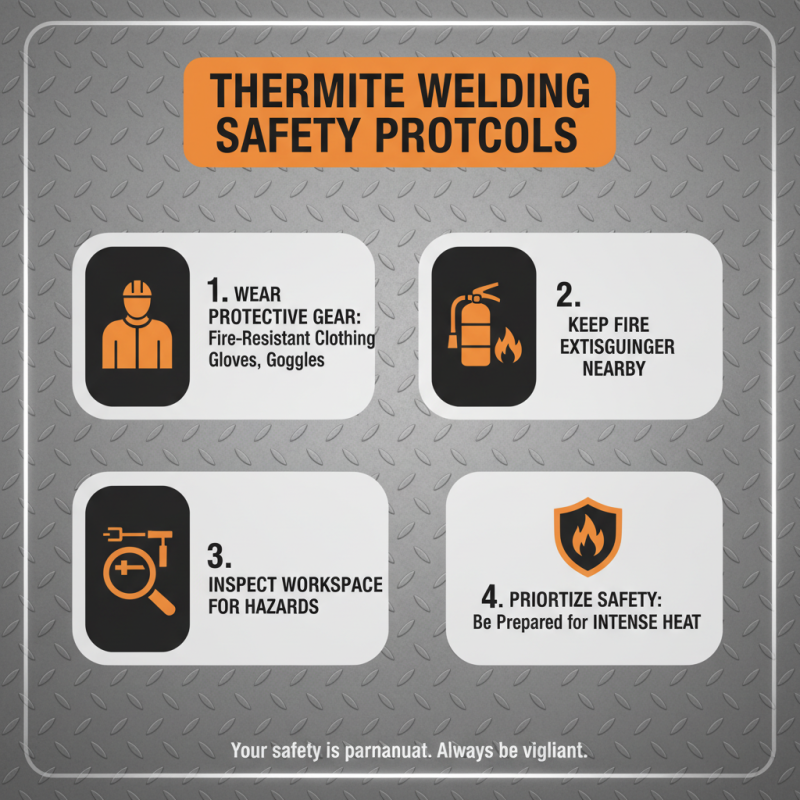
When handling thermite welding materials, safety should be your top priority. The intense heat generated during thermite reactions can pose serious risks. Always wear fire-resistant clothing and appropriate personal protective equipment, including gloves and goggles. Keep a fire extinguisher nearby, as unexpected flames can arise. Regularly inspect your workspace for hazards before beginning any project.
Effective use of thermite welding powder requires a deep understanding of its properties. Ensure that you store your materials in a cool, dry place to prevent degradation. It’s crucial to measure the materials accurately for consistent results. Improper measurements can lead to inefficient reactions and unpredictable outcomes. Avoid distractions during your work to maintain your focus.
Before initiating a thermite reaction, prepare your surroundings. Keep your workspace clear of flammable objects. Ensure good ventilation to avoid inhaling fumes. Engage in a brief safety meeting with your team. Never rush the process; patience is essential for success. Reflect on your experiences after each project to improve. Learning from past mistakes is invaluable for progress in thermite welding.
Post-Welding Inspections: Ensuring Structural Integrity and Quality
Post-welding inspections play a crucial role in ensuring the structural integrity of thermite-welded joints. A recent industry report highlighted that up to 30% of welding failures can be traced back to inadequate inspection practices. It's essential to assess both the visual and physical characteristics of the weld. Inspectors should look for surface defects like cracks or porosity. These imperfections can compromise the strength of the weld.
Additionally, non-destructive testing (NDT) methods, such as ultrasonic testing, should be employed. According to data from the American Society of Nondestructive Testing, using NDT can detect up to 90% of potential defects without damaging the weld. This is vital for maintaining safety standards in demanding applications, such as construction and railways.
Documenting inspection results is also vital. Accurate records can help identify patterns and improve future welding processes. Despite these measures, issues may still arise. Overlooked defects or human error during inspection can lead to significant failures. Thus, continually refining inspection techniques is necessary to enhance the reliability of thermite welding outcomes.