Top Rail Thermite Welding Equipment Suppliers for Buyers
Choosing a supplier for Rail Thermite Welding equipment involves more than comparing prices or browsing product photos. Buyers need equipment that suits their rail profiles, work conditions, and maintenance capability. A typical setup may include molds, crucibles, preheating equipment, alignment tools, and compatible consumables. Every component must work together. Small mismatches can cause delays at the worksite.
This guide introduces leading supplier options and practical points to check before requesting a quotation. Buyers should review product specifications, equipment compatibility, operating instructions, spare-parts availability, and the supplier’s technical support. Ask how the equipment is maintained and what training is available. Details matter. Clear documentation and responsive support can be as important as the purchase price, especially when crews work in remote locations or tight maintenance windows.
Supplier claims still deserve careful review. Confirm that stated capabilities match your rail type and intended process, and request relevant records where appropriate. Do not assume every kit suits every project. A catalog may look complete, yet omit details that matter in the field. Comparing suppliers is useful, but no single ranking can replace a project-specific assessment. The right choice depends on the equipment, the people using it, and the support available after delivery. Buyers should verify those points directly before making a commitment.
Understanding Rail Thermite Welding Equipment and Its Applications
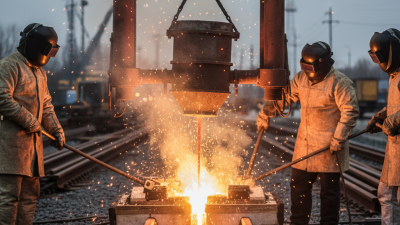
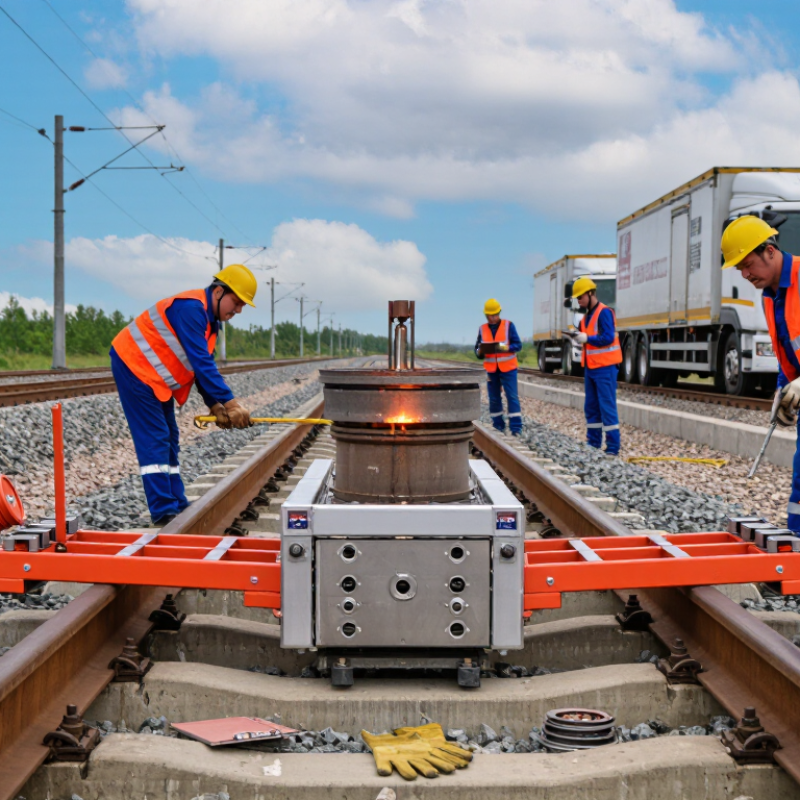
Rail thermite welding equipment is used to join rail ends into a continuous track. The process relies on a controlled chemical reaction that produces molten steel. A typical setup includes a crucible, rail-specific molds, preheating equipment, ignition materials, alignment clamps, and tools for trimming and grinding. Each part has a job. Poor alignment or uneven preheating can affect the finished joint.
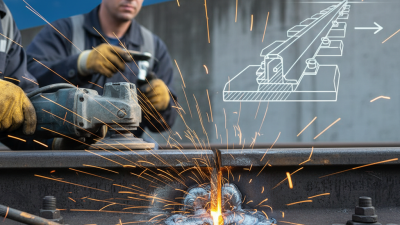
Crews use this method during track construction and maintenance, especially where a durable field joint is needed. The rail ends must be cleaned, positioned, and held at the specified gap before the mold is fitted. After pouring, workers remove excess metal and grind the joint to match the rail profile. Small details matter. Temperature control, consumable storage, and a clear work sequence all influence repeatability. Inspection should follow the applicable project procedures, not visual judgment alone.
For buyers, equipment selection starts with the rail profile, welding method, and site conditions. Check that molds and consumables match the intended rail section, and confirm that crews can access training, replacement parts, and technical documentation. A kit can look complete on paper yet still lack one site-specific item. That is worth checking before mobilization. Ask how equipment is maintained and how process records are kept. These practical questions often reveal more than a product list.
Core Equipment and Consumables Buyers Need
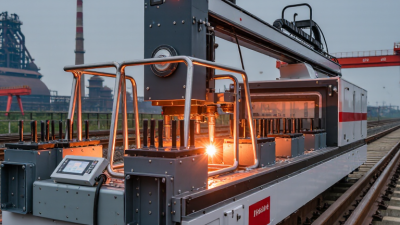
For rail thermite welding, buyers need a matched kit, not just a thermite charge. Core equipment usually includes a refractory crucible, rail-profile molds, mold clamps, a preheating torch, and tools for trimming and grinding the finished joint. Fit matters. The mold must suit the rail section, while clamps should hold it firmly without shifting during setup. A temperature-measuring device can help crews check preheating conditions against the approved process.
Consumables commonly include the thermite portion, single-use molds, sealing material, and specified preheating and ignition supplies. Ask suppliers for clear instructions on storage, shelf life, batch identification, and compatibility with the intended rail profile. Small details count. A damp mold or poorly stored charge may disrupt preparation, even when the main equipment looks sound. Buyers should confirm that replacement consumables remain available for the equipment they select.
Compare suppliers by checking technical documents, sample inspection records, and the completeness of their operating guidance. Request details on what each kit contains, what must be purchased separately, and which tools need regular inspection. Experienced crews may also want spare clamps and grinding consumables on site. Still, no kit fixes rushed preparation; this is easy to underestimate. Trial the proposed setup under qualified supervision, and record any fit or handling issues before routine use.
How to Assess Rail Thermite Welding Equipment Suppliers
A reliable assessment starts with the work your crews actually do. Check whether the equipment suits your rail profile, joint type, and expected worksite conditions. Ask for clear technical specifications, including mould compatibility, preheating controls, and the tools needed for setup. Ask for evidence. Request operating and maintenance instructions before comparing prices. A low purchase cost can hide costly delays if routine parts are difficult to obtain.
Look beyond the sales discussion. Ask what training is provided, how service requests are handled, and which spare parts are kept in stock. Request references from operators using similar equipment and ask what needed adjustment after delivery. If possible, inspect a demonstration and watch the setup, ignition sequence, and cleanup. That matters. Documents alone cannot show how equipment feels to handle in gloves or on uneven ground. Supplier claims should be checked against written specifications and practical experience.
Tips: Prepare a short checklist before contacting suppliers. Include response time, warranty terms, parts availability, training, and after-sales support. Ask the same questions of each supplier, then compare written answers. Note any unclear details and follow up; small gaps in documentation may become real delays later. I would not treat a polished brochure as proof of field performance.
Comparing Supplier Capabilities, Quality, and Service
When comparing thermite welding equipment suppliers, look beyond the kit price. Ask for documented process qualification, batch traceability, and field service response times. EN 14730-1 covers approval of aluminothermic welding processes; a supplier should explain how its approved procedure matches your rail profile and site conditions. Ask to see sample weld records, not just a certificate.
Quality checks need measurable criteria. The Federal Railroad Administration’s Track Safety Standards, 49 CFR Part 213, set track-geometry limits by track class. The nominal standard gauge is 1,435 mm, but the acceptable range depends on class and conditions. Suppliers should show how their moulds, preheating equipment, and finishing tools help crews meet the applicable tolerances. Request records of temperature checks, weld inspection, and corrective actions. Small gaps in paperwork matter.
Service can decide whether equipment performs reliably on a cold, windy night. Compare training hours, spare-part availability, and technical support coverage—not just brochure claims. Ask suppliers to demonstrate a full setup using your rail section, then inspect the tools for fit and handling. I would still question any claim of “zero defects”; real sites vary, and records need scrutiny. A clear maintenance schedule and a named response contact are practical signs of support.
Key Steps for Selecting and Purchasing from a Supplier
When selecting a rail thermite welding equipment supplier, match the equipment to your rail profiles, joint volume, and site conditions. UIC’s Railway Statistics Synopsis 2023 reports that China’s railway network reached about 155,000 route-kilometres in 2022, illustrating the scale of ongoing rail maintenance needs. Ask suppliers for technical documentation covering the welding process, preheating controls, alignment tools, calibration, and compatible consumables. Request evidence of operator training, spare-parts availability, and after-sales support. A polished brochure is not proof of dependable field service.
Compare suppliers using a written specification, then ask for a demonstration with your rail section and working setup. Check how the equipment performs in confined work areas and changing weather. Confirm delivery lead times, warranty terms, inspection records, and the supplier’s procedure for handling faults. Where possible, speak with maintenance teams who use similar equipment. One detail is easy to overlook: the lowest purchase price may exclude essential tools or training. Your checklist may still miss something; revise it after the site trial.
Tips: Photograph the setup, record warm-up and operating steps, and list every included item before signing. Keep the notes practical.