Top Thermit Welding Machine Manufacturers for Global Buyers
Choosing the right Thermit Welding Machine manufacturer requires more than comparing prices or catalog photographs. Global buyers must examine welding performance, operator safety, production consistency, spare-parts access, and technical support. A machine may appear efficient in a showroom but perform differently beside a rail line, steel plant, or remote construction site.
Hans Goldschmidt, the pioneer behind the thermite process, described its central principle in practical terms: “Aluminium can reduce metal oxides while releasing intense heat.” This principle still shapes modern thermit welding equipment. Today’s leading manufacturers refine that reaction through controlled ignition systems, durable molds, temperature-resistant tools, and clearer operating procedures.
Real experience matters.
A reliable supplier should provide documented testing, traceable materials, and training for local technicians. Buyers should also review international certifications, warranty conditions, delivery history, and compatibility with regional power systems. Strong manufacturers explain limitations openly. That honesty is important when equipment must operate in dust, rain, vibration, or extreme temperatures.
This guide examines top Thermit Welding Machine manufacturers serving global buyers. It focuses on engineering quality, product range, customization, service networks, and long-term operating value. Some suppliers are excellent at machine design but weaker in after-sales support. Others offer responsive service yet limited customization. No shortlist is flawless.
That is worth remembering.
Independent inspection, trial welding, and direct discussions with end users can reveal details that brochures miss. A careful buyer should question impressive claims, especially when productivity figures lack testing conditions. The best purchasing decision combines technical evidence with field judgment, realistic budgets, and a clear understanding of future maintenance needs.
What Is Thermit Welding and Where Is It Used?
Top Thermit Welding Machine Manufacturers for Global Buyers
What Is Thermit Welding and Where Is It Used?
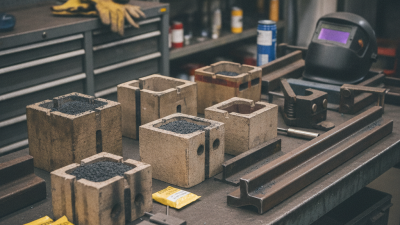
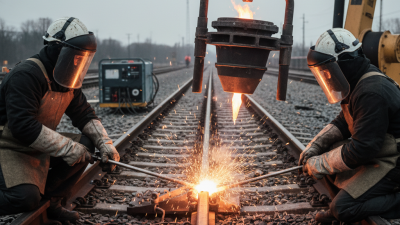
Thermit welding joins two metal sections through an intense chemical reaction. Aluminum powder reduces iron oxide and produces molten steel. The reaction can exceed 2,500°C, allowing the steel to flow into a prepared rail mold. No electrical arc is required. This makes the process useful in remote locations, where generators and heavy welding equipment are inconvenient.
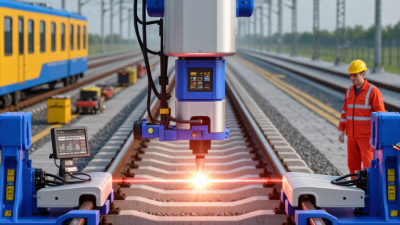
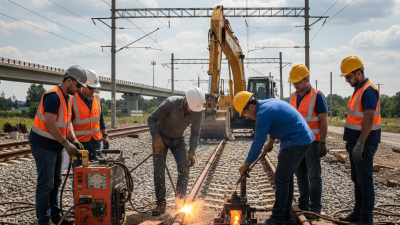
Rail remains its main application. The European Commission’s EU Transport in Figures 2024 reported approximately 386 billion passenger-kilometres on EU railways in 2022. That traffic depends on continuous, carefully maintained track. Thermit welding is used for rail extensions, tram lines, turnouts, and urgent joint replacement. Field crews can transport the crucible, mold, preheating unit, and finishing tools by road or rail.
The method is fast, but not forgiving. Technicians must clean the rail ends, control the gap, preheat evenly, and verify alignment. The International Union of Railways identifies weld quality and track geometry as critical maintenance concerns in its technical guidance. A bright, smooth weld is not proof of reliability. Poor preheating can leave hidden defects, while incorrect finishing may create wheel-impact points. In my experience, the practical weakness is often human consistency, not the chemical reaction itself. Ultrasonic testing and visual inspection remain valuable after cooling. Thermit welding also suits selected structural repairs, although engineers should confirm the alloy, load conditions, and applicable railway standards before approval.
How to Evaluate Thermit Welding Machine Manufacturers
Top Thermit Welding Machine Manufacturers for Global Buyers
How to Evaluate Thermit Welding Machine Manufacturers
Evaluating thermit welding machine manufacturers requires more than comparing catalog prices. Start with welding capacity, rail compatibility, heating control, and machine stability. Ask for evidence. Request factory test reports, material certificates, and traceable quality records. A reliable manufacturer should explain temperature ranges, clamping accuracy, power requirements, and expected maintenance intervals in clear technical language.
Review the manufacturer’s field experience with projects similar to yours. Machines used on heavy rail, tram lines, or industrial tracks may require different fixtures and control systems. Check operator training, installation support, spare-part availability, and response times across your region. Details matter. Ask whether technicians can diagnose faults remotely and provide replacement parts without long delays. Independent inspections and recognized quality certifications can strengthen confidence, but certificates should match the actual production site.
Arrange a live demonstration when possible. Observe how quickly the machine reaches working temperature, how evenly it distributes heat, and how operators handle the controls. Speak with existing users, not only sales representatives. Their comments may reveal noise, transport difficulties, or software weaknesses hidden in brochures. Do not guess. One practical concern is often overlooked: local voltage and environmental conditions can affect performance. No evaluation is perfect. I would also record unanswered questions, because vague replies may become expensive problems after delivery.
Leading Thermit Welding Machine Manufacturers for Global Buyers
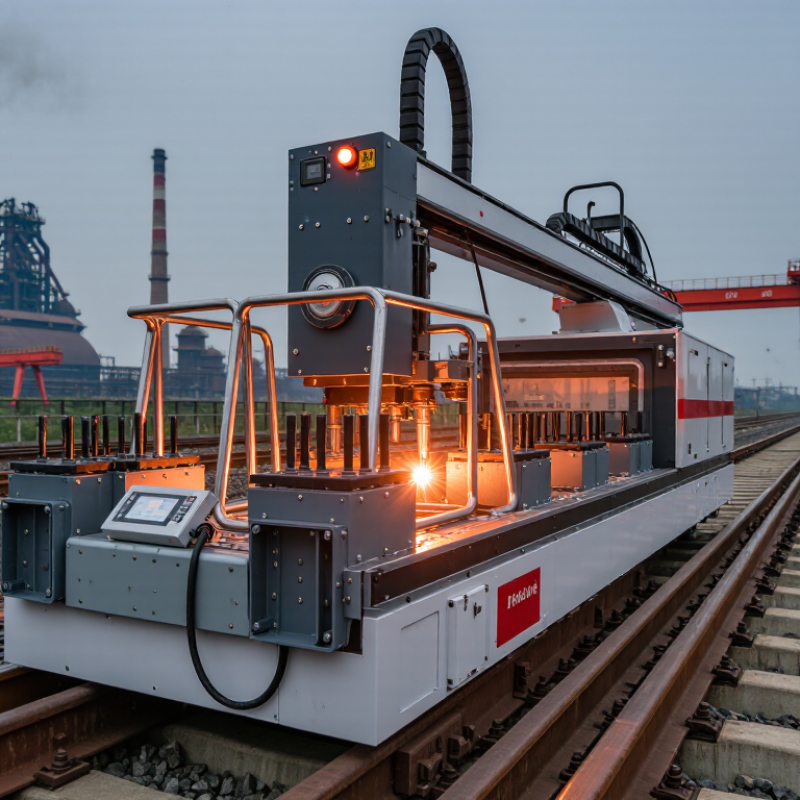
Leading thermit welding machine manufacturers for global buyers understand that reliable equipment begins with field experience. Their machines must handle controlled preheating, stable ignition, and accurate mould positioning. These details matter beside rail joints, where wind, dust, and uneven ground can affect results. Experienced manufacturers provide operating manuals, training, inspection records, and practical maintenance guidance. Clear documentation builds trust.
Look for suppliers with tested production systems and qualified technical teams. Ask about material traceability, temperature control, spare parts, and response times across different regions. Independent testing records can reveal more than polished product descriptions. Some manufacturers also support trial welding before larger orders. That step reduces avoidable surprises.
Good equipment is not enough. Operators need suitable training and clear safety procedures. Machines should match local power conditions, transport limits, and working environments. A small design weakness may become expensive in remote locations. No supplier is perfect. Buyers should question vague promises and verify performance through references, sample reports, and factory communication. Careful evaluation supports safer projects and more consistent weld quality.
How to Compare Quality, Compliance, Service, and Total Cost
Top Thermit Welding Machine Manufacturers for Global Buyers
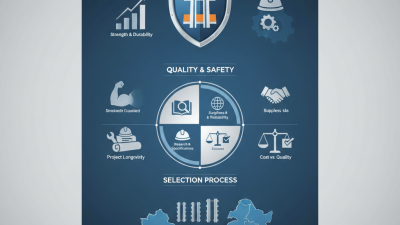
Comparing thermit welding machines requires more than checking heating speed or purchase price. Quality starts with stable temperature control, durable housings, accurate alignment, and clear operating instructions. Ask for inspection records, calibration evidence, material certificates, and repeatability data from real production conditions. A machine that performs well once may still fail during long shifts.
Compliance should match the destination market. Check electrical ratings, safety guards, emergency controls, labeling, and technical files before ordering. Reliable suppliers explain testing methods instead of offering vague certificates. Service also matters. Confirm response times, spare-part availability, remote troubleshooting, technician training, and warranty exclusions. Total cost includes consumables, energy use, freight, installation, inspections, downtime, and operator training. A cheaper machine can become expensive after one delayed repair. The first comparison is rarely perfect.
Tips: Request a sample test with your rail or metal profile. Compare weld consistency, setup time, operator effort, and inspection results. Keep written answers from suppliers. Small details often reveal larger service gaps. Also review the manual carefully; unclear maintenance steps may create avoidable errors.