Thermit Rail Welding Benefits and Techniques for Global Buyers?
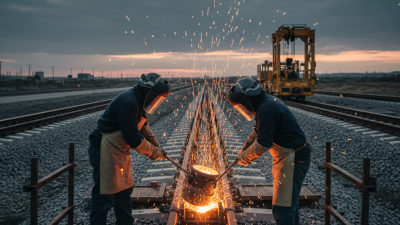
In the realm of railway construction, "Thermit Rail Welding" stands as a revolutionary technique. It combines aluminum powder with metal oxides to create an exothermic reaction, fusing rails seamlessly. According to Dr. John Harris, a leading expert in railway engineering, “Thermit Rail Welding ensures both strength and longevity in rail joints.” This method has gained global acceptance due to its efficiency and resilience.
Global buyers keen on maximizing efficiency will find numerous benefits in Thermit Rail Welding. This technique not only enhances joint integrity but also reduces maintenance costs. It fosters safer transport infrastructures by minimizing track deformation. Moreover, the portability of Thermit setups allows for quick deployment in various environments, from urban areas to remote locations.
While the advantages are substantial, it's crucial to consider potential drawbacks. A lack of skilled operators can hinder successful implementation. Additionally, the initial setup costs and training might deter some buyers. Balancing these factors is essential. Therefore, understanding the full scope of Thermit Rail Welding is vital for making informed decisions.
Overview of Thermit Rail Welding and Its Applications
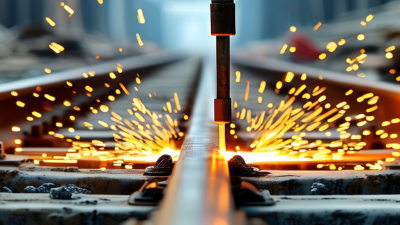
Thermit rail welding is a robust technique used widely in the rail transport industry. This process involves a chemical reaction between aluminum and iron oxide, producing molten steel that bonds the rails together. According to industry reports, thermit welding can increase rail service life by up to 40%. This enhancement results from the elimination of joints that often lead to wear and tear.
The application of thermit rail welding is particularly beneficial in line maintenance and repair operations. It allows for quick, reliable rail connections that improve the overall integrity of rail systems. In urban and remote areas, the portability of thermit welding equipment is an advantage. It can be set up on-site without the need for electricity, making it ideal for various environments.
Tips for successful thermit welding include ensuring proper alignment of rail ends before initiating the weld. Misalignment can lead to stress points that cause future failures. Additionally, monitoring environmental conditions is crucial. Excessive moisture or wind can affect the quality of the weld. Engaging experienced personnel is another vital factor. Workers should be trained in safety and operational protocols to minimize risks associated with this high-temperature process.
Key Benefits of Thermit Rail Welding for Global Rail Networks
Thermit rail welding offers significant advantages for global rail networks. This method creates high-strength, durable joints. These joints withstand heavy loads and extreme conditions. Their resistance to thermal expansion makes them ideal for fluctuating temperatures. This reliability directly enhances safety for passengers and freight alike.
The technique involves controlled exothermic reactions. It produces molten steel, which bonds the rails together. Rail companies report reduced maintenance costs over time. Although the initial setup may require investment, the long-term savings are evident. Some experts note that the learning curve could be steep for new workers. Proper training ensures successful implementation.
Thermit welding allows for greater flexibility in the field. Crews can perform welds on-site, reducing downtime. However, weather conditions may impact efficiency. For regions with harsh climates, this can be a consideration. Evaluating local conditions is essential for optimal results. Overall, the benefits of thermit welding extend beyond cost savings. They contribute to the overall integrity of rail operations worldwide.
Key Benefits of Thermit Rail Welding for Global Rail Networks
Essential Techniques for Effective Thermit Rail Welding
Thermit rail welding has become an essential technique in modern rail construction and maintenance.
This process involves using a thermite reaction to create molten steel that fuses two rail sections together. The strength of the welded joint enhances the integrity of the track. Proper temperature control during welding is crucial to prevent defects. Inadequate heat can lead to brittle joints, while excess heat may cause deformation.
The equipment used for thermite welding requires skilled operators. It is vital to train workers to understand the nuances of the technology. Without adequate training, mistakes can occur, leading to unsafe conditions.
Prefabricated molds help ensure precise alignment during the process. These molds must be regularly checked for wear and tear to maintain effectiveness.
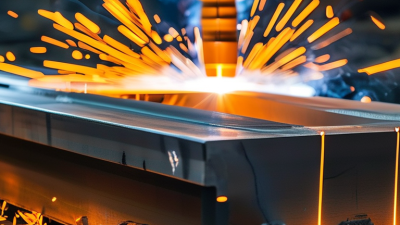
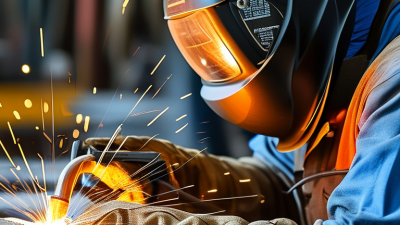
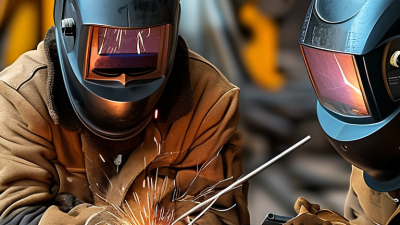
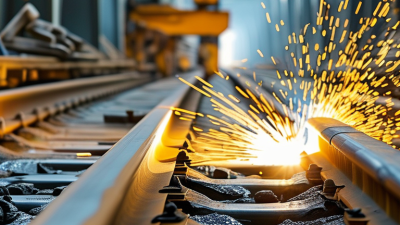
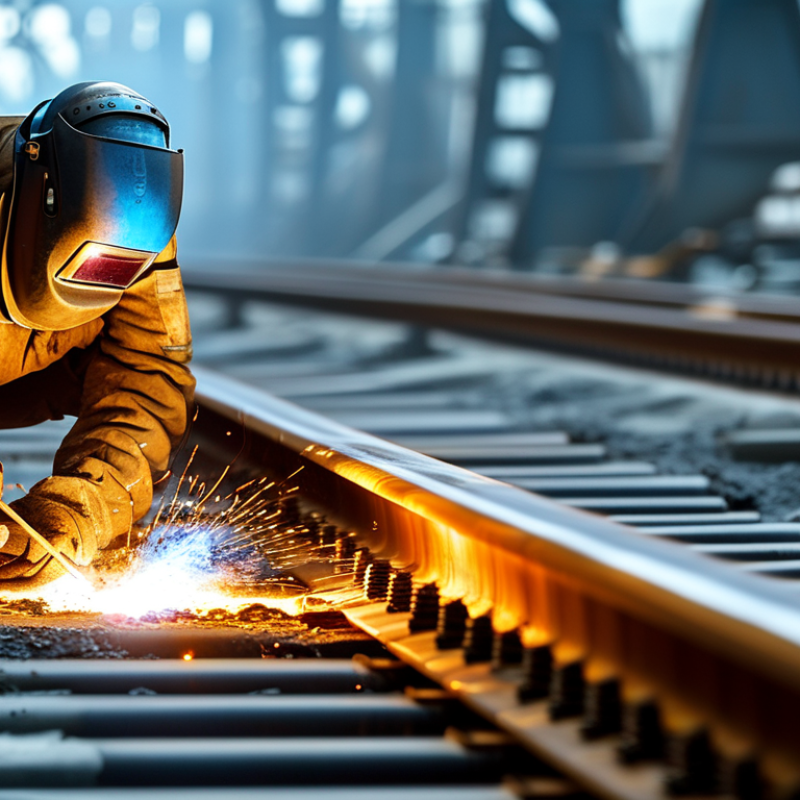
Safety must be a priority throughout the welding process. Protective gear is essential for all personnel involved. The reaction generates intense heat and sparks, which pose risks if not managed properly. Regular inspections of the worksite can help identify potential hazards before they become issues. Each thermit weld should be monitored for quality, but variations in joint appearance can sometimes occur, necessitating further evaluation.
Comparative Analysis: Thermit Welding vs. Other Rail Welding Methods
Thermit welding has gained traction in railway construction for its unique advantages. This method uses a chemical reaction to create molten metal, allowing seamless rail joints. Unlike traditional methods, thermit welding produces robust, durable bonds that withstand heavy loads. Its quick installation time makes it favorable for global projects requiring efficiency.
Comparing thermit welding to other rail welding techniques highlights some differences. For instance, friction welding can be labor-intensive and requires precise alignment. In contrast, thermit welding can be performed in various weather conditions, making it more versatile. However, it does need careful monitoring during the process to prevent quality issues.
While thermit welding excels in many aspects, it may not be ideal for every scenario. The initial setup requires thorough training and expertise, which can be a barrier for some teams. Regular maintenance of the equipment is also essential to ensure successful outcomes. Each method has its strengths and limitations; understanding these can guide buyers in choosing the best option for their specific needs.
Best Practices for Implementing Thermit Welding in Different Regions
Thermit welding has proven effective in diverse regions, emphasizing regional adaptations. In North America, for instance, the USDA reports a rising demand for efficient rail infrastructure. Implementing thermit welding enhances durability and decreases maintenance costs. In the Midwest, average rail joint failures can be up to 30% lower when thermit welding is employed compared to conventional methods.
In Europe, guidelines from the European Union Railroad Agency encourage modernization. The techniques vary significantly based on environmental conditions. Regions with extreme temperatures need specific alloys to ensure proper bonding. Studies indicate that using a tailored approach can improve joint performance by over 20% in harsh climates.
However, challenges remain. Proper training is vital for technicians. A 2022 inspection report noted that over 15% of poorly executed welds resulted from inadequate skill levels. Regular assessments and feedback loops are necessary to improve outcomes. Adapting thermit welding to local conditions involves trial and error. Experience shows that engagement with local experts leads to better results, ultimately enhancing efficiency in rail operations.