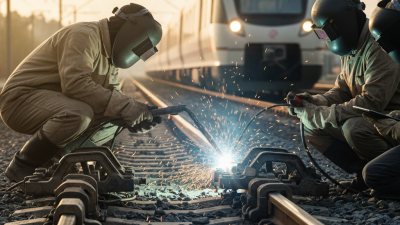
How to Choose the Best Rail Welding Technology for Your Needs?
When selecting the best Rail Welding Technology, understanding your specific needs is crucial. Rail welding plays a vital role in ensuring the durability and safety of the railway system. Each technology has its unique advantages and disadvantages. For example, some methods promise faster weld times but may compromise quality. Others focus on strength but might be cost-prohibitive.
It's essential to assess the environment where the welding will occur. Conditions such as weather and humidity can impact the effectiveness of certain technologies. Consulting with experts can provide valuable insights into which method suits your situation best.
Additionally, consider the skills of your team. Advanced technologies may require specialized training. Choosing an inappropriate method can lead to costly mistakes and project delays. Continuous evaluation and reflection on the welding process can lead to improvements in workflow and efficiency. Ultimately, selecting the right Rail Welding Technology is about finding a balance between quality, cost, and reliability.
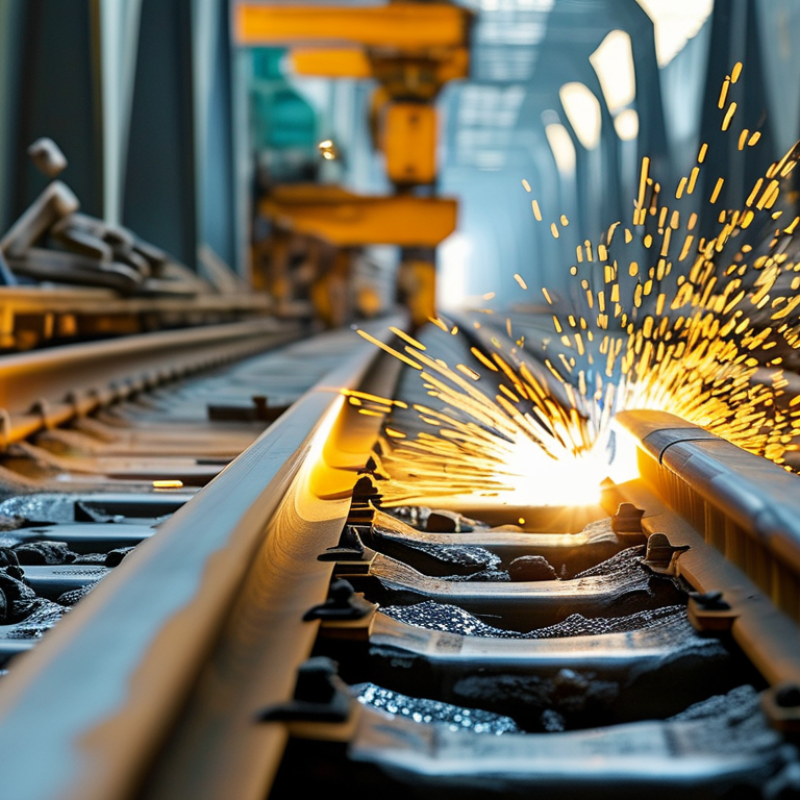
Understanding Different Rail Welding Technologies Available Today
Rail welding technologies are crucial for building strong and durable rail networks. Today, several methods exist, each with unique benefits and challenges. Understanding these technologies can guide you in making the right choice for your projects.
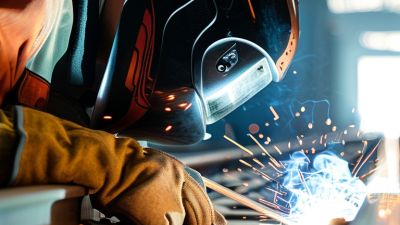
One popular method is electric arc welding. This process creates high temperatures, melting metal parts together. It’s efficient and produces strong joints but requires skilled operators. Training can be costly, and improper techniques may lead to failures in the long term.
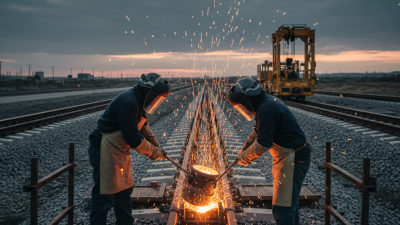
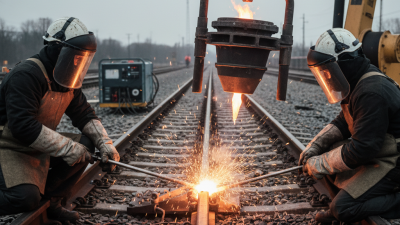
Another option is thermit welding, which uses a chemical reaction to produce molten metal. This method is useful in remote areas where portable equipment is needed. However, its setup can be time-consuming, and results heavily depend on the environment.
Choosing the right technology involves weighing these factors carefully, ensuring the method aligns with your operational needs and skill level.
Key Factors to Consider When Choosing Rail Welding Technology
Choosing the right rail welding technology is crucial for project success. Start by considering the specific requirements of your railway infrastructure. Different projects may demand unique welding methods, such as thermite or flash butt welding. Each method has its own strengths and weaknesses, making it essential to analyze your conditions carefully.
Another key factor is the skill level of your team. Training and expertise vary among welding techniques. Ensuring your workforce is equipped for the chosen technology impacts safety and quality. Investing in proper training will enhance productivity and reduce errors in the long run.
Moreover, evaluate the equipment availability and maintenance needs. Some technologies require more complex machinery and frequent upkeep. Assess your budget and operational capacity realistically. Balancing these factors can lead to better decision-making. Reflecting on past projects may also yield insights into what worked or failed. This reflection ensures a more informed choice.
Comparing Cost Effectiveness of Various Rail Welding Methods
When evaluating rail welding technologies, cost-effectiveness is a primary concern. Various methods exist, each with distinct costs and benefits. Traditional methods, like electric arc welding, tend to have lower initial costs but may incur higher long-term expenses due to maintenance and productivity issues.
In contrast, more advanced techniques like laser welding offer improved efficiency and durability. However, the upfront investment can be significant. It’s essential to consider the total cost of ownership, which includes materials, labor, and potential downtime. A method that seems cheap initially might lead to higher costs over time due to repairs and inefficiencies.
Many users undervalue the importance of training. Skilled operators can optimize processes and reduce errors, ultimately saving costs. Yet, investing in training often gets overlooked. Reflecting on past projects can provide insights into what worked and what didn’t. Understanding the unique needs of each project is crucial in making an informed choice. In the end, balancing initial costs with long-term savings requires careful thought and analysis.
How to Choose the Best Rail Welding Technology for Your Needs? - Comparing Cost Effectiveness of Various Rail Welding Methods
| Welding Method |
Initial Cost ($) |
Maintenance Cost ($/year) |
Quality Rating (1-10) |
Speed of Weld (meters/hour) |
Longevity (years) |
| Arc Welding |
15,000 |
1,200 |
8 |
4 |
20 |
| Flash Butt Welding |
25,000 |
2,000 |
9 |
6 |
25 |
| Thermite Welding |
30,000 |
1,500 |
10 |
3 |
30 |
| ALM Welding |
20,000 |
1,000 |
7 |
5 |
15 |
Evaluating the Strength and Durability of Rail Welding Techniques
Evaluating the strength and durability of rail welding techniques is crucial for industries relying on rail transport. A recent report from the American Railway Engineering and Maintenance-of-Way Association (AREMA) indicates that proper rail welding can enhance the longevity of tracks. Studies show that longitudinally welded rails often exhibit improved tensile strength. This strength is pivotal in minimizing the risk of track fractures under heavy loads.
Welding methods vary in quality. Thermite welding and electric arc welding are widely used techniques. Thermite welding provides strong joints due to the extreme heat generated, but it can be time-consuming. Electric arc welding, while faster, may yield weaker bonds if not executed correctly. In fact, the Rail Safety and Standards Board (RSSB) suggests that poorly executed welds are responsible for 15% of track-related failures.
Despite advancements, challenges persist. Not all welding techniques ensure durability under extreme weather. The effects of temperature changes can cause weld materials to expand or contract, potentially leading to joint failures. Monitoring and regular inspections are critical. Ultimately, choosing the right technology must be informed by the specific conditions and operational stresses of each rail network.
Assessing Safety Standards and Compliance in Rail Welding Practices
When evaluating rail welding practices, safety standards are crucial. Companies must comply with regulations to ensure worker safety and operational integrity. In 2022, safety incidents in the rail industry accounted for over 15% of workplace injuries, according to the American Welding Society.
One major consideration is the expertise of the workforce. Training programs must meet stringent guidelines. Only 70% of rail welders received certified training last year. This leaves a significant risk of improper welding practices. Ensuring that personnel are adequately trained can minimize errors and enhance safety.
Regular assessments of welding equipment are essential. Equipment should meet compliance standards set by organizations such as the Rail Safety and Standards Board. Non-compliance can lead to catastrophic failures. Reports indicate that faulty welding equipment was linked to nearly 25% of recent rail accidents. Regular inspections and adherence to safety protocols can significantly reduce such risks.