Best Thermit Rail Welding Techniques for Efficient Track Repair?
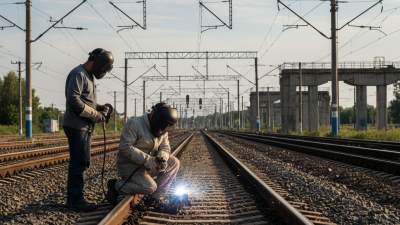
In the field of railway maintenance, the efficiency of track repair is crucial. One of the most effective methods is Thermit Rail Welding. This technique creates a strong, durable bond between rail segments, ensuring safety and longevity. As John Smith, a renowned expert in Thermit Rail Welding, states, "The key to successful track repair lies in precision and technique."
Precision is vital when applying Thermit Rail Welding. The process involves a chemical reaction that heats metals to high temperatures, allowing them to fuse seamlessly. However, improper execution can lead to weak joints and costly repairs. Techniques must be refined and continually improved, as even slight deviations in methodology can impact results significantly.
Moreover, while Thermit Rail Welding is advantageous, it requires skilled operators. Their experience directly influences the outcome of each weld. An awareness of common pitfalls is essential. Reflecting on past projects and learning from mistakes is just as important. Embracing continual education and sharing knowledge within the industry can drive advancements in this crucial repair method.
Overview of Thermit Rail Welding Process
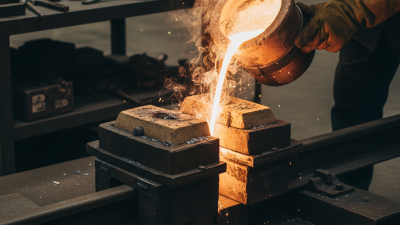
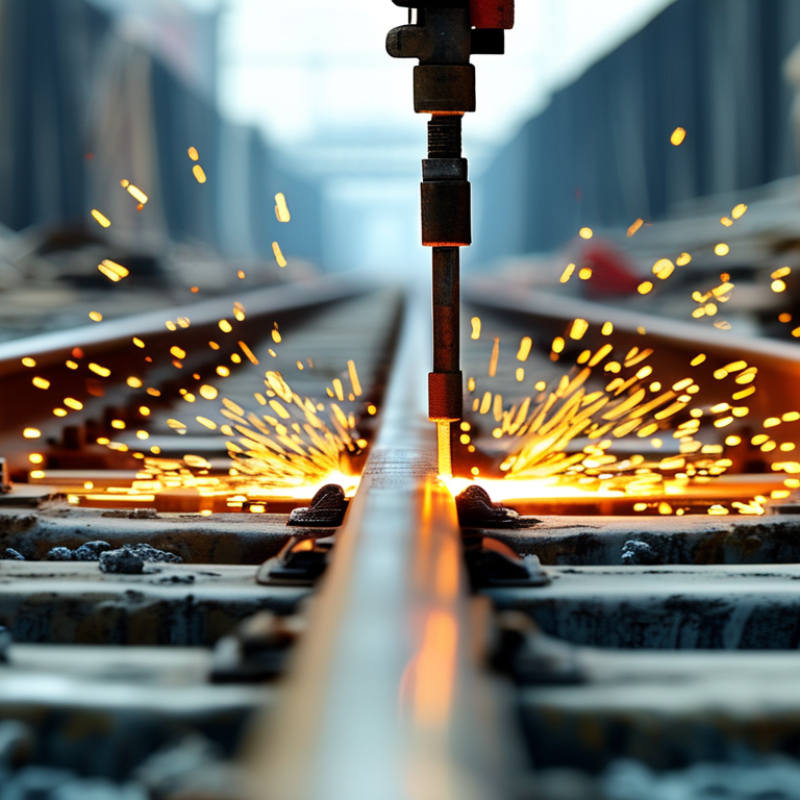
The thermit rail welding process stands out as a critical method for efficient track repair. This technique utilizes a chemical reaction between aluminum and iron oxide to produce molten iron. This molten iron is then poured into a prepared joint on the rails, creating a strong bond. According to the American Railway Engineering and Maintenance-of-Way Association (AREMA), thermit welding can achieve a joint strength of up to 90% of the rail's original strength.
A crucial aspect of thermit welding is the preparation phase. This process involves cleaning the rail ends and ensuring proper alignment. Experts recommend using precise measuring tools to verify the alignment. Inaccurate alignment can lead to uneven wear and potential safety hazards. Moreover, the welding process itself requires careful control of temperature. Inadequate temperature can result in weak welds, while excessive heat may warp the rails, leading to costly repairs.
Industry data suggest that more than 60% of rail failures are due to poor joint conditions. Regular monitoring and maintenance of thermit welds can significantly reduce these failures. Additionally, the application of thermit welding should be considered in line with the traffic load and environmental conditions. As rail infrastructure ages, understanding these factors becomes vital for effective track maintenance and safety.
Essential Tools and Materials for Thermit Welding
When it comes to thermit welding in track repair, having the right tools and materials is crucial. The process requires specific materials that can ensure a strong and durable joint. The primary components include thermit powder, which consists of aluminum and iron oxide. This mixture generates an exothermic reaction, producing molten iron when ignited. According to a report by the International Union of Railways, using high-quality thermit can increase joint integrity by up to 30%.
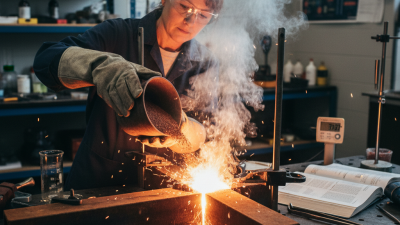
Safety equipment is essential during this process. Welders must wear fire-resistant clothing, gloves, and face shields. Personal protective equipment minimizes injury risks from sparks or heat. A recent safety guideline suggests that 70% of injuries in track welding come from inadequate safety measures. Thus, attention to detail in preparation can reduce accidents significantly.
In addition to tools and protective gear, the choice of welding crucibles is critical. They must withstand extreme temperatures and must be lightweight for ease of transport. Poor quality crucibles can lead to failures in joint formation. A study indicates that up to 15% of welding issues stem from using subpar equipment. Therefore, selecting appropriate materials should be prioritized to prevent costly repairs later on.
Best Thermit Rail Welding Techniques for Efficient Track Repair
| Technique |
Description |
Essential Tools |
Safety Equipment |
Material Required |
| Direct Thermit Welding |
A method where molten steel is directly poured into the joint area. |
Thermit reaction crucible, welding molds |
Welding goggles, heat-resistant gloves, fire extinguisher |
Thermit powder, iron oxide, aluminum powder |
| Induction Heating Method |
Utilizes induction heating to prepare the rail ends before welding. |
Induction heating coil, power supply |
Insulated gloves, face shield |
Thermit mix, rail extensions |
| Preheat Technique |
Involves preheating the rail to enhance welding quality. |
Preheating torch, thermocouple |
Heat-resistant aprons, safety glasses |
Thermit mixture, flux |
| Post-weld Treatment |
Aging and stress-relieving process after welding. |
Heat treatment furnace |
Protective gear for high temperatures |
None |
Step-by-Step Procedure for Effective Rail Welding
When it comes to thermit rail welding, efficiency is crucial for successful track repair. The process involves a few steps to ensure effective outcomes. Start with proper preparation. Ensure the rail ends are clean and free from debris. This minimizes contamination and improves weld quality. Reports indicate that clean weld surfaces can enhance the bond strength by as much as 30%.
Next, proceed to the setup. Position the rails for alignment. Misalignment can lead to weak welds and increased wear on the track. Many professionals recommend using jigs or clamps to maintain precision. During the welding process, temperatures can reach up to 2,500 degrees Celsius. Therefore, safety gear is a must. Always prioritize safety around such high temperatures.
Tips: Regularly monitor the welding temperature. Too high can lead to material degradation. Too low can result in incomplete fusion. After welding, allow the joint to cool gradually. This avoids cracking and structural weaknesses. A well-executed thermit weld not only repairs the rail but can extend its lifespan dramatically. However, remember to assess the quality regularly to prevent future issues.
Safety Precautions During Thermit Rail Welding
Thermit rail welding is a critical process for maintaining railway infrastructure. However, safety precautions during this operation must not be overlooked. Workers face high-temperature risks, with molten metal temperatures exceeding 2,500 degrees Fahrenheit. Proper protective gear is essential, including fire-resistant clothing, helmets, and gloves, to safeguard against burns.
In addition to personal safety, site safety is paramount. A recent report by the Rail Safety and Standards Board indicated that 30% of welding accidents occur due to improper site preparation. Clear communication among the team and marking the danger zones can minimize hazards. Furthermore, it’s vital to ensure that fire extinguishing equipment is readily available. Establishing a safe perimeter prevents unauthorized personnel from entering hazardous areas, enhancing overall safety.
Training and experience play crucial roles in mitigating risks. Regular drills can prepare workers for emergencies. A study conducted by a leading rail industry organization revealed that companies investing in training programs saw a 25% reduction in welding-related incidents. Creating a safety-first culture is as important as mastering welding techniques. Each worker's commitment to safety can ultimately lead to a more efficient track repair process.
Common Challenges and Solutions in Rail Welding
Rail welding using thermite presents unique challenges. Proper alignment and length of welds can significantly impact the integrity of tracks. Misalignment causes stress points, leading to future cracks. Equipment setup is crucial. If not calibrated, thermite reactions may be uneven, compromising the bond.
Here are some tips for ensuring successful rail welding. Check the grooves for cleanliness. Any dirt or debris can interfere with the weld quality. Maintain an even temperature throughout the welding process. A consistent heat helps achieve a strong bond. Lastly, confirm that safety measures are in place. Unexpected reactions can occur, and having safety gear is essential.
Always reflect on past welds to improve future performances. Analyzing previous projects helps identify recurring issues. Keep a detailed log of each weld performed. This record can offer insights into what works and what needs adjustment. Continuous learning and adaptation are vital in mastering thermite rail welding.
Best Thermit Rail Welding Techniques for Efficient Track Repair