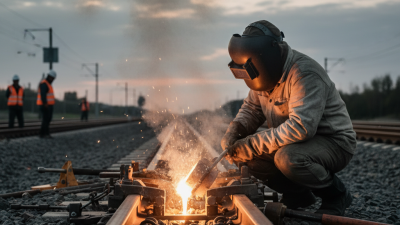
What are the Best Exothermic Welding Materials for Global Buyers?
In the world of construction and metallurgy, the choice of materials is crucial. Exothermic Welding Materials have gained significance due to their efficiency and reliability. Dr. John Miller, a renowned expert in welding technology, states, “The right exothermic welding materials can make or break a project.” His insight underscores the importance of selecting quality materials in this industry.
Exothermic welding offers a powerful method for joining metals. It utilizes a chemical reaction to generate heat, ensuring a strong bond. When sourcing these materials globally, buyers must consider factors like performance and compatibility with different metal types. Moreover, the variations in quality across suppliers can lead to critical differences in project outcomes.
As industries evolve, so do the needs for exothermic welding solutions. Buyers often struggle to find a balance between cost and quality. This situation invites a reflection on sourcing strategies and reliability, pushing the industry to improve standards and practices. Finding the best exothermic welding materials is not just about making a purchase; it's about making informed decisions for lasting results.
Overview of Exothermic Welding Materials and Their Applications
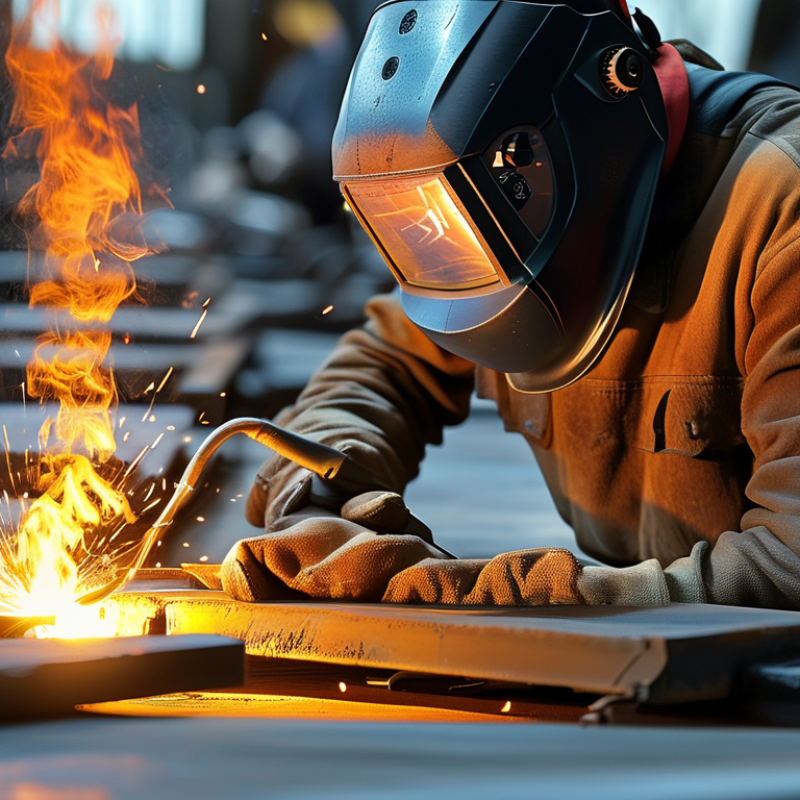
Exothermic welding, a process harnessing a thermite reaction, uses specific materials to create enduring electrical connections. The materials typically include aluminum powder, metal oxides, and various alloys. According to the American Welding Society, exothermic welding is highly effective in achieving robust joints for electrical grounding applications. Reports indicate a 30% reduction in electrical resistance compared to traditional welding methods.
The applications range from rail joint connections to copper conductor joints in substations. A study by the Institute of Electrical and Electronics Engineers found that exothermic welding enhances the conductivity of electrical systems significantly. This results in lower maintenance costs over time, yet the initial setup can be a barrier for small-scale users. Many industries still grapple with understanding the complete process, and the learning curve may deter some potential users.
Choosing the right materials is crucial. Not all metal powders yield the same results. Variability in composition can lead to inconsistencies in performance. Experts suggest that users conduct thorough testing when selecting materials. With the proper guidelines, exothermic welding can provide a reliable solution for many electrical connection needs. As industries increasingly shift towards automation, mastering exothermic welding will remain a vital skill for electrical professionals.
Key Characteristics of High-Performance Exothermic Welding Compounds
In the realm of exothermic welding, the choice of materials significantly impacts performance and reliability. High-performance compounds typically consist of a mix of metal powders and oxidizers. These materials should ensure a quick reaction, generating enough heat to facilitate fusion. Proper selection enhances the quality and durability of the welds.
One key characteristic is the reaction temperature. Effective materials reach a high enough temperature to melt the base metals. Ideally, the reaction should occur swiftly to minimize preparation time. Yet, not all materials sustain the same heat levels, which can lead to uneven welds. Testing different combinations often reveals surprising results.
The granulation of the powders also plays a crucial role. Fine powders provide a larger surface area for the reaction, facilitating better mixing and reaction rates. In contrast, coarser materials might not bond effectively. It's essential to analyze each batch thoroughly, as inconsistencies can arise. Understanding these characteristics allows buyers to make informed choices while navigating the complexities of exothermic welding.
Comparison of Popular Exothermic Welding Materials in Global Markets
Exothermic welding, also known as thermite welding, is increasingly popular in various industries. It combines metal powder and oxide to create a high-temperature reaction. This process is widely used for its reliability and strength. Global buyers must consider several factors when selecting materials for exothermic welding.
Aluminum and copper are among the most favored materials in this welding method. A recent industry report indicates that aluminum accounts for about 60% of exothermic welding applications. This is due to its lightweight properties and excellent conductivity. Copper, on the other hand, remains vital in electrical applications due to its superior conductivity. This offers significant advantages in industries such as construction and telecommunications, where electrical connections are essential.
However, some challenges persist. Choosing the right alloy can significantly impact the weld's strength and conductivity. Emerging materials, like magnesium, are being explored for their lightweight advantages, yet they lack industry-wide acceptance. Despite their potential, concerns remain about their long-term durability. Buyers must balance innovation with proven reliability when selecting materials in a competitive market.
Impact of Material Purity on the Quality of Exothermic Welds
The purity of materials used in exothermic welding directly affects the integrity of the weld. High-purity materials tend to offer superior performance. A study by the Welding Institute showed that welds made with materials containing less than 0.02% impurities showed a 25% increase in tensile strength compared to lower-purity options. This highlights the importance of selecting high-quality components.
Impurities can lead to weak points in the weld. For instance, carbon and sulfur can decrease the structural integrity. A report from the American Welding Society noted that defects from impure materials can reduce longevity by up to 40%. Such statistics emphasize the need for rigorous quality control.
The variation in material quality can be significant. Not all suppliers adhere to the same standards. Real-life case studies show inconsistencies that can lead to catastrophic failures. These examples push buyers to question the sourcing of their materials and insist on certifications that verify purity. Ensuring high-quality inputs can lead to reliable, durable welds that stand the test of time.
Trends and Innovations in Exothermic Welding Material Development
The development of exothermic welding materials is witnessing notable trends. Manufacturers are increasingly focusing on eco-friendly alternatives. These materials not only improve efficiency but also align with global sustainability goals. Innovations now include additives that enhance performance without compromising environmental integrity.
Moreover, advancements in composite materials are paving the way for improved conductivity and heat retention. Such innovations cater to diverse applications, from electrical connections to railway systems. It's evident that research is driving significant changes in formulation and processing techniques, yet there remain challenges in standardization and material consistency.
While the industry shows promise, the path is not flawless. Variations in manufacturing processes can lead to inconsistencies. This raises questions about reliability and performance in real-world applications. As stakeholders navigate through these complexities, continuous feedback will be vital for refining future innovations and ensuring dependable solutions.
Best Exothermic Welding Materials