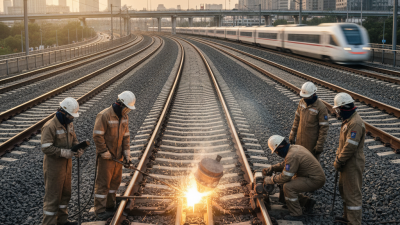
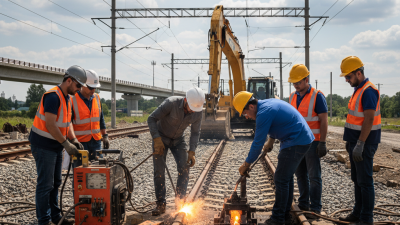
How to Master the Rail Welding Process for Better Quality?
The rail welding process is crucial for ensuring the structural integrity of railway tracks. David Henderson, a leading expert in rail engineering, once stated, "Quality in rail welding is not just an option; it's a necessity for safety." This statement highlights the essential nature of mastering welding techniques in the rail industry.
Achieving high-quality welds requires a deep understanding of various factors. The materials, techniques, and environmental conditions all play significant roles. Even seasoned professionals find that consistency in quality can be elusive. Small errors in the welding process can lead to costly repairs or even safety hazards.
The rail welding process demands precision and attention to detail. Understanding how to manage heat input, control the welding environment, and choose appropriate filler materials is vital. Effective training and continuous improvement can bridge the gap between good and exceptional welds. Thus, mastering this process is a journey, not just a destination.
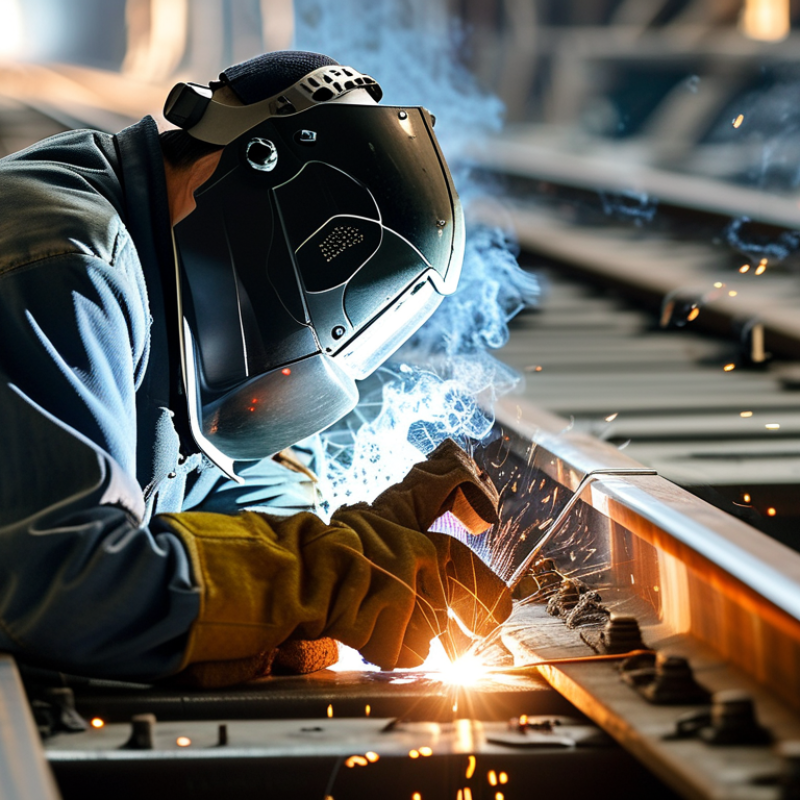
Essential Principles of Rail Welding for Improved Quality
Rail welding is critical for ensuring the longevity and safety of railway infrastructure. The essential principles of rail welding focus on achieving strong and durable joints. According to the American Railway Engineering and Maintenance-of-Way Association (AREMA), improper welding can reduce rail life by up to 50%. Understanding these principles is vital for anyone involved in the process.
Material preparation plays a crucial role in achieving quality welds. Rails must be clean and free of contaminants. Even slight surface imperfections can lead to significant problems. The welding process should be closely monitored. Parameters such as temperature and pressure greatly affect the joint's integrity. Regular training and up-to-date knowledge on techniques are necessary for welders.
**Tip:** Always conduct preliminary tests on welds. This practice identifies potential weaknesses before they become problematic.
In addition, weld inspection is essential. Non-destructive testing methods allow for thorough analysis without damaging the rail. Corner cases require special attention. Despite rigorous protocols, mistakes can happen. Continual reflection on previous projects helps improve future outcomes.
**Tip:** Document every welding procedure and outcome. This documentation aids in consistent quality improvement.
Understanding Different Rail Welding Methods and Techniques
Rail welding is crucial for ensuring the longevity and stability of railway infrastructure. Understanding the various rail welding methods is essential for achieving high-quality welds. There are several techniques, each with distinct advantages. Common methods include thermit welding, flash butt welding, and electric arc welding. Each method requires specific equipment and skill.
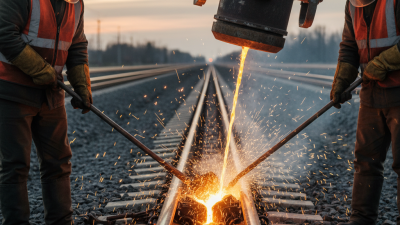
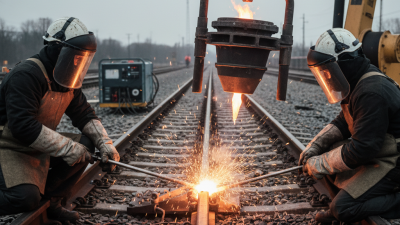
In thermit welding, a chemical reaction produces molten metal to join rails. This method requires precision and experience, as improper handling can lead to defects. Flash butt welding, on the other hand, uses heat generated by electric current to fuse rail ends together. It is efficient but demands strict adherence to guidelines to avoid warping. Electric arc welding, while versatile, necessitates a deep understanding of metal properties to prevent brittle welds.
Practitioners often face challenges during the welding process. Inconsistent temperature control can lead to weak joints. Environmental conditions, like wind or rain, also impact the process. Continuous training and practice are vital for mastering these techniques. Reflecting on past projects helps welders recognize mistakes and improve their craft. Mastery comes with experience, but diligence is crucial for quality results.
Step-by-Step Preparation for Optimal Rail Welding
Effective rail welding begins with meticulous preparation. Identifying the right materials is essential. Use high-quality rail steel to ensure durability. These materials should meet industry standards for performance. Inspect the rails for defects before starting. This initial examination saves time and resources later.
Setting up the welding equipment requires attention. Ensure the welding machine is calibrated correctly. An improperly set machine can lead to weak joints. Cleaning the surfaces is equally crucial. Remove rust, paint, and debris. This step prevents contamination and ensures a solid bond during welding.
Safety measures should not be overlooked. Gear up with appropriate protective equipment. Welders should wear helmets, gloves, and protective clothing. This reduces the risk of injuries. Continuous monitoring of the welding process is necessary. Look out for irregularities. Adjust techniques as needed to improve quality. Sometimes, the equipment may need recalibration mid-process. Emphasizing these steps can lead to better rail welding outcomes.
Rail Welding Quality Analysis
This chart represents key parameters in the rail welding process. The three dimensions analyzed include preparation time in hours, quality rating on a scale from 1 to 10, and inspection frequency per month. Monitoring these factors is crucial for achieving optimal welding quality.
Quality Control Measures in Rail Welding Processes
In rail welding processes, quality control measures are essential for ensuring strong and durable joints. Inspectors must focus on several key factors during the welding process. Proper temperature control is vital. Too high or low heat can cause defects. These issues lead to weakened welds and costly repairs.
Visual inspections are critical. Inspectors should examine welds for cracks, irregularities, and proper bead appearance. Regularly using ultrasonic testing can detect internal flaws that are not visible to the eye.
Tips: Always maintain good communication between operators and quality control teams. Ensure everyone understands the standards and expectations.
Documentation is another important aspect of quality control. Keep detailed records of welding parameters and inspections. This data helps identify trends and potential problems early. Addressing small issues can prevent larger failures down the line.
Tips: Consider training welders in the latest techniques and technologies. Continuous education boosts confidence and skills in the workforce.
By emphasizing these quality control measures, rail welding can significantly improve its reliability and performance. Investing time in these practices leads to higher quality outcomes.
Common Challenges in Rail Welding and Solutions for Mastery
Rail welding is a crucial process that ensures the safety and durability of railways. However, numerous challenges can arise during this process. One common issue is inconsistent heat input, leading to defective welds. This can cause mismatched rail profiles and increase the risk of rail failures. To overcome this, experienced welders emphasize the importance of monitoring the temperature closely throughout the welding process. Utilizing thermal imaging tools can provide a more accurate reading of heat distribution.
Another challenge is contamination of the weld area. Dirt, rust, or moisture can lead to brittle welds. Effective cleaning methods are vital. High-pressure air can help remove debris before welding. Additionally, using protective coverings can shield the weld from environmental elements. This attention to detail enhances the overall quality of the weld.
Inadequate training can also compromise weld integrity. It’s essential to invest in proper training programs for welders. Hands-on practice and simulations can prepare them for real-life scenarios. Reflection on past projects allows welders to identify their mistakes and learn from them. A culture of continual improvement and feedback helps to elevate the welding process, resulting in safer and higher-quality tracks.