Top 10 Aluminothermic Welding Rail Techniques and Benefits?
Aluminothermic Welding Rail is a crucial technique in modern rail infrastructure. It ensures strong and durable joints, which improve overall safety and efficiency. According to industry expert Dr. James Matthews, "Aluminothermic welding is the backbone of stable railway systems." His insights highlight the importance of this method in enhancing rail connectivity.
The benefits of Aluminothermic Welding Rail extend beyond strength. This technique is cost-effective, reducing maintenance in the long run. It can also be performed in various weather conditions, making it versatile. However, the execution requires skilled personnel. Poor execution may compromise joint integrity, leading to potential hazards.
Despite its advantages, challenges exist. Technological advancements continually reshape the landscape of welding techniques. Staying updated is essential for safety and effectiveness. Aluminothermic Welding Rail must evolve to meet industry demands. Continuous learning is vital, as stagnation can lead to resilience issues in rail systems.
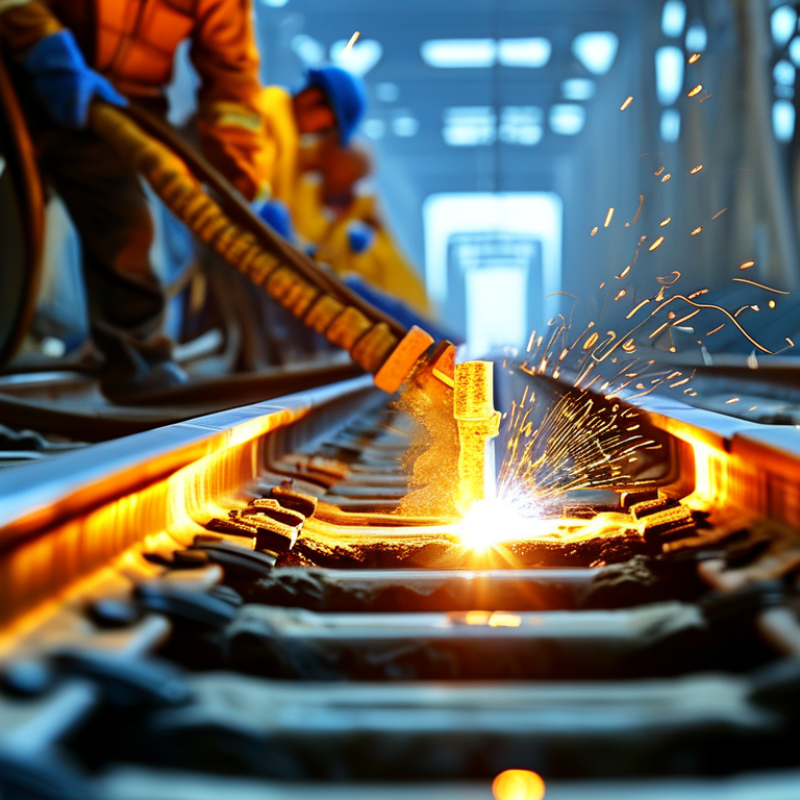
Overview of Aluminothermic Welding in Rail Applications
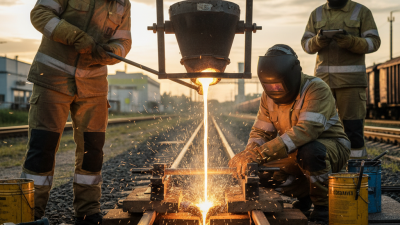
Aluminothermic welding is a widely used technique in rail applications, known for its efficiency. This method involves a chemical reaction between aluminum and iron oxide. The process produces molten iron for welding steel rails together. According to the International Union of Railways, around 70% of modern railways utilize this technique for track integrity and durability.
The benefits of aluminothermic welding are numerous. For instance, welds created through this method typically exceed the strength of the rail itself. Research by the Railway Safety and Standards Board indicates that these welds can withstand extreme loads and vibrations, which is essential for maintaining safety in high-speed train operations. Moreover, the process is portable, requiring minimal equipment, making it suitable for remote locations.
However, there are challenges associated with aluminothermic welding. Precise temperature control is crucial. If the reaction is not adequately managed, it can lead to defective welds. Additionally, ensuring the cleanliness of rail surfaces before welding impacts the quality significantly. It's essential to constantly evaluate techniques and practices to mitigate these issues. Continuous training for personnel is also necessary to uphold safety standards in this critical application.
Top 10 Aluminothermic Welding Rail Techniques and Benefits
| Technique |
Description |
Benefits |
| Vortex Method |
Utilizes a swirling motion to enhance metal mixing. |
Improved bond strength and reduced porosity. |
| Elimination of Oxide Film |
Removes oxide layers before welding. |
Better conductivity and stronger welds. |
| Controlled Heat Input |
Adjustments to heat during the welding process. |
Minimized thermal distortion. |
| Preheating Techniques |
Heating elements before welding. |
Increased weld quality in cold conditions. |
| Post-Weld Heat Treatment |
Heating the weld area post-weld. |
Enhanced mechanical properties of the weld. |
| Robotic Welding |
Automation of the welding process. |
Increased precision and reduced human error. |
| Use of Flux |
Application of flux to protect weld area. |
Improved weld cleanliness and integrity. |
| Intermittent Welding |
Spot welding in intervals. |
Reduced heat input and distortion. |
| Quality Control Techniques |
Implementing checks at various stages of welding. |
Increased overall weld quality and reliability. |
Key Techniques in Aluminothermic Rail Welding Process
Aluminothermic rail welding is a vital technique in rail construction. This process involves using aluminum to produce molten steel, which fuses rail joints. The procedure offers several key benefits that enhance rail infrastructure. One significant advantage is the strong, reliable welds it creates. These joints can withstand heavy loads and harsh weather conditions.
Another important technique is preheating the rails. This method reduces thermal shock, preventing fractures during the welding process. Adequate preparation can enhance weld quality. Additionally, controlling the cooling rate post-welding ensures a strong connection. Inspecting the weld afterward is essential, though it often gets overlooked. This can lead to potential issues in long-term rail performance.
Safety measures in the aluminothermic process cannot be ignored. Operators must wear protective gear to avoid burns or inhalation hazards. Proper training is critical, yet sometimes insufficient. Inadequate training can lead to improper techniques, jeopardizing project outcomes. Continuous improvement and learning are necessary for mastering this skill.
Advantages of Aluminothermic Welding Over Other Methods
Aluminothermic welding is a specialized process for joining railway tracks. This method offers several advantages over conventional welding techniques. One major benefit is the exceptional strength of the welds. Aluminothermic welds can withstand significant stresses and heavy loads commonly found in rail transport. This durability is essential for maintaining safe and reliable railways.
Another benefit is the simplicity of the process. Aluminothermic welding doesn't require costly equipment or extensive training. The procedure can be conducted in the field, making it highly adaptable. It requires less preparation and allows for quick repairs, which is invaluable in maintaining rail efficiency.
Tips for successful aluminothermic welding include ensuring proper surface preparation. Clean surfaces lead to stronger welds. Always verify the temperature during the welding process. The right temperature is crucial for achieving optimal bonding. Consider using protective gear. Safety should be a priority in every welding operation.
In terms of reliability, aluminothermic welding is often preferred for its resistance to fatigue and cracking. Unlike some other methods, it doesn’t require post-weld inspections every time. This aspect contributes to lower maintenance costs and longer intervals between necessary repairs. Nevertheless, keep in mind that practice is required to master the technique, as inconsistent methods can lead to weak joints.
Safety Considerations in Aluminothermic Rail Welding
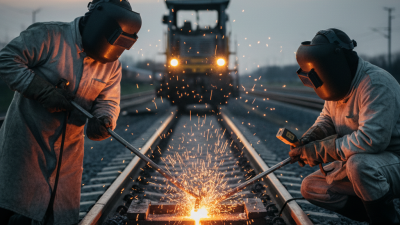
Safety is paramount in aluminothermic rail welding. Operators must be extensively trained. Proper training reduces the risk of accidents. This method involves molten metal, which can create hazardous conditions. Protective gear is essential. Welders should wear fire-resistant clothing, gloves, and face shields.
Vigilance is crucial. Surrounding areas must be monitored for flammable materials. Any combustible items should be removed prior to the welding process. Ensuring adequate ventilation is necessary. Fumes from the process can be harmful. Respiratory protection should be considered based on site conditions.
Another aspect is equipment inspection. Prior to beginning, all tools should be checked thoroughly. Faulty equipment can lead to unexpected failures and deviations. Regular maintenance schedules can help. Having a safety protocol in place is vital. Workers must understand emergency procedures. This awareness can prevent accidents from escalating.
Top 10 Aluminothermic Welding Techniques and Benefits
Future Innovations in Aluminothermic Welding Technology
Aluminothermic welding has evolved significantly, with innovations shaping its future. Advanced materials are now being tested to enhance the strength and durability of welds. These materials include composite alloys that can withstand extreme temperatures and stresses. The incorporation of new technologies is not just about materials. Tools used in the process are also developing. There’s potential for automated systems to improve precision. Automation could reduce human error and increase efficiency in rail applications.
Furthermore, sustainability is becoming a key focus. Future techniques may emphasize eco-friendly practices in aluminothermic welding. This involves recycling materials and minimizing waste during the welding process. While these advancements are promising, challenges remain. The transition to new methods must consider training for current technicians. Adaptation can be slow, and some may resist change. As innovations unfold, the industry must address these hurdles openly. Each step forward requires a balance between efficiency and the expertise needed to maintain quality.