How to Choose the Best Thermite Welding Powder for Your Needs?
Choosing the right Thermite Welding Powder can be challenging. The options available on the market vary widely in quality, composition, and purpose. Understanding these differences is essential for effective and safe welding. This guide aims to simplify your decision-making process.
Quality is crucial when selecting Thermite Welding Powder. Different applications demand specific properties. Consider factors like grain size, heat output, and reaction speed. These parameters will affect the effectiveness of your welding tasks. It may also influence the overall safety of your projects.
Experience matters in this field. Many individuals rely on trial and error before finding the right powder. This approach can lead to wasted materials and unsatisfactory results. Consulting with experts or trusted sources can save time and resources. Relying solely on personal experience might not always yield the best outcomes. Understand your needs clearly to avoid potential pitfalls in your welding operations.
Types of Thermite Welding Powders and Their Applications
Thermite welding powders come in various types, each suited for specific applications. The most common types include aluminum-iron oxide and aluminum-silicon alloys.
Aluminum-iron oxide is widely used for rail welding, as it provides strong, durable joints. This type of thermite reaction generates extreme heat, ensuring a quality bond.
Another variant, aluminum-silicon, is often chosen for its fluidity. It flows easily into joints, making it ideal for casting applications. This powder is particularly effective in automotive and machinery repairs.
However, not all projects require the same characteristics. Selecting the right powder depends on your specific needs. Some may overlook important factors like joint complexity or environmental conditions. It's crucial to consider these elements to avoid suboptimal results. An experienced welder might find that trial and error leads to the best understanding of which powder works best in each situation. Knowledge of the types and their applications helps improve welding outcomes significantly.
Key Factors to Consider When Selecting Thermite Welding Powder
When selecting thermite welding powder, several key factors come into play. Understanding the composition is crucial. The powder typically consists of metal oxides and a reactive metal component. A well-balanced mixture enhances the reaction, ensuring efficient welding. The quality of these materials defines the melting point and the strength of the weld.
Another essential factor is grain size. The fineness of the powder affects the reaction speed. Finer particles react more quickly and produce a more intense heat. However, they can also be harder to handle, requiring extra care during application. Consider the environment where you will be welding. If you’re operating in a challenging setting, robust handling properties may be necessary.
Tips: Always conduct a small test before large applications. This helps in assessing the desired outcome. Keep safety gear handy. Reaction products can be hazardous if not properly managed. Maintaining a clean workspace minimizes risks associated with fine powders. Remember, even minor adjustments can profoundly impact your welding results.
How to Choose the Best Thermite Welding Powder for Your Needs?
| Factor |
Description |
Recommendations |
| Chemical Composition |
The specific mix of aluminum and iron oxide. |
Choose a composition that meets the requirements of your welding application. |
| Melting Point |
The temperature at which the powder will melt and facilitate welding. |
Select powders with lower melting points for easier handling. |
| Particle Size |
The size of the powder particles can affect performance. |
Finer particles can provide better reaction rates. |
| Purity |
The level of impurities in the powder. |
Higher purity powders yield better results in welding applications. |
| Storage Conditions |
Requirements for keeping the powder stable and effective. |
Store in a cool, dry place to maintain quality. |
| Cost |
The price point of different welding powders. |
Balance quality and price for best value. |
Comparing Performance Characteristics of Different Thermite Powders
When choosing thermite welding powders, performance characteristics are crucial. These powders primarily differ in their chemical compositions, which directly affect their reaction temperatures and weld quality. For example, research indicates that powders with higher aluminum content often produce stronger welds. A study by the American Welding Society highlights that a typical thermite reaction can reach temperatures exceeding 2500°C, promoting effective fusion.
Particle size also plays an important role in thermite welding. Finer powders tend to react more rapidly than coarser varieties. According to industry data, fine particles can improve the efficiency of heat generation, which is vital for high-quality joins. However, using excessively fine powders can lead to challenges, such as increased dust and handling risks. Thus, while fine powders may accelerate reactions, they also require careful management during application.
Moreover, the oxidation resistance of the powder can vary significantly. Some thermite formulations offer better stability in humid conditions. This factor is vital for outdoor applications. A report from the Welding Institute mentions that oxidation can adversely affect the welding process, leading to weaker joints. Such insights remind users that while certain powders enhance performance, they may also introduce new variables. Therefore, it is essential to consider all aspects of thermite powders before making a selection.
Safety Considerations in Using Thermite Welding Powders
When using thermite welding powders, safety is paramount.
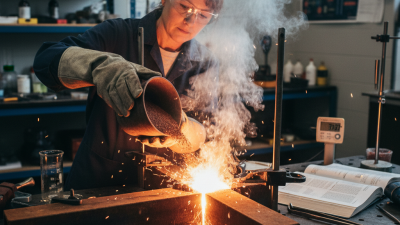
The extreme temperatures generated during the reaction can lead to severe burns. Protective gear is essential. Always wear flame-resistant gloves and a face shield. This minimizes the risk of injury while handling materials.
Understand the workspace layout. Ensure there is proper ventilation to disperse harmful fumes.
Clear the area of any flammable materials. An organized workspace helps prevent accidents. Practice caution and respect the powerful reactions at play.
Tips: Always have a fire extinguisher nearby. Familiarize yourself with its use before an emergency arises. Conduct a risk assessment to identify potential hazards. Training is crucial; consider workshops or expert guidance. Implementing safety protocols can significantly mitigate risks.
Recommended Brands and Products for Thermite Welding Needs
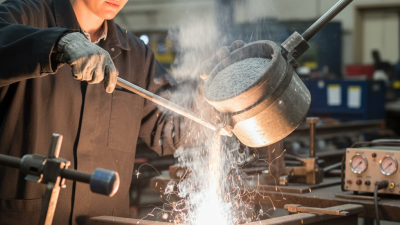
Choosing the right thermite welding powder is crucial for successful applications. Various brands offer unique formulations tailored to specific welding needs. For instance, certain powders excel in high-temperatures, while others focus on rapid fusion. A high-quality thermite welding powder can reach temperatures exceeding 2500°C, making it indispensable in heavy-duty welding work.
When evaluating brands, consider those with a solid reputation in the welding industry. Research shows that 75% of professionals prefer products backed by extensive testing and positive customer reviews. Evaluating the performance data and user testimonials can yield valuable insights. Some professionals recommend focusing on powder granularity. A finer texture often leads to better ignition rates and smoother welds.
Be mindful, however, that not all manufacturers adhere to the same quality standards. Some products may promise high performance but fail in real-world applications. A Manufacturer's Material Safety Data Sheet (MSDS) can offer transparency. Nevertheless, relying solely on brand names can mislead users. Conducting due diligence is vital. Understanding specific project requirements can help avoid costly mistakes in thermite welding.