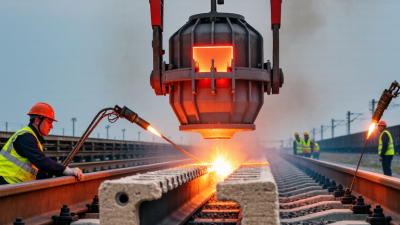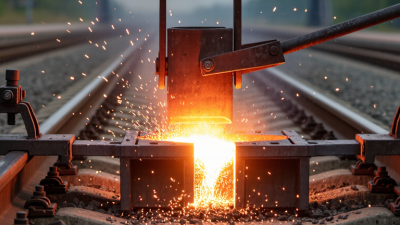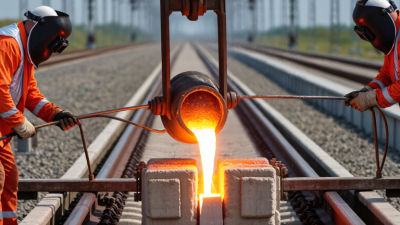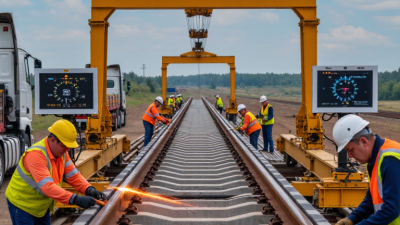
Choosing a Rail Thermite Welding supplier in China is not just a price comparison. Rail operators and contractors need consistent weld quality, traceable consumables, suitable equipment, and support that remains available at the worksite. A weak match can cause rework, inspection delays, or costly disruption beside a live track. Small details matter. Buyers should ask how suppliers control batch quality, train technicians, maintain welding kits, and document each stage, from rail-end preparation to post-weld inspection. Request current technical records and project references, then confirm that the stated process suits the rail type and operating environment. Sales claims are only a starting point.
This article introduces notable Rail Thermite Welding suppliers in China and explains how to compare them using practical signals: manufacturing capability, product range, quality systems, export experience, technical guidance, and responsiveness after delivery. A large catalog alone proves little. A supplier may excel in consumables but offer limited field training, while another may provide useful support yet have fewer international references. That distinction matters. The “top” choice depends on route conditions, procurement requirements, and the buyer’s own maintenance capacity. Public information can also be incomplete or change over time, so readers should verify certifications, references, and service terms directly before making a decision. This is not always convenient, but it is safer than choosing from rankings alone.
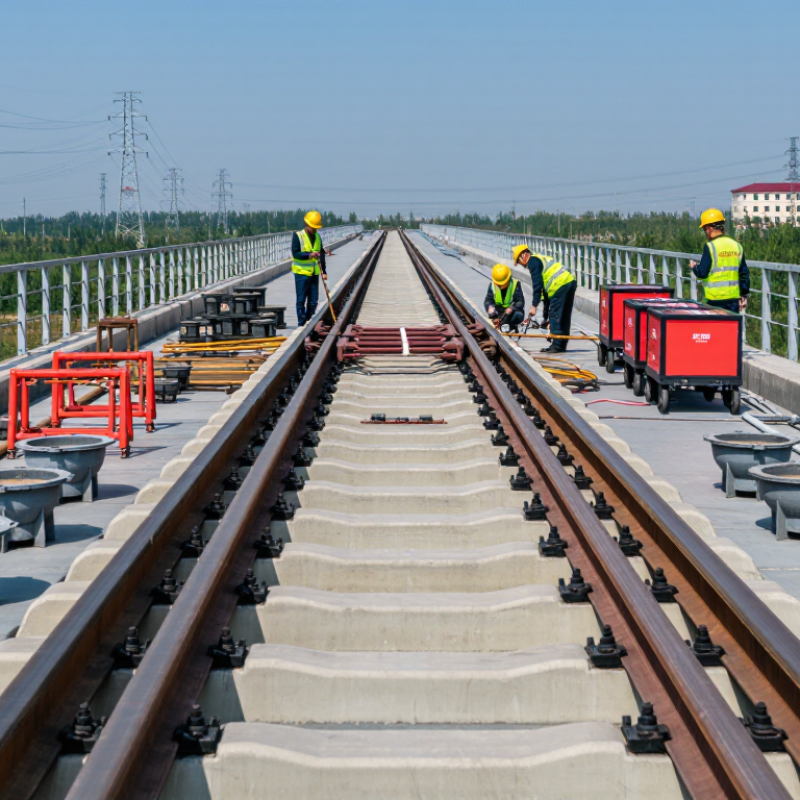
In China, rail thermite welding suppliers typically provide more than welding powder. Their packages may include measured thermite portions, refractory crucibles, rail-profile molds, sealing sand, ignition tools, and preheating equipment. Some suppliers also support rail preparation, joint alignment, on-site welding, and operator training. The exact scope matters: consumables alone cannot correct poor rail-end cutting or an uneven gap.
China’s National Railway Administration reported 159,000 kilometres of railway in operation, including 45,000 kilometres of high-speed railway, in its 2023 Statistical Bulletin on Railway Industry Development. This network scale helps explain demand for dependable welding materials and field support. Buyers should check whether a supplier documents batch traceability, approved welding procedures, equipment calibration, and joint inspection records. Ask for sample certificates and clear acceptance criteria, not just a product catalogue.
On site, crews need molds that match the rail profile, stable preheating, and careful timing. Small errors matter. A supplier may offer technical guidance, but the railway operator still needs competent welders and independent quality checks. Verify which tests are included, such as visual inspection and rail-joint geometry checks, before contracting. A complete package sounds reassuring; it is not a substitute for disciplined work.
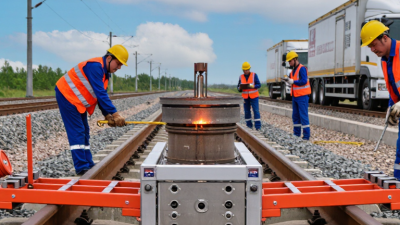
When comparing rail thermite welding suppliers in China, examine their procedures, records, and technical support—not just quoted prices. Ask for the welding procedure used for your rail type and joint conditions. Check whether operators receive documented training and whether measuring tools and preheating equipment have current calibration records. Ask how the supplier controls rail-end alignment, mould fit, and the specified heating cycle. Small variations matter.
Request traceability for welding portions and other consumables, including batch details and storage guidance. Review sample inspection records and clarify which checks are available, such as visual inspection or ultrasonic testing where the project requires it. Ask for references from comparable track projects, then confirm the supplier’s role and scope. A polished brochure is not proof. One limitation: paperwork can look complete while field support remains unclear, so discuss response times and troubleshooting arrangements directly.
Tips: Share your rail profile, expected output, and site conditions before requesting a quotation. Ask what happens when rain, wind, or temperature changes affect the work. Compare answers carefully. Vague replies deserve follow-up. A short technical call can reveal gaps that a price sheet will not.
Leading Rail Thermite Welding Suppliers in China
China’s leading rail thermite welding suppliers are judged by more than production capacity. Reliable suppliers can explain their welding process, material controls, and inspection records in clear terms. Ask how each batch of thermite portions is identified and stored. Details matter. A damp package or poorly matched mold can disrupt work on site. Suppliers should also provide suitable molds, crucibles, ignition materials, and practical technical guidance for the rail type and working conditions.
Before choosing a supplier, review sample documentation and ask how weld quality is checked after cooling. Useful evidence may include inspection procedures, traceability records, and clear instructions for handling and installation. Ask about training, response times, and support when field conditions differ from the plan. A polished catalogue is not enough. Site experience is harder to assess, so request specific examples without relying on broad promises. Compare delivery consistency and technical communication as carefully as price. Even a capable supplier may not fit every project; rail profile, climate, crew skill, and inspection requirements all affect the result.
Supplier categories and comparison criteria for sourcing rail thermite welding products and services in China. Entries are not company rankings or claims about specific suppliers.
| Supplier Category | Typical Supply Scope | Common Application | Key Selection Checks | Documents to Request |
|---|---|---|---|---|
| Rail welding consumables manufacturers | Thermite welding portions, crucibles, moulds, and related consumables, depending on the supplier’s product range. | Joining rail ends during new track construction, renewal, or repair. | Compatibility with the rail section and steel grade; stated process procedure; batch traceability; packaging and storage requirements. | Product specifications, batch inspection records, storage instructions, and applicable process qualification or acceptance evidence. |
| Rail welding equipment suppliers | Rail clamps, alignment tools, preheating equipment, cutting and finishing tools, and other site equipment. | Preparation, alignment, execution, and finishing of field welds. | Suitability for the intended rail profile and worksite; operating instructions; maintenance support; availability of replacement parts. | Equipment specifications, user and maintenance manuals, inspection records where applicable, and warranty terms. |
| Rail welding contractors and service providers | On-site welding crews, procedure execution, weld finishing, and coordination of inspection activities. | Track construction, maintenance, and renewal projects requiring field welding. | Relevant project experience; worker qualifications; documented procedures; quality-control arrangements; site safety planning. | Personnel qualifications, method statements, inspection and test plans, sample project records, and safety documentation. |
| Integrated rail welding solution providers | A combination of consumables, equipment, technical support, and—in some cases—field services. | Projects seeking coordinated procurement and technical support across multiple welding work stages. | Clear division of responsibilities; compatibility among supplied items; response time; scope and limits of technical support. | Itemized scope, technical submittals, quality documents, service terms, and project-specific acceptance requirements. |
Before purchase, confirm that the proposed welding process and materials meet the project owner’s specifications and applicable railway requirements. Standards and acceptance criteria can vary by railway system, rail grade, and project.
China’s rail thermite welding suppliers vary in product range, technical support, and experience with different rail profiles. Compare more than the advertised kit. Check whether the package includes crucibles, moulds, preheating equipment, and consumables suited to your rail type and site conditions. Details matter. A mould that fits poorly can affect weld shape and create extra finishing work.
Service is just as important as equipment. Ask suppliers for clear welding procedures, operator training, inspection guidance, and practical response times for replacement parts. Relevant project records can show experience with track maintenance, new construction, or challenging weather. Still, years in business alone prove little. One detail is easy to overlook: a supplier may have strong products but limited support in your working region. Request references and review sample documentation before making a comparison. No supplier is automatically the best fit for every project.
Tips: Compare technical specifications line by line. Ask how consumables are stored and replaced. Check training materials for clear temperature, timing, and inspection steps. If answers stay vague, pause and investigate further.
Common rail profiles relevant to thermite welding, compared by nominal mass per metre.
Profile mass is a standard rail specification, not a supplier rating. Confirm that a supplier’s welding consumables and procedures are qualified for the rail profile used on your project.
Choosing a rail thermite welding supplier requires evidence from production and trackside work, not a polished brochure. The National Railway Administration’s 2023 railway statistics reported about 159,000 km of operating railway in China, including 45,000 km of high-speed lines. That scale makes consistent weld quality and traceability practical selection criteria. Ask for recent project records matching your rail profile, joint type, climate, and traffic conditions. Paperwork is not proof.
Review welding procedures and personnel qualifications against the project specification. EN 14730-1 and EN 14730-2 address approval of aluminothermic welding processes and qualification of welders. Request batch records for welding portions, moulds, preheating, and repairs, alongside independent inspection or test reports. Ask what defects occurred and how corrective actions were verified. Ask for evidence. A site demonstration can show whether crews control alignment, rail gap, preheating, and finishing under actual conditions. Compare delivery capacity, technical support, and warranty terms in writing. A successful demonstration cannot guarantee long-term performance, so request references and follow-up inspection data from comparable lines. If client files are confidential, redacted records are more useful than unsupported claims.